- This increase is driven by growing consumer awareness of celiac disease and other gluten-related conditions, along with the demand for healthier lifestyles.
- However, as demand rises, food and beverage manufacturers face challenges in quality control and testing.
1. The challenges in producing gluten-free food
Producing gluten-free food requires meticulous attention to every stage of the production process, from sourcing the raw materials to labeling the finished product.
- Sourcing gluten-free raw materials: ensuring the raw materials are not contaminated with gluten during transport, storage, and processing.
- Preventing cross-contamination: avoiding contact with gluten during transport, storage, and processing is extremely important.
- Accurate labeling: maintaining accurate labeling to prevent misleading information for consumers.
- Addressing these challenges plays an important role in consumer safety and in gaining certification.
2. Integrated Gluten management: a comprehensive solution for Gluten testing
- To support manufacturers in addressing these complexities, R-Biopharm (Germany) offers the integrated gluten management solution, combining test kits for every analysis step.
* The integrated gluten management solution
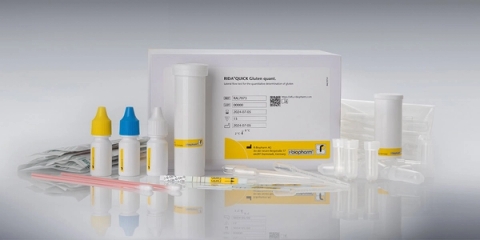
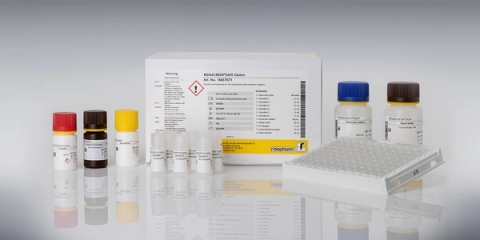
- Testing the raw materials: using gluten tests based on the rapid test format, for example the RIDA®QUICK Gluten quant, manufacturers can rapidly evaluate and quantify the presence of gluten in raw materials. RIDASCREEN®EASY Gluten.
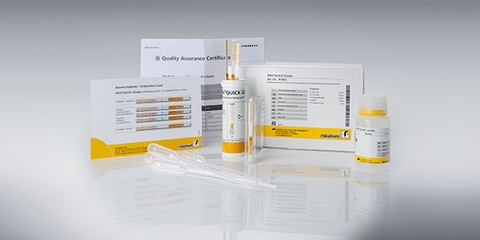
- Monitoring the process: regularly checking production surfaces and equipment is essential to prevent cross-contamination. The test kit RIDA®QUICK Gliadin allows rapid detection of gluten residues on surfaces, ensuring hygiene procedures are effective.-
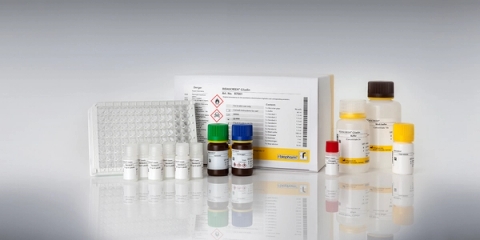
Testing finished products: RIDASCREEN® Gliadin ELISA allows accurately quantifying gluten, even in processed foods. This is essential to ensure the product meets gluten-free standards before it reaches the consumer.- Data management:
integrating test results into a centralized system such as RIDA® Universe allows tracking and tracing every relevant parameter at the same time. 3. The benefits of implementing R-Biopharm's Integrated Gluten management-
Raising product safety:
regular testing at critical control points helps minimize the risk of gluten contamination, protecting consumers.- Regulatory compliance:
accurate monitoring ensures compliance with global gluten-free labeling standards, such as the EU regulation of 20 ppm.- Meeting industry standards:
gluten-free certification by organizations such as the Meeting industry standards: Gluten-Free Certification Organization (GFCO) or the Association of European Coeliac Societies Association of European Coeliac Societies (AOECS) lays down specific requirements for the analytical methods used to ensure quality.
- Consumer trust: demonstrating a strict gluten management commitment will foster brand loyalty among consumers with special dietary needs.
As the gluten-free food production market keeps expanding, manufacturers must proactively apply comprehensive quality control solutions.
For more information about Integrated Gluten management and to explore the gluten test kit suitable for your needs, please see R-Biopharm's Integrated Gluten management. of R-Biopharm.