1. What are yeasts and moulds
Yeasts and moulds are microorganisms belonging to the fungi group, often present in the natural environment and able to grow on food under unsuitable storage conditions.
- Yeasts are unicellular fungi that reproduce rapidly, often causing fermentation, a sour smell, or foaming of the product.
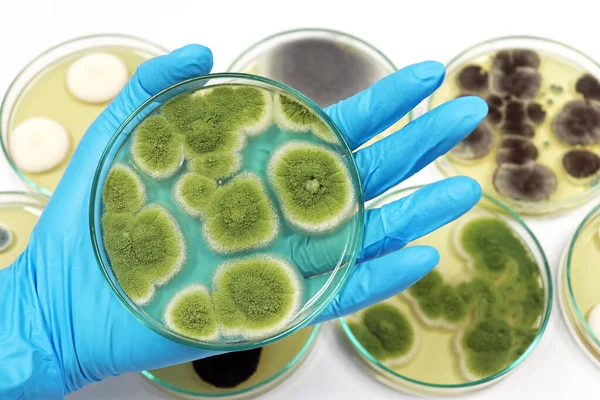
- Moulds are multicellular fungi that grow into a network of hyphae, can produce spores and are often seen as green, black, white or orange patches on the food surface.
- Although some species of yeasts and moulds are beneficially used in the food industry (wine fermentation, cheese, soy sauce...), many other species are food spoilage agents and produce mycotoxins that are harmful to health.
2. Harm of yeasts and moulds in food
- Reduce food quality (taste, colour, texture...).
- Cause food poisoning or chronic disease due to toxin intake (such as aflatoxin, ochratoxin A, patulin...).
- Affect consumer health, especially for groups with weak immune systems, children and the elderly.
- Some toxins produced by moulds have been warned about by the World Health Organization (WHO) and the Food and Agriculture Organization (FAO) as having the potential to cause cancer, damage the liver and kidneys, and suppress immunity.
3. Regulations on yeast and mould limits in food
Yeast and mould limits in food are regulated to ensure food hygiene safety. Depending on the type of food, the permitted limits may differ. Some representative regulations:
✅ According to QCVN 8-3:2012/BYT of the Vietnamese Ministry of Health

✅ According to Codex Alimentarius (FAO/WHO)
- Codex sets out recommendations or specific limits for each product, paying particular attention to mycotoxins rather than the total mould count, for example:
- Aflatoxin in cereals: maximum 10-20 µg/kg.
- Patulin in apple juice: maximum 50 µg/kg.
4. Methods for testing yeasts and moulds in food
Some popular methods:
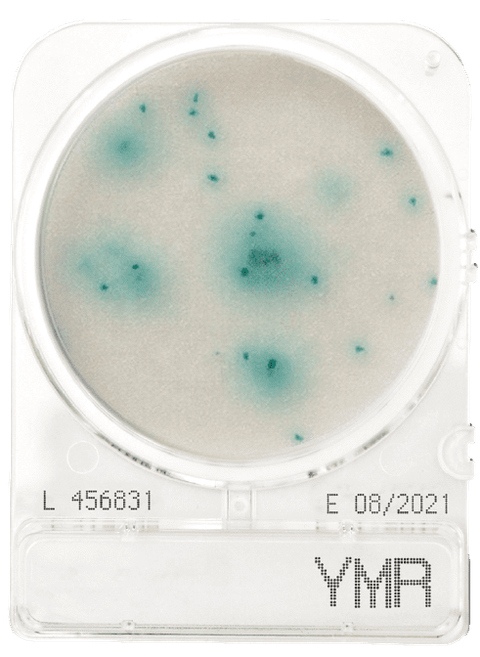
- Plate count (plate count method): Use selective media such as Potato Dextrose Agar (PDA), Sabouraud Dextrose Agar (SDA), or freeze-dried plates Compact Dry YMR to count colonies after 48h of incubation.
- PCR: Rapid identification of mould strains capable of producing toxins.
- Chromatography (HPLC, LC-MS): Quantitative analysis of mould toxins in food.
5. Control and prevention measures
- Control humidity: store food at low humidity (< 65%) to prevent mould growth.
- Sanitise the production line: packaging, warehouses are cleaned thoroughly.
- Use moisture-proof packaging and control cold storage temperature.
- Apply HACPP in production to monitor points at risk of mould growth.
- Periodic testing with rapid tests or sending samples for analysis at an accredited laboratory.
Yeasts and moulds are not only important microbiological indicators in food quality monitoring but also a latent threat to community health. Compliance with legal limits, application of appropriate testing methods and effective control measures are prerequisites to ensuring food safety and protecting consumers.