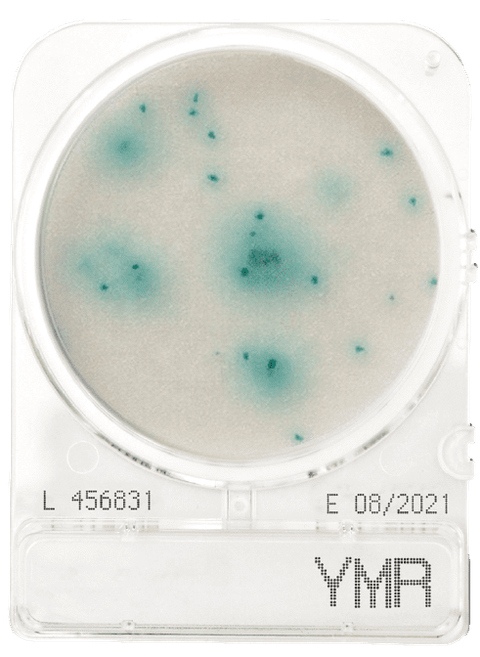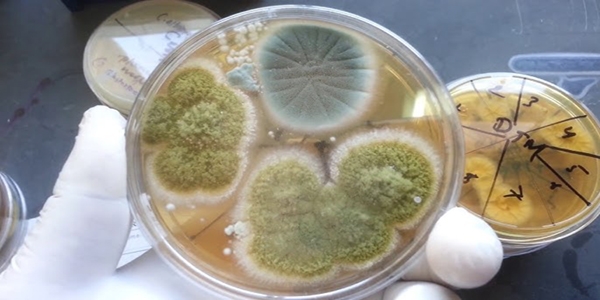
This medium is designed to create the optimal conditions for the growth of yeast and mold species used in research, food, and medicine.
1. The importance of yeast and mold culture media
Yeasts and molds are microorganisms of the fungal kingdom, playing an important role in many fields, both beneficial and harmful.
– Isolation and identification: determining the yeast and mold species present in the research sample, for example in food testing or clinical analysis.
– Physiological and biochemical research: understanding clearly the growth, development, and biochemical properties of each species.
– Product quality control: in the food and pharmaceutical industries, yeast and mold culture media are used to check whether products are contaminated or not.
2. The composition of yeast and mold culture media
The culture medium is designed to provide all the nutrients necessary for yeast and mold development.
– Carbon source: Glucose or maltose sugar is often used to supply energy for microbial growth.
– Nitrogen source: Peptone, yeast extract, or other organic nitrogen sources such as casamino acids.
– Minerals: Phosphates, sulfates, and ions such as Mg²⁺ and Fe²⁺ needed for metabolic processes.
– Suitable pH: Media for molds and yeasts usually have a pH from 4.0 to 6.5, depending on the species' requirements.
– Antibacterial agents (Antibiotics): Sometimes added to prevent the growth of unwanted bacteria.
3. Factors affecting the culture medium
The factors below directly affect the development and growth of yeasts and molds in the culture process.
– Temperature: Yeasts and molds can grow at different temperatures, usually ranging from 20 to 30 degrees Celsius.
– Humidity: A moist environment is the ideal condition for mold growth. High humidity helps maintain the stability of the medium.
– pH: The pH of the medium greatly affects the growth of yeasts and molds. Molds usually prefer an acidic environment.
– Incubation Time: Depending on the microbial species and the experiment's goal, the incubation time can range from several days to several weeks.
4. Common types of yeast and mold culture media
Below are some common media for yeasts and molds:
– Potato Dextrose Agar (PDA) medium: One of the most popular media, containing potato starch and glucose, providing good nutrition for molds and yeasts.
– Sabouraud Dextrose Agar (SDA) medium: A medium especially good for culturing pathogenic fungi, widely used in medical and pharmaceutical practice.
– Malt Extract Agar (MEA) medium: Provides the carbon and nutrients necessary for yeast and mold species, especially useful for molds.
– Yeast Malt Agar (YMA) medium: Another nutrient-rich medium, often used for culturing yeasts thanks to its high malt content.
– The Compact Dry YMR Yeast and Mold Rapid plate is a ready-to-use plate with a dried medium from Shimadzu Diagnostics of Japan, saving preparation time. here.

5. Applications of yeast and mold culture media
– In the Food Industry: Helps check product quality and detect mold species capable of producing toxins.
– In Medicine: Isolating and identifying pathogenic fungal species, helping diagnose and treat fungal diseases.
– In Pharmaceuticals: Used to test the sterility of pharmaceutical products, thereby ensuring safety for users.
– In Molecular Biology: Culturing yeast and mold species to research genetics and apply therapeutics.
Yeast and mold culture media play an extremely important role in research and applications in various fields. Understanding the composition, properties, and culture conditions helps ensure the best results in experiments.