1. What is galactose?
Galactose is a monosaccharide in the carbohydrate group, with the chemical formula C₆H₁₂O₆. Galactose usually does not exist freely in nature but is mainly combined with glucose to form lactose – the sugar found abundantly in milk and dairy products. In addition, galactose is also present in fruits, some beans, and complex polysaccharides in food.
2. Which Foods Contain Galactose
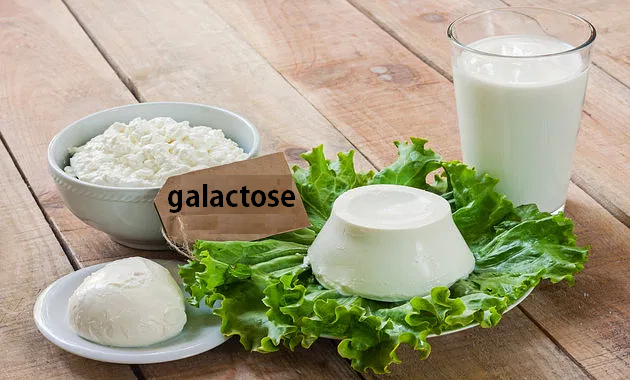
- Milk and dairy products (fresh milk, milk powder, cheese, yogurt): This is the richest source of galactose. Galactose appears when lactose is broken down. Lactose in milk, when hydrolysed, produces glucose and galactose.
- Grains and beans: contain galactose in a bound form within polysaccharides.
- Beans and grains: Galactose exists in the form of oligosaccharide (such as raffinose, stachyose). Some contain small amounts of galactose. Found abundantly in: soybeans, kidney beans, mung beans, chickpeas, lentils, sunflower seeds. This is also why some beans easily cause gas and are hard to digest, because oligosaccharides containing galactose are difficult to digest completely in the small intestine.
- Vegetables and fruits: some vegetables contain polysaccharides with a galactose component. Vegetables rich in galactose include: sugar beet, carrots, cabbage, broccoli. Fruits containing galactose (although the content is not high) include: apples, bananas, peaches, apricots.
- Processed foods: many processed foods contain galactose because they use milk, whey, or carbohydrate additives. For example: milk candy, infant formula, nutritional drinks, whey protein powder.
- Some seaweed products and natural gums: polysaccharides from seaweed (agar, carrageenan) and plant gums (guar gum, gum arabic) contain galactose structures. This is an indirect source of galactose present in many industrial food products.
3. Why Galactose in Food Needs to Be Analyzed
3.1. Dairy Product Quality Control
- Galactose is an important component for evaluating lactose breakdown in dairy products.
- Galactose content helps manufacturers check quality and food safety.
3.2. Supporting the diet of people with lactose intolerance
- People lacking the lactase enzyme cannot break down lactose, leading to bloating and indigestion.
- Analyzing galactose (together with glucose) in food helps determine the degree of lactose breakdown, from which to develop products “lactose-free”.
3.3. Especially important for Galactosemia patients
- Galactosemia is a rare genetic disease in which the body cannot convert galactose into glucose.
- If they eat foods containing a lot of galactose, patients may suffer liver and brain damage, and even have their lives threatened.
- Therefore, analyzing galactose in food is extremely important to build a safe diet for patients.
3.4. Applications in nutrition research and food technology
- Determining galactose content helps research on nutritional value and fermentation.
- Supporting the development of fermented dairy products, functional foods, and control of the milk sugar production process.
4. Methods for analyzing galactose in food
At present, some common methods for analyzing galactose include:
- High performance Liquid Chromatography (HPLC): gives accurate results for galactose content.
- Enzymatic method: uses specific enzymes to quantify galactose.
- Rapid test kits: convenient for food laboratories, helping test galactose in milk and dairy products.
5. Solution from R-Biopharm – Galactose analysis kit
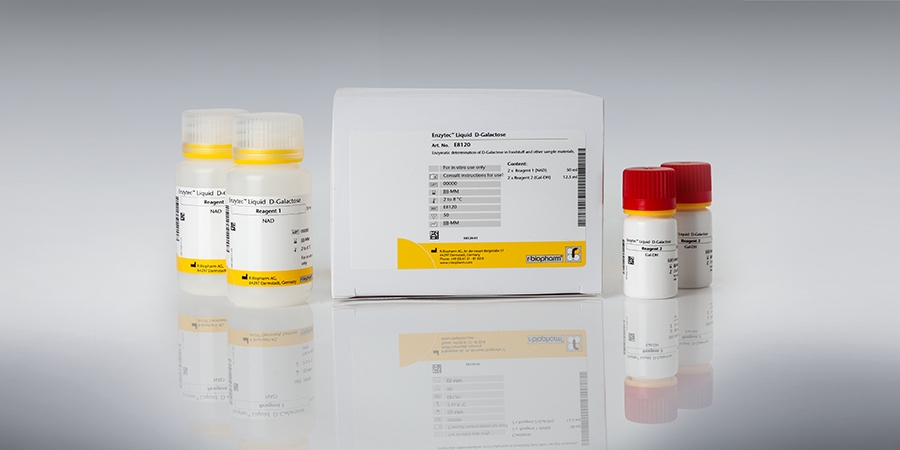
Company R-Biopharm (Germany) – the world's leading supplier in the field of food and pharmaceutical test kits – has developed the Enzytec™ Liquid D-Galactose E8120 galactose analysis kit using the enzymatic method.
🔹 Outstanding advantages
- High accuracy: uses an enzyme specific for galactose.
- Easy to use: a simple procedure that can be implemented immediately in a food testing laboratory.
- Flexible application: suitable for milk, dairy products, functional foods and many other raw materials.
- Meets international standards: recognized and widely used in testing laboratories around the world.
Galactose is present in many foods, most notably milk and dairy products, followed by beans, grains, vegetables, fruits and naturally derived food additives. Understanding which foods contain galactose is very important, especially for people with galactosemia or lactose intolerance, and is also useful in nutrition research and food production.
👉 See more information on the Galactose test kit for food | Enzytec™ Liquid D-Galactose E8120