Gluten is a group of proteins with two main components: Gliadin and Glutenin, found in some cereals such as wheat, barley, and rye. For most people, gluten causes no problem. However, for people who are sensitive or have celiac disease (gluten intolerance), consuming gluten can lead to a range of adverse health reactions.
1. Gluten and its role in food
Gluten is an important component that gives wheat flour the elasticity, extensibility, and characteristic texture in making bread, pastries, and pasta. When wheat flour is mixed with water, gluten develops and forms a protein network that traps gas, helping the dough rise and become more porous. This makes gluten the "backbone" of most wheat-flour products.
2. Signs of gluten allergy
- Wheat allergy (Wheat Allergy): an immune reaction to proteins in wheat, including gluten. Symptoms can include itching, hives, swelling of the lips and tongue, wheezing, or even anaphylactic shock in severe cases.
- Celiac disease (Celiac Disease): an autoimmune disorder in which the immune system attacks the small-intestinal lining when gluten is present, damaging the intestinal villi and leading to poor nutrient absorption, abdominal pain, diarrhea, weight loss, and many long-term complications.
- Non-celiac gluten sensitivity: people have uncomfortable digestive or neurological symptoms (abdominal pain, bloating, fatigue, headache) after consuming gluten, but there is no clear immune basis or small-intestinal damage as in celiac disease.
3. Why test gluten in wheat flour?
Determining the gluten content in wheat flour and wheat-based products is important for:
- People with celiac disease or gluten sensitivity, to make sure they do not consume more than the permitted gluten threshold (usually below 20 ppm - parts per million).
- Food manufacturers who need to comply with international standards for the "gluten-free" label, avoiding harm to consumers.
- Developing gluten-free substitute product lines requires controlling cross-contamination and running a strict production process.
4. Methods for testing gluten allergy
There are many analytical methods for checking gluten in raw materials and finished products, from simple rapid tests to complex laboratory techniques.
4.1. The ELISA method
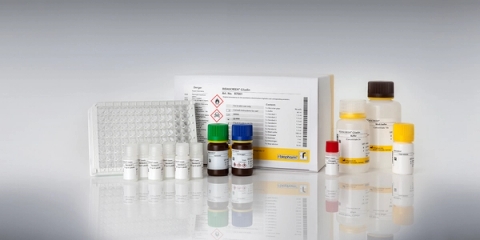
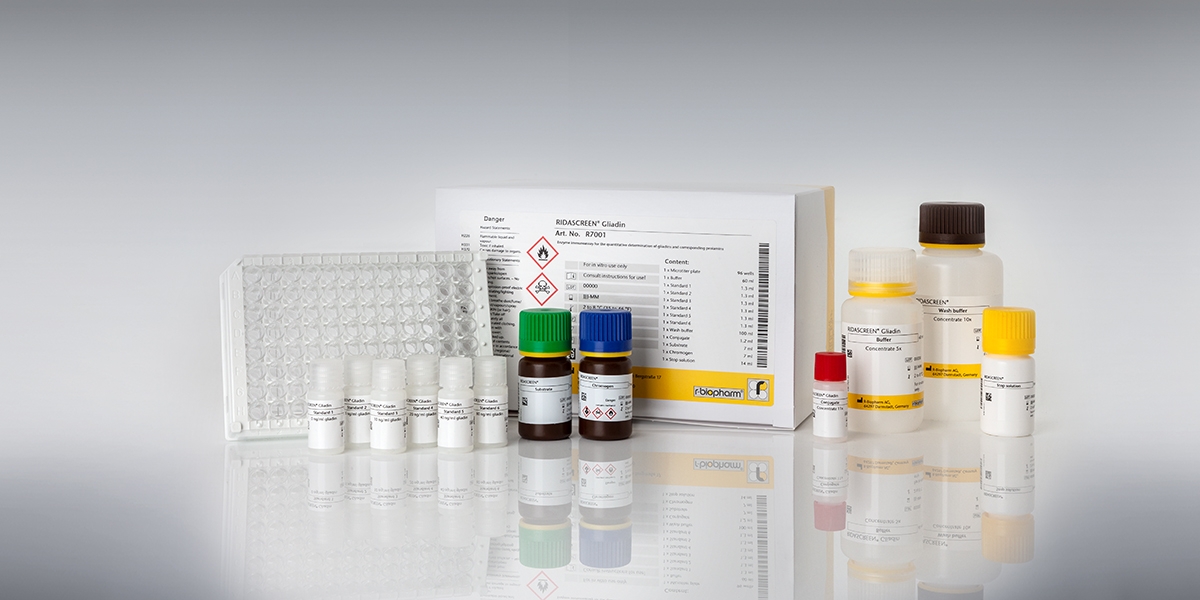
- Principle: ELISA (Enzyme-Linked Immunosorbent Assay) is an antibody-based analytical method. The antibody is designed to recognize a specific gluten protein (usually gliadin – a main component of gluten).
- Procedure: The flour sample is dissolved, then loaded into test wells with a specific antibody. If gluten is present, an antigen–antibody complex forms and is then detected by a color reaction.
- Advantages: High sensitivity and specificity, able to detect very low gluten levels (down to a few ppm).
- Disadvantages: Takes time to run, and requires equipment and trained technician skills.
- See the Gliadin ELISA test kit that we supply here.
4.2. The lateral flow rapid test strip method - LFD
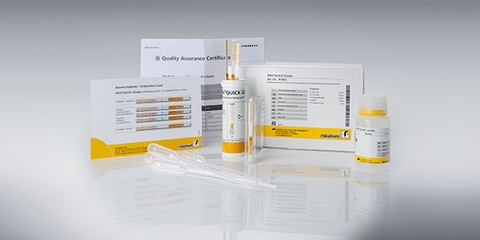
- Principle: Similar to a pregnancy test strip, an LFD uses antibodies mounted on a test strip to detect the presence of gluten.
- How to use: Grind the flour sample, mix it with buffer solution, and drop it onto the test strip. After a few minutes, a line appearing means gluten is present or above the threshold.
- Advantages: Fast, convenient, requires no complex equipment, and is easy to perform on-site.
- Disadvantages: Cannot quantify as precisely as ELISA; results are mainly qualitative or semi-quantitative.
- See the Gliadin rapid test kit that we supply here.

4.3. The Real-Time PCR method
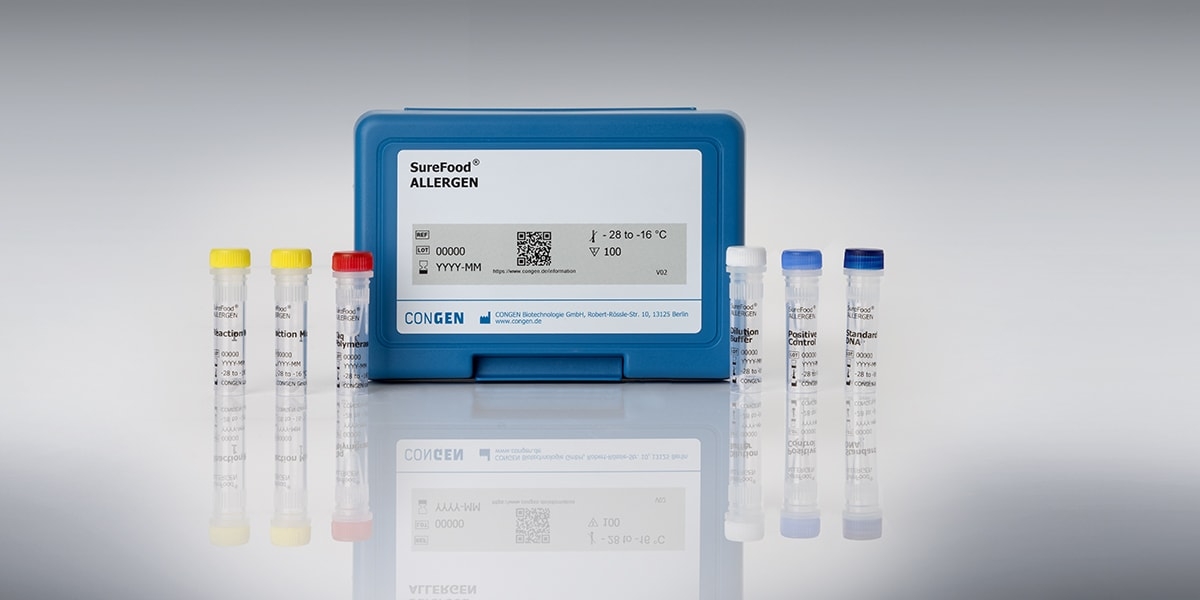
- Principle: Real-Time PCR does not detect gluten protein directly; it determines the presence of a characteristic gene segment in the wheat genome (or in cereals containing gluten). The technique uses primers and probes specific to the genes encoding gluten proteins, or genes found only in wheat.
- How to use: Extract DNA from the food sample with a dedicated kit or a standard laboratory method. Based on the Ct value and a standard curve established from samples with known wheat DNA concentrations, the wheat DNA content in the sample can be calculated. From that, the gluten content is inferred (although the DNA and gluten protein contents do differ, this still helps identify contamination or the presence of wheat in the product).
- Advantages: high sensitivity, high specificity, fast (usually within a few hours).
- Disadvantages: Real-Time PCR only infers from the DNA of the original ingredient. During processing, the gluten protein may remain or be lost, but the ingredient's DNA survives. This can lead to cases where wheat DNA is detected but the gluten protein has already been modified or greatly reduced. It requires expensive equipment and chemicals, and skilled staff.
- See the Gliadin Real Time PCR test kit that we supply here.
5. International standards and regulations
The World Health Organization (WHO) and the food standards body (Codex Alimentarius) have set gluten limits for deciding whether a product meets the "gluten-free" standard. Many countries set the threshold below 20 ppm gluten in the product for a "gluten-free" label.
6. Gluten control in production
Food businesses need to build a strict quality control process:
- Choose raw materials that meet the standards.
- Separate dedicated areas inside the factory to avoid gluten cross-contamination.
- Use rapid tests regularly to check raw materials and products.
- Check periodically with ELISA or Real Time PCR methods to ensure reliability.
Wheat flour gluten allergy and celiac disease are serious health problems for a group of consumers. Understanding gluten, the mechanism of allergy, and applying gluten testing methods from simple to complex play an essential role in food safety management. This not only reassures consumers, but also supports businesses in raising the reputation and product quality of their production facilities.