
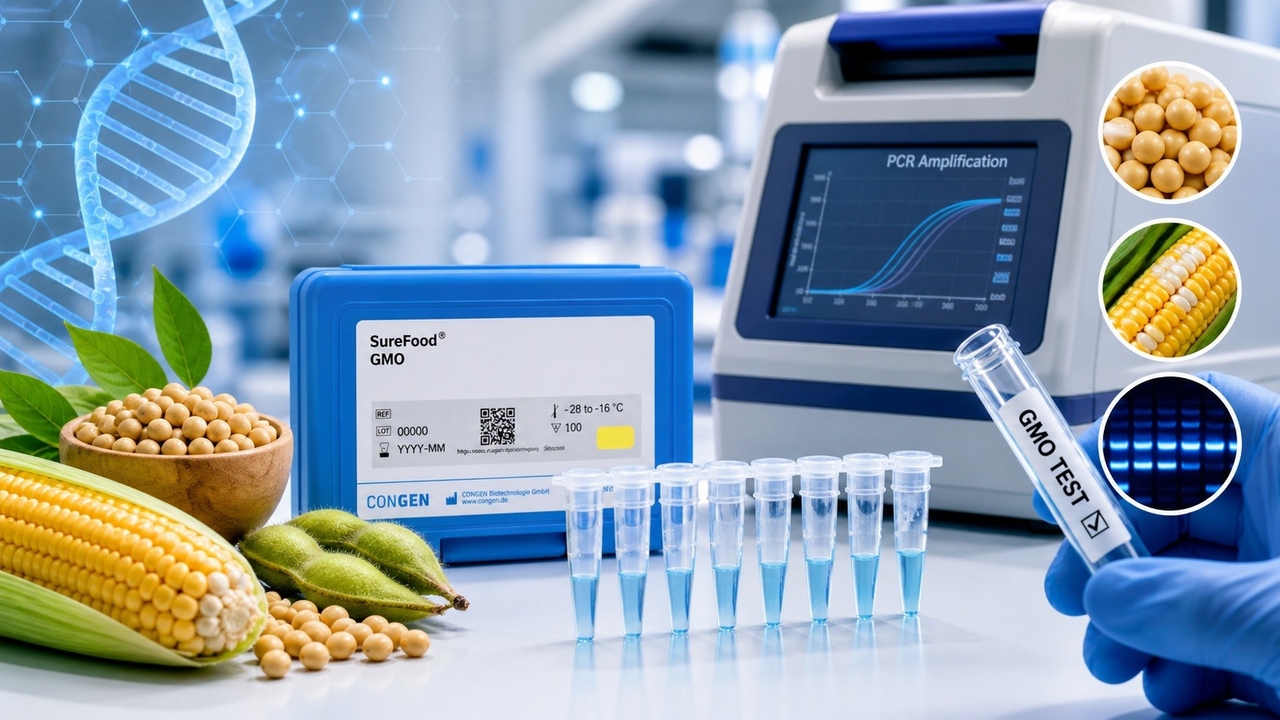
Common examples:
- Herbicide-tolerant genetically modified soybeans
- Pest-resistant GMO maize (corn)
- Genetically modified canola
👉 These modifications help to:
- Raise yields
- Cut production costs
- Improve environmental resilience
Benefits and risks of genetically modified food
* Benefits of GMOs
- Higher agricultural output
- Less pesticide used
- A stable source of raw materials
- Lower prices
* Hidden risks
- Concerns about consumer health
- Effects on biodiversity
- Negative reactions from export markets
- Demands for transparent labeling
👉 That is why many countries have tightened GMO controls in food.
GMO regulations in Vietnam and internationally
* In Vietnam
- GMO foods must be licensed
- Labeling is required above the regulated threshold
- Controlled by the Ministry of Agriculture and the Ministry of Health
* In the EU
- Extremely strict GMO limits (0.9%)
- Clear labeling is mandatory
- Strict checks at import
* In the USA
- More flexible, but transparency is still required
- Its own control system is in place
👉 Exporters need to pay special attention, because the EU is the strictest market on GMOs.
Why do businesses need to test for GMO in food?
1. Avoid the risk of rejected shipments
Many businesses have faced:
- Consignments turned away
- Product recalls
- Damage to brand reputation
👉 The main cause: not testing for GMO before export
2. Meet international standards
Markets such as the EU, Japan, and South Korea require:
- Clear testing documentation
- GMO analysis results
👉 Without them → customs clearance is refused
3. Control the quality of incoming raw materials
GMOs commonly appear in:
- Soybeans
- Maize
- Animal feed
👉 Testing helps to:
- Classify raw materials
- Guarantee products meet their standards
4. Protect the company's brand
Consumers increasingly care about:
- Non-GMO
- Organic
- Clean products
👉 If GMO is found outside of control:
- Customers lose trust
- Long-term damage to the brand
Common GMO testing methods today
1. Rapid GMO tests
- Fast (5–15 minutes)
- Easy to use
- Suited to screening
👉 Disadvantage: accuracy is not as high as PCR
2. The PCR method (Polymerase Chain Reaction)
This is the gold-standard method for GMO testing:
- Detects genetically modified DNA
- High sensitivity and accuracy
- Internationally recognized (ISO, AOAC)
👉 In particular, R-Biopharm PCR kits help to:
- Analyze quickly
- Be easy to work with in a QC room
- Deliver reliable results
Conclusion
- GMOs are an inevitable trend in modern agriculture, but they come with extremely strict control requirements from markets and consumers.
👉 For businesses:
- GMO testing is no longer an option
- It is a mandatory requirement for survival and growth
👉 Applying the PCR method together with solutions from R-Biopharm helps to:
- Assure regulatory compliance
- Reduce export risks
- Strengthen brand reputation