1. What is E. coli?
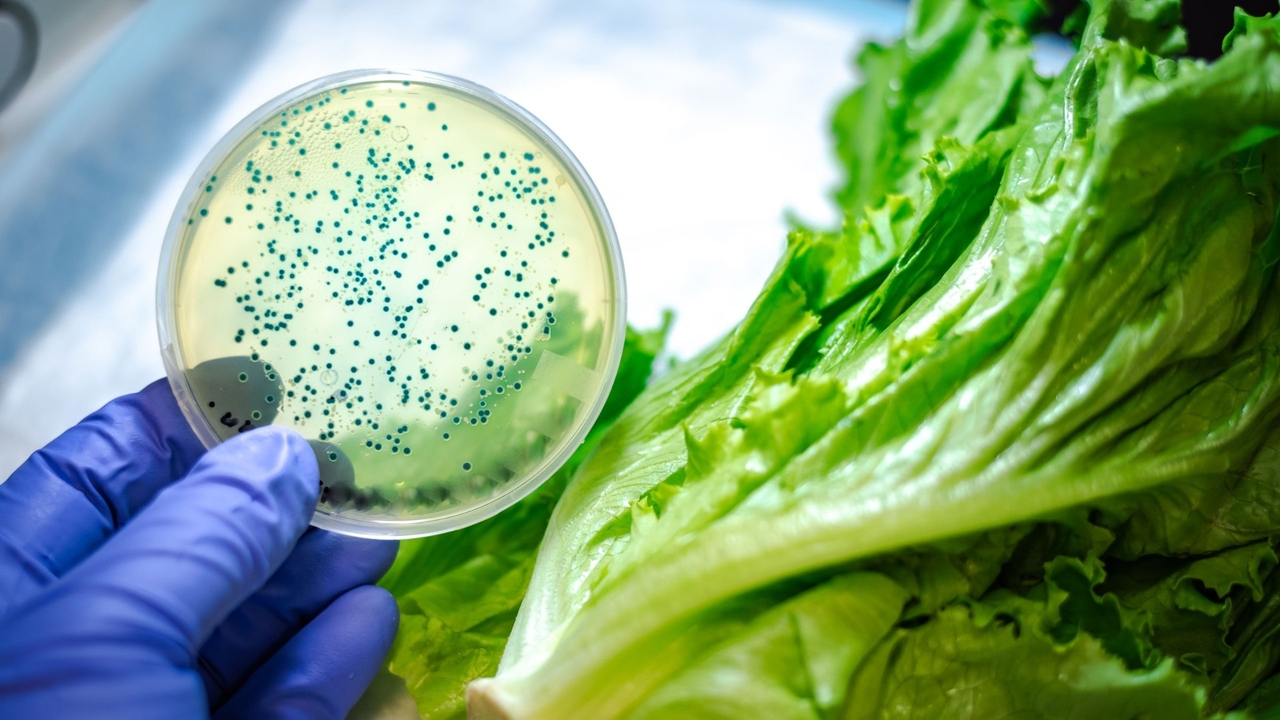
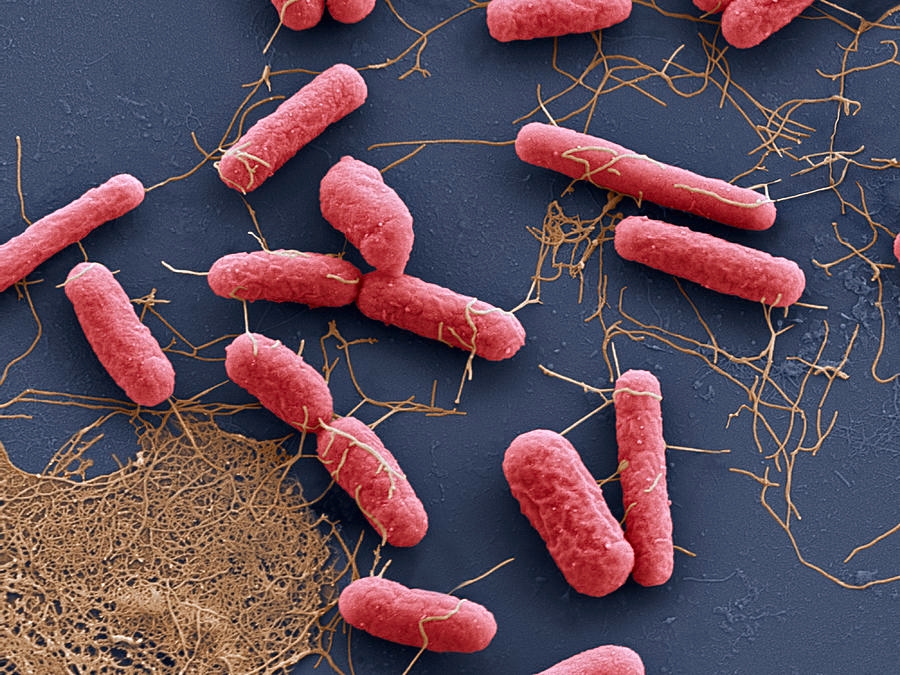
- Escherichia coli (the bacterium E. coli) is a group of bacteria that normally lives in the intestines (digestive tract) of healthy people and animals. The type living in your digestive tract usually does you no harm — it even helps you digest food.
- But in certain circumstances, many strains (types) of E. coli can make you ill. Many infectious strains can adhere (stick) to your cells and release toxins.
2. What diseases does E. coli cause?
- An E. coli infection is any illness you get from strains of the E. coli bacterium. For example, there are harmful strains of E. coli that cause diarrhoea, stomach pain and other digestive symptoms (gastroenteritis) if you accidentally consume them. They are sometimes called diarrhoeagenic E. coli, and they are usually what people mean when they talk about an E. coli infection.
- But the E. coli bacteria that normally live in your gut can also get into places they should not (such as your urinary tract). This causes an E. coli infection there.
- Many strains of E. coli cause mild infections. But some strains, such as Shiga toxin-producing strains, can cause serious illness, including kidney damage.
2.1. Types of infections caused by E. coli
The common types of bacterial E. coli infection include infections of the digestive tract and urinary tract (UTI). Other types of E. coli infections include:
- Bloodstream infections.
- Prostatitis (prostate infection).
- Pelvic inflammatory disease (PID).
- Gallbladder infection (cholecystitis).
- Wound infections.
- Pneumonia (rare).
- Meningitis (rare).
2.2. How common are E. coli infections?
There are about 265,000 cases of E. coli Shiga toxin-producing (STEC) infections each year in the United States. STEC is the most common cause of E. coli outbreaks and severe illness from E. coli in the United States
3. What are the symptoms of E. coli infection?
- The symptoms of gastroenteritis caused by the E. coli bacterium are described as follows:
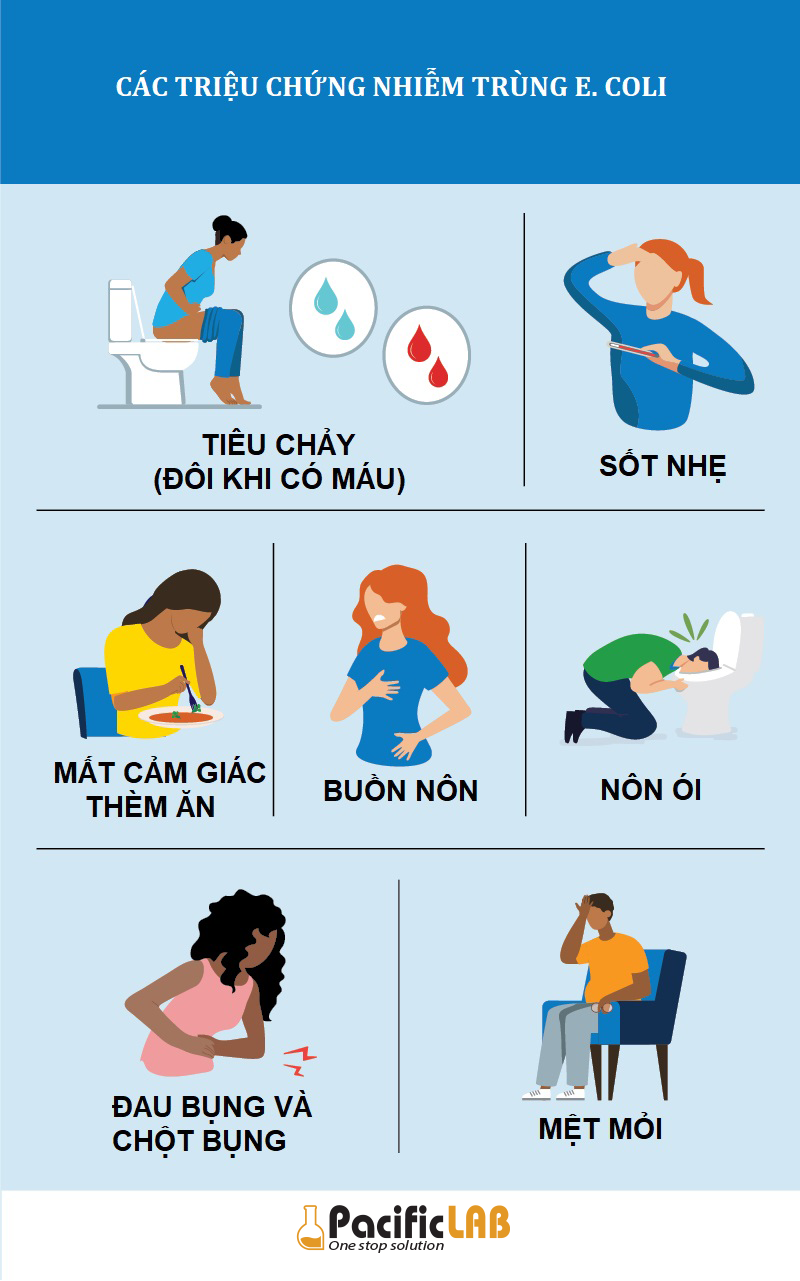
- Watery diarrhoea is usually the first symptom of an E. coli infection in the digestive tract. You may also have different symptoms depending on where in the body the infection is.
- Symptoms of E. coli in the urinary tract: if E. coli bacteria get into part of your urinary tract, you may have abdominal or pelvic pain. Pain or a burning feeling when urinating. A frequent urgent need to urinate. Cloudy, foul-smelling urine.
- So how long does E. coli last? You usually develop worsening symptoms of STEC infection within three to five days after drinking or eating food contaminated with this E. coli . Other strains can make you ill within hours. Sometimes symptoms begin within 10 days of exposure.
4. What causes E. coli infection?
Many strains of E. coli can cause diarrhoeal infections in your digestive tract. Most cause similar symptoms, such as watery diarrhoea, but some are more serious than others. Scientists classify them by how they attach to your cells and the types of toxins they release.
The types of diarrhoeagenic E. coli include:
- Shiga toxin-producing E. coli (STEC).
- Enterotoxigenic E. coli (ETEC).
- Enteropathogenic E. coli (EPEC).
- Enteroaggregative E. coli (EAEC).
- Enteroinvasive E. coli (EIEC).
- Diffusely adherent E. coli (DAEC).
- Other notable types of E. coli include E. coli that causes urinary tract disease (UPEC), which can cause urinary tract infections, and E. coli K1, which can cause meningitis in newborns.
5. Which contamination sources do E. coli infections come from?
- Eating contaminated food: including undercooked meat and unwashed raw fruit and vegetables.
- Drinking unpasteurised drinks: including milk, apple cider or juice (and foods made from them, such as cheese or ice cream).
- Drinking contaminated water (or getting water in your mouth): E. coli in animal and human faeces can contaminate natural water sources (such as lakes, streams and rivers), pools and untreated drinking water.
- Touching faeces or contaminated surfaces: you may get faeces on your hands when changing nappies, wiping after a bowel movement, touching animals at a zoo or farm, or sharing objects or surfaces with someone infected with E. coli . You can swallow E. coli when it moves from your hands to your mouth.
- Not wiping properly after using the toilet: this can move E. coli bacteria from your faeces to your urinary tract, causing a UTI.
- Newborns are sometimes infected with E. coli during birth.
6. Is E. coli contagious?
Yes, E. coli can be contagious (spread from person to person). Although you cannot catch it through sneezing or coughing, you can catch it by caring for someone infected with E. coli, especially when you come into contact with their faeces. You can also catch it from objects, surfaces or food that a person infected with E. coli has touched if they did not wash their hands thoroughly enough.
7. Who is at risk of E. coli?
Anyone exposed to a disease-causing strain of E. coli can become infected. Those at highest risk include:
- Babies and young children.
- People over 65.
- People with a weakened immune system (for example, people with HIV or cancer, or those taking immunosuppressive medicines).
- People with diabetes.
- People with ulcerative colitis.
8. What are the complications of an E. coli infection?
E. coli sometimes causes life-threatening complications, including:
- Haemolytic uraemic syndrome (HUS).
- Sepsis, a severe reaction to infection in the blood.
- Malnutrition or stunted growth. Children with chronic diarrhoea may not absorb the nutrients they need to grow.
9. Foods contaminated with E. coli
- Raw meat: When meat is processed, bacteria from animal intestines can sometimes get into the meat. This happens more with minced meat because it comes from more than one animal or through processing equipment.
- Unpasteurised milk: You drink milk that has not been pasteurised, not heated to kill bacteria. E. coli can get into milk from the cow's udder or from milking equipment.
- Vegetables and fruit: Fresh vegetables or fruit contaminated with the bacterium. This happens most often when faeces from nearby animals mix with a water source.
- Other foods and drinks: You can also get E. coli from untreated juice, yoghurt and cheese made from raw milk.
- Water: You swallow water containing E. coli, perhaps while swimming in a pool, lake or pond.
- Person to person: You can get E. coli from other people, such as children. If you bathe after someone has an infection and then do not wash your hands thoroughly before touching your mouth, the germs can be passed to you.
- Animals: It can be found at petting zoos or animal exhibits at fairs.
10. How is E. coli tested in food?
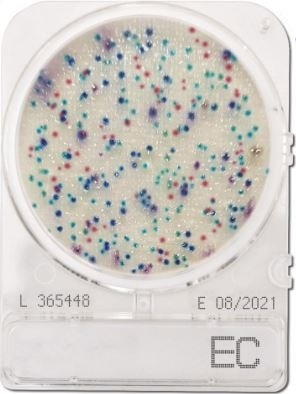
Thai Binh Duong Company is pleased to offer a medium plate solution for rapid E. coli testing in food. We would like to introduce the ready-poured freeze-dried agar "Compact Dry" plates from the renowned Japanese company Shimadzu Diagnostics. This solution brings convenience and saves cost and time for users.
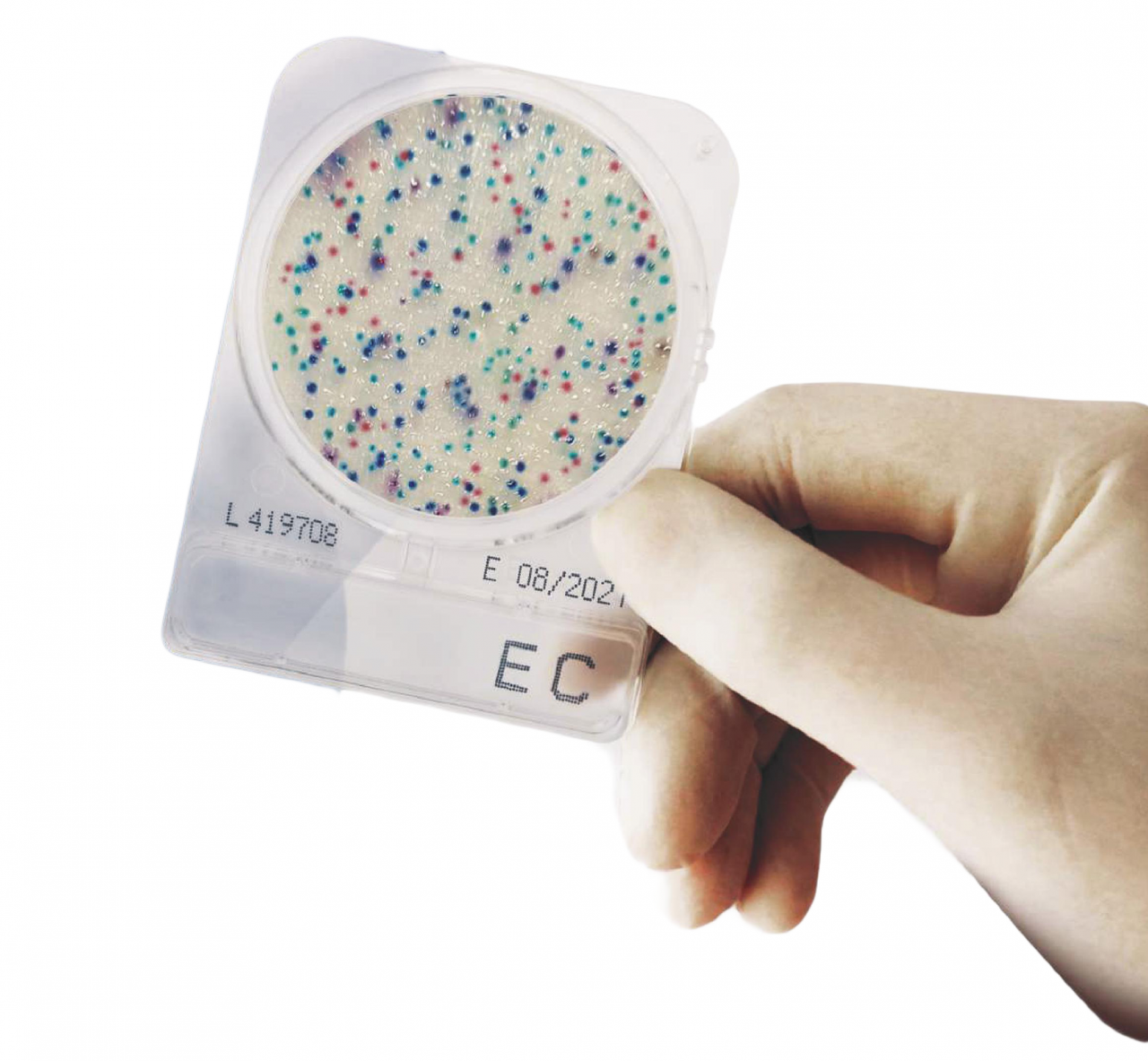
You can find detailed information on our Compact Dry Ecoli plate product at the following link: