
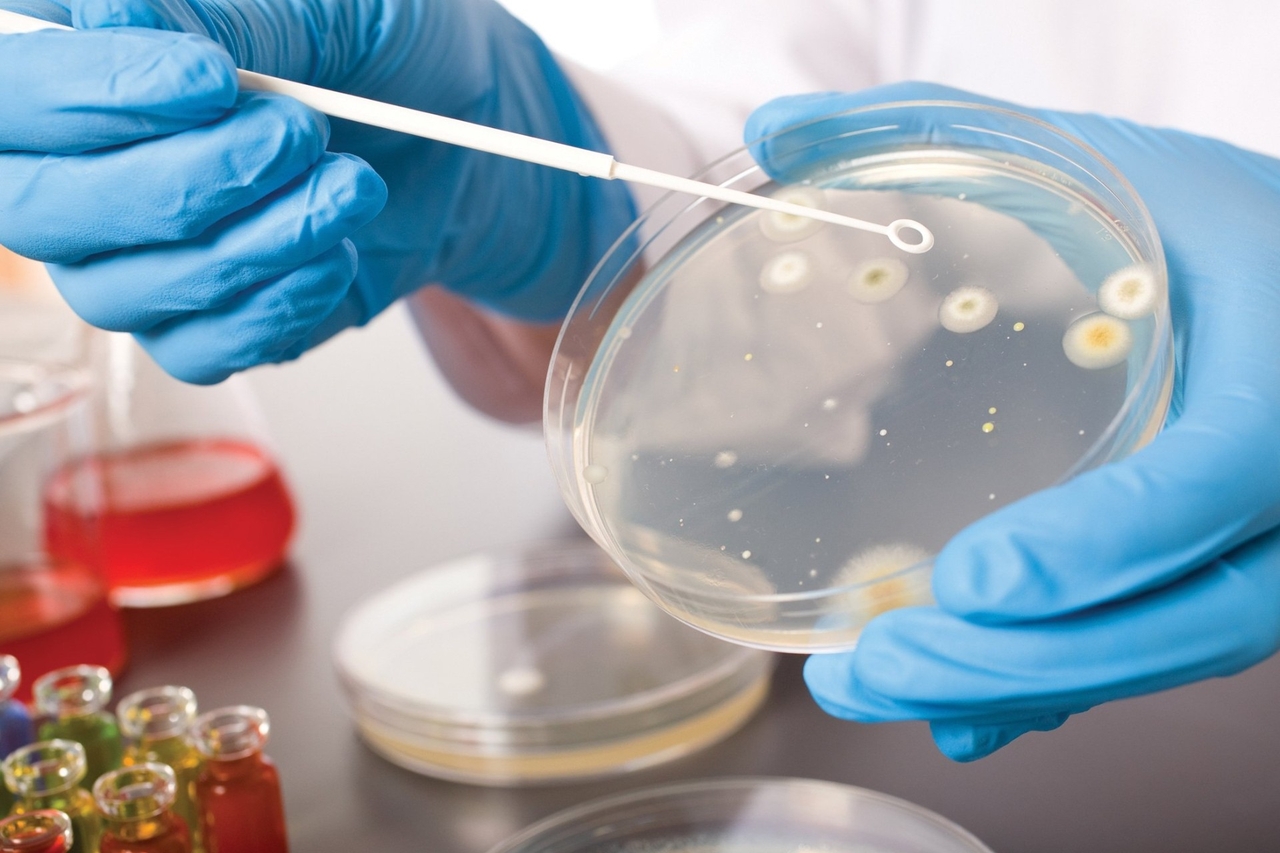
What are indicator microorganisms?
- Indicator microorganisms are microorganisms that are not necessarily pathogens, but whose presence or density in a test sample indicates possible microbial contamination or poor hygiene conditions during the production, storage, or distribution of food.
- In other words, what indicator microorganisms are — they are organisms that help indicate or reflect the level of microbial contamination in the environment, water, food, or processing equipment.
The meaning of indicator microorganisms
Indicator microorganisms play an important role in food hygiene and safety quality control systems. Their significance is as follows:
- Assessing hygiene standards: the presence of indicator microorganisms such as Coliform or E. coli shows the food or environment has been contaminated with fecal matter or improperly cleaned.
- Reflecting the effectiveness of processing: for example, after pasteurization or disinfection, detecting indicator microorganisms can prove the treatment process did not achieve the desired effect.
- Monitoring food safety risk: they are used as a tool for assessing potential risks from pathogenic bacteria, helping manufacturers adjust their processes proactively.
- Complying with legal requirements: many international and national food hygiene standards set maximum thresholds for indicator microorganisms in products.
Some common indicator microorganisms in food
- Total aerobic microorganisms (TAC): reflects the total live bacteria present in food, used to assess overall quality.
- Coliform and E. coli: indicators of fecal contamination, very important for assessing water, milk, raw vegetables, meat, and seafood.
- Enterobacteriaceae: this group includes many bacteria from human and animal intestines, and can indicate fecal contamination or sub-standard hygiene conditions.
- Clostridium perfringens and Bacillus cereus: sometimes also used as indicators of bacterial contamination and improper storage.
Applications in food testing
- In practice, indicator microorganisms in food are often tested on a schedule at many production facilities, processing plants, supermarkets, and independent testing laboratories. Modern methods such as rapid microbiological tests, Compact Dry plates, or quantitative PCR techniques are increasingly adopted to save time and improve accuracy.
- Controlling indicator microorganisms not only protects consumer health but is also a necessary condition for a product to be allowed on the market, especially for export to demanding markets such as the EU, the USA, or Japan.
- Understanding what indicator microorganisms are and the role they play is a foundational element of the food safety assurance system. They are not just a control tool, but also a measure of the quality and reliability of the production process.