In addition to bacteria such as salmonella or legionella, viruses can also be transmitted through food and can cause serious infections. The alarming fact is that viruses can spread very quickly, and moreover, they are highly resistant and can survive on surfaces and in food for a long time. Especially in community facilities such as hospitals, schools or nursing homes, foodborne viruses often cause widespread outbreaks.
1. Which viruses can be transmitted through food?
- Norovirus is frequently found in food. This year, RASFF has reported 23 cases of norovirus in food. As the most common cause of gastroenteritis worldwide, norovirus causes thousands of infections every month.
- However, the hepatitis A virus is also increasingly causing foodborne infections. According to a recent study conducted in Italy, the hepatitis A virus could be detected in 18 out of 911 samples of salads and ready-to-eat vegetables. Rarer are rotavirus, sapovirus or adenovirus transmitted through food.
2. How do viruses get into food?
- In contrast to bacteria, viruses cannot multiply in food; they can only enter food through external contamination. A distinction can be made between two sources of contamination: primary contamination is the result of contaminated raw materials. For example, vegetables may come into contact with contaminated water already present in the fields. Secondary contamination occurs during the processing, preparation or serving of food and is the result of poor hygiene.
- Proper hygiene in food processing is essential to prevent infections. In practice, however, it may be argued that hygiene requirements are not always met. A recent study conducted by the FSA showed that staff often do not wash their hands adequately, do not wear gloves, or come into contact with food immediately after suffering a viral illness. Because viruses are destroyed at high temperatures, high-risk foods, especially products that are consumed raw, include salads, fresh fruit and vegetables, minced pork and frozen berries, as well as seafood such as mussels and oysters.
3. How can viruses in food be detected?
- The standard method for detecting viruses in food is PCR. The greatest difficulty in detecting viral contamination is that food usually contains only a very small amount of virus – however, this can cause infections and therefore must be detected reliably.
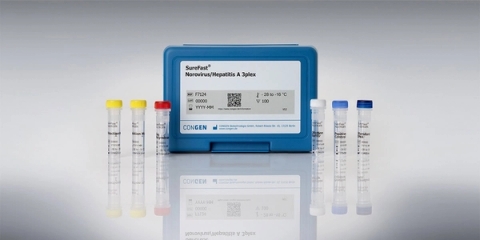
- In addition, not only food but also water and surfaces need to be tested. A Real Time PCR test that meets these requirements and is capable of simultaneously detecting norovirus and hepatitis A is SureFast® Norovirus/Hepatitis A 3plex.
- Do you have any other questions about foodborne viruses? We are happy to help you!
Source: food.r-biopharm.com