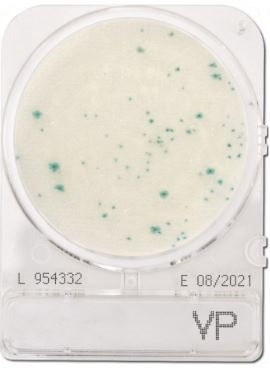
1. Introduction to Vibrio parahaemolyticus
- Vibrio parahaemolyticus is a Gram-negative, curved rod-shaped bacterium, motile by means of flagella. It grows strongly in saline and brackish water – conditions common in shrimp ponds in Vietnam. The optimal temperature for bacterial growth is 15–37°C and the pH ranges from 7,6–8,6.
- The bacterium Vibrio parahaemolyticus is commonly present in aquatic products such as shrimp, crab, clams, oysters... and can cause disease in both aquatic animals and humans.
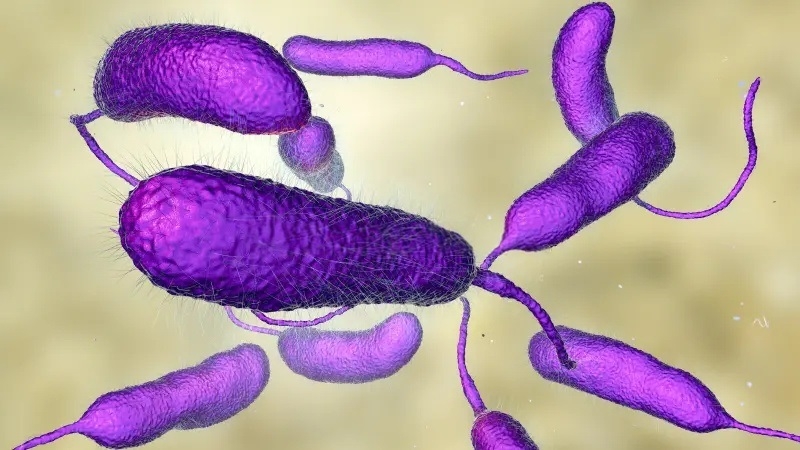
2. Harm of Vibrio parahaemolyticus in shrimp ponds
* For farmed shrimp
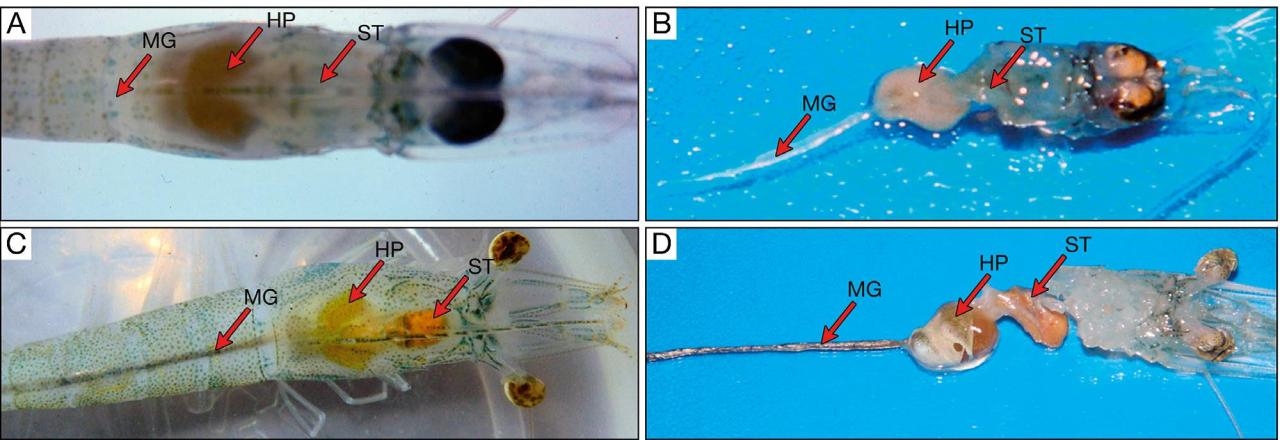
- Vibrio parahaemolyticus is the main cause of acute hepatopancreatic necrosis syndrome (AHPND – Acute Hepatopancreatic Necrosis Disease) in shrimp, a dangerous disease causing mass mortality in farmed shrimp, especially at the stage from 10–40 days old.
Signs of AHPND in shrimp caused by V. parahaemolyticus:
- Shrimp suddenly stop eating and move weakly.
- The hepatopancreas turns pale, shrinks, and is fragile.
- Empty intestine, stomach with no food.
- Mortality can reach 70–100% within just a few days.
Besides AHPND, the bacterium also causes septicemia, muscle opacity, muscle necrosis... seriously reducing the health and farming productivity of shrimp.
* For consumers
When shrimp or seafood infected with Vibrio parahaemolyticus is not properly handled and is eaten raw or undercooked, it can cause food poisoning. The symptoms include:
- Diarrhea, nausea, vomiting.
- Abdominal pain, mild fever.
- Severe cases can lead to dehydration and hypotension.
3. Method for testing Vibrio parahaemolyticus with the Compact Dry VP plate
* Product introduction
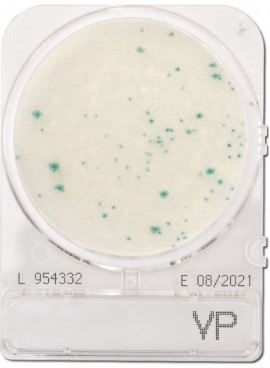
- Compact Dry VP plate (Vibrio parahaemolyticus) is a specialized product used for quantifying Vibrio parahaemolyticus in pond water samples, shrimp samples, or food contact surfaces. This is a product from Nissui (Japan), widely used in the aquaculture industry and in food microbiology testing.
* Advantages of the Compact Dry VP plate
- Simple and easy to use: no culture medium preparation required, no specialized equipment needed.
- Fast: results available after 24 hours of incubation at 35–37°C.
- Accurate quantification: each colony is clearly counted, allowing accurate quantification of bacterial density.
- Clear color indicator: colonies V. parahaemolyticus develop a navy blue or blue-green color, easy to identify.
* Usage procedure
- Sample preparation: dilute the pond water sample, homogenized shrimp sample, or surface rinse at an appropriate ratio (for example: 1:10).
- Inoculation: use a small pipette to place 1ml of sample onto the center of the Compact Dry VP plate surface.
- Incubation: cover and incubate at 35–37°C for 24 hours.
- Reading results: count the dark green/purple colonies appearing on the plate → calculate the bacterial density in CFU/ml or CFU/g.
* Meaning of the results
- Density of V. parahaemolyticus that is high in pond water or shrimp may signal a risk of an AHPND outbreak.
- Helps farmers take timely measures such as improving the pond environment, adding beneficial microbes, reducing feed, using suitable biological products...
Vibrio parahaemolyticus is a major threat in shrimp farming due to its ability to cause severe disease and large economic losses. Control of this bacterium needs to be carried out regularly and proactively. The Compact Dry VP plate is a fast, accurate, and convenient testing tool that helps farmers monitor disease-causing microorganisms and ensure biosecurity in shrimp ponds.
If you need further technical documents, detailed usage instructions or consultation about the Compact Dry VP plate, please contact PacificLAB, a company specializing in microbiological testing solutions for aquaculture and food.
See also the article Compact Dry Vibrio Parahaemolyticus Plate | Compact Dry VP Vibrio Parahaemolyticus | Shimadzu