
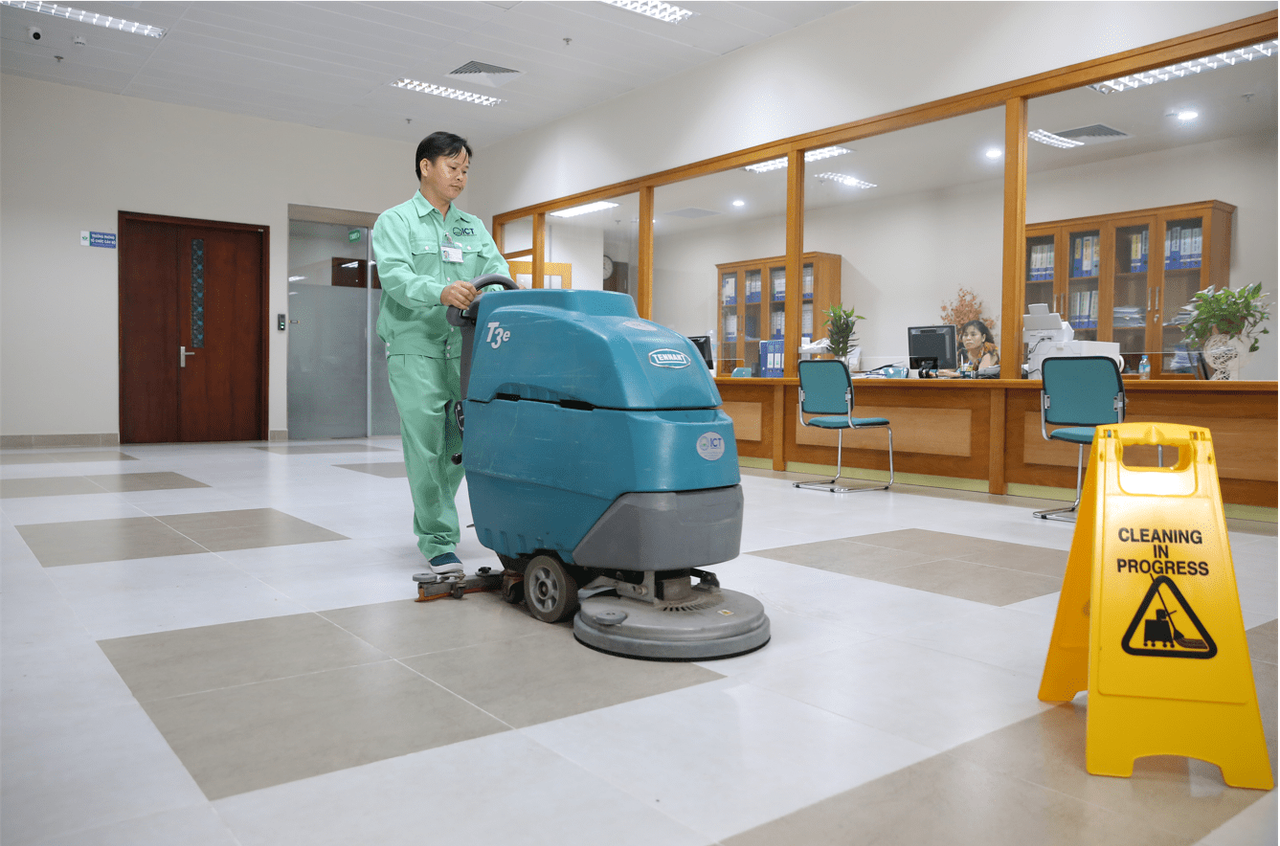
- One of the most effective ways to achieve this is to assess surface cleanliness, monitor indoor air quality, and store chemicals and detergents properly. These measures do not stop at aesthetics; they are essential elements in protecting public health, ensuring safety and protecting the environment.
- The goal of using an ATP meter is not only surface hygiene control, but also promoting cleanliness and safety by implementing consistent cleaning and maintenance procedures, together with measurement and monitoring activities.
- The ATP Test is recognized as an innovative approach to assessing cleanliness. Kikkoman Biochemifa, famous for developing the ATP Test (Kikkoman A3), took part in the "Hygiene for health" seminar. Participants learned how to integrate ATP testing into hygiene protocols, received practical training and discovered its benefits in raising hygiene levels through real-life examples.

1. What is the ATP test?
- ATP Test comes in two main types: the conventional ATP Test and the advanced ATP+ADP+AMP Test (Kikkoman A3). The former detects adenosine triphosphate (ATP), a molecule common in living cells, giving a quick insight into overall cleanliness.
- However, Kikkoman A3 goes one step further by detecting not only ATP but also its breakdown products, ADP and AMP, collectively known as "A3". This comprehensive approach offers higher sensitivity, capable of identifying a wider range of bacterial residues.
2. Benefits of implementing the Kikkoman ATP meter
- Enhanced cleaning efficiency: immediate feedback on cleaning effectiveness allows targeted cleaning efforts, ensuring the complete removal of microbiological contaminants.
- Improved hygiene standards: regularly monitoring ATP levels helps identify hygiene trends, enabling targeted interventions to address common problems and maintain high hygiene standards.
- Quality assurance: sharing ATP test results with customers serves as objective evidence of hygiene effectiveness, enhancing trust and reputation in cleaning services.
- Proactive risk management: early detection of hygiene risks enables timely corrective action, reducing the risk of contamination outbreaks and other hygiene-related incidents.
- Cost savings: targeted cleaning based on ATP test results helps optimize resource allocation, reduce unnecessary cleaning costs and promote long-term cost savings.
- Environmentally friendly: the LuciPac A3 ATP swab uses biomass-based polypropylene produced through the mass balance method, representing a greener choice for consumers
3. To use an ATP meter effectively for surface hygiene testing, cleaning companies should focus on
- Training and education: providing comprehensive training for cleaning staff ensures correct use of the ATP testing equipment and correct interpretation of the test results.
- Integration into hygiene protocols: ATP testing needs to be integrated into existing hygiene protocols, with regular testing of high-touch surfaces and critical control points.
- Data analysis and reporting: regularly analyzing ATP test results helps identify cleanliness trends, made easier by using dedicated apps such as the app designed for the Kikkoman A3.
- Continuous improvement: viewing ATP testing as a tool for continuous improvement allows cleaning companies to adjust their hygiene protocols based on hygiene issues.
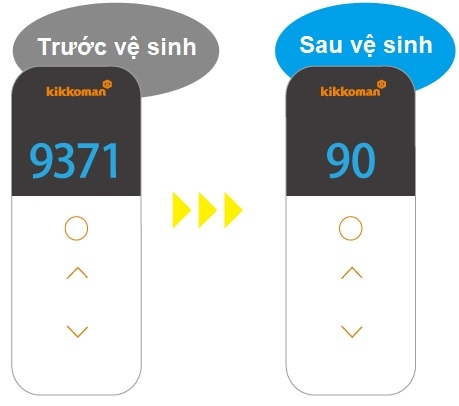
- The adoption of the ATP Test, especially the Kikkoman A3 method, brings many benefits to the sanitation industry, including improved cleaning effectiveness, improved hygiene standards and proactive risk management. By integrating the ATP Test into their organization's operations and applying continuous improvement, cleaning companies can demonstrate their commitment to excellence while ensuring the health and safety of users.