- These invisible threats pose significant risks to both human and animal health, making accurate mycotoxin analysis in food and feed an essential component of quality and food safety assurance. In recent years, advances in technology and growing awareness of mycotoxin-related issues have led to several notable trends in mycotoxin analysis.
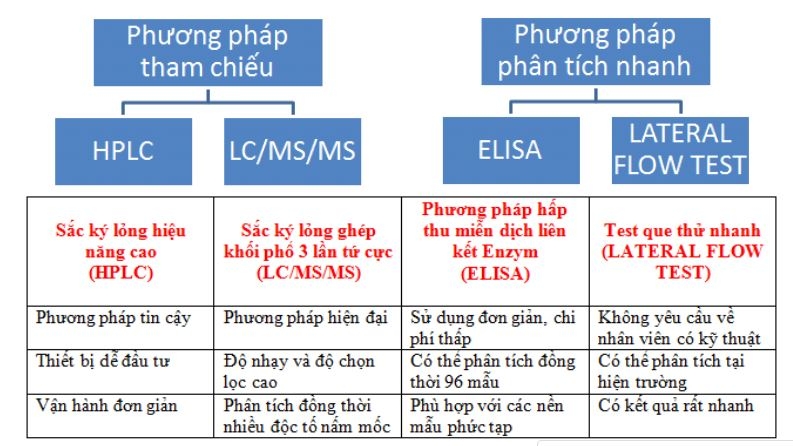
- Analytical instrumentation has evolved significantly, enabling more accurate and sensitive detection of mycotoxins. Liquid chromatography-tandem mass spectrometry (LC-MS/MS), gas chromatography-mass spectrometry (GC-MS) and enzyme-linked immunosorbent assay (ELISA) have become commonplace in mycotoxin analysis laboratories. These techniques offer improved specificity and lower limits of detection, allowing accurate quantification of mycotoxins even at trace levels.
- Mycotoxin contamination rarely involves a single toxin; it often includes multiple mycotoxins at once. Multiplex assays have become popular because they allow the detection of several mycotoxins in a single analysis. This not only saves time and resources but also provides a more comprehensive understanding of the contamination profile in any given sample.
- In addition to established methods, emerging technologies such as biosensors and nanotechnology are making their mark in mycotoxin analysis. Biosensors offer real-time detection and portability, making them suitable for on-site testing. Nanotechnology-based approaches enhance sensitivity and specificity, further improving the reliability of mycotoxin analysis.
- To meet the current trend, R-Biopharm Rhône has developed an immunoaffinity column that allows the detection of 11 or more mycotoxins with a single extraction method. The sample is extracted with solvent and diluted before being loaded onto the column to remove matrix residues prior to pumping into the LC-MS/MS system. The composition of the extraction solution and the solvent concentration applied to the immunoaffinity column have been optimized to ensure suitable recoveries for both hydrophilic analytes such as DON and lipophilic analytes such as ZON.
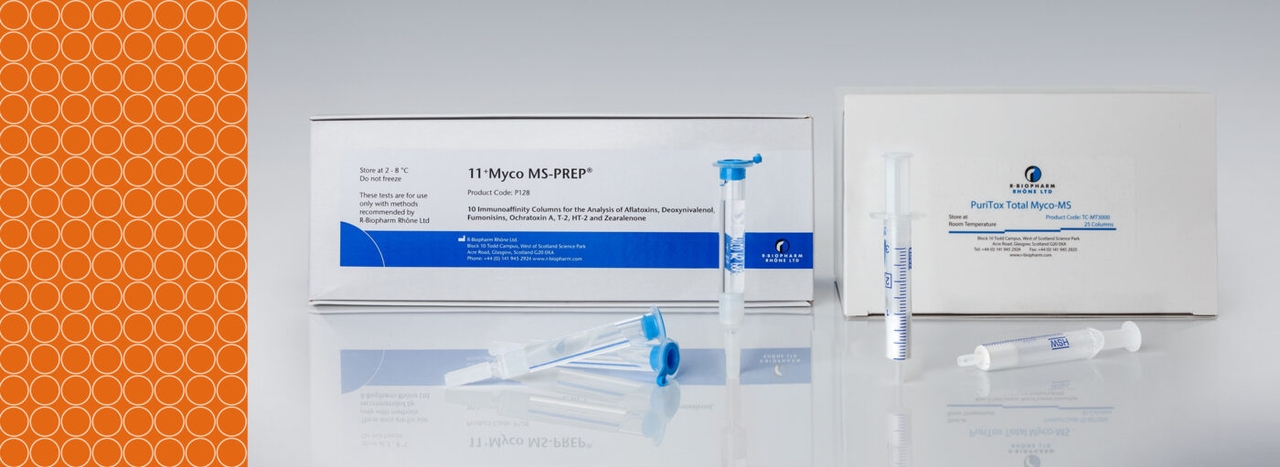
Immunoaffinity column for analyzing 11 mycotoxins
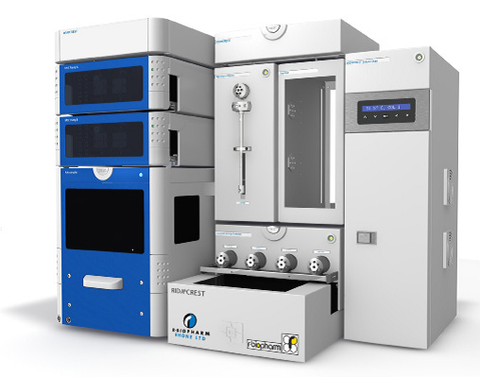
- In addition, we offer automated solutions for mycotoxin analysis. The CHRONECT Symbiosis RIDA® CREST automated system, used in combination with the reusable ONLINE IMMUNOPREP® immunoaffinity cartridge, essentially allows your laboratory to increase sample throughput, save time, improve efficiency and optimize analytical performance. Similar to the immunoaffinity column, the system is highly selective and removes all interfering components, adding further reliability to your results.
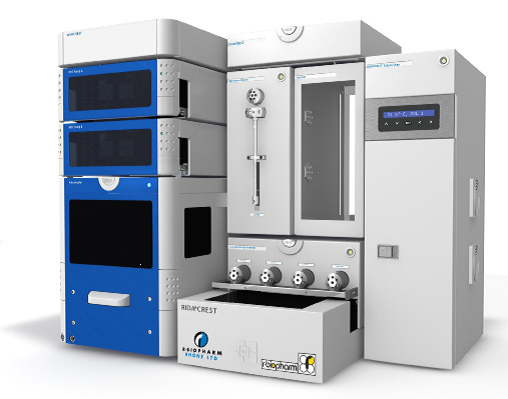
RIDA®CREST automated mycotoxin analyzer
In summary, mycotoxin analysis in food and feed is evolving to meet the needs of a changing world. High-throughput screening, advanced analytical tools, multiplex testing, emerging technologies, regulatory changes, data management and education all contribute to improving the detection and management of mycotoxins. As we continue to learn more about mycotoxins and their effects, continued research and innovation in mycotoxin analysis will be essential to protect the food and feed supply and safeguard public health.
https://pacificlab.vn/vi/news/blog-kien-thuc/lua-chon-phuong-phap-test-nao-de-phan-tich-doc-to-nam-moc-mycotoxin-119.html