
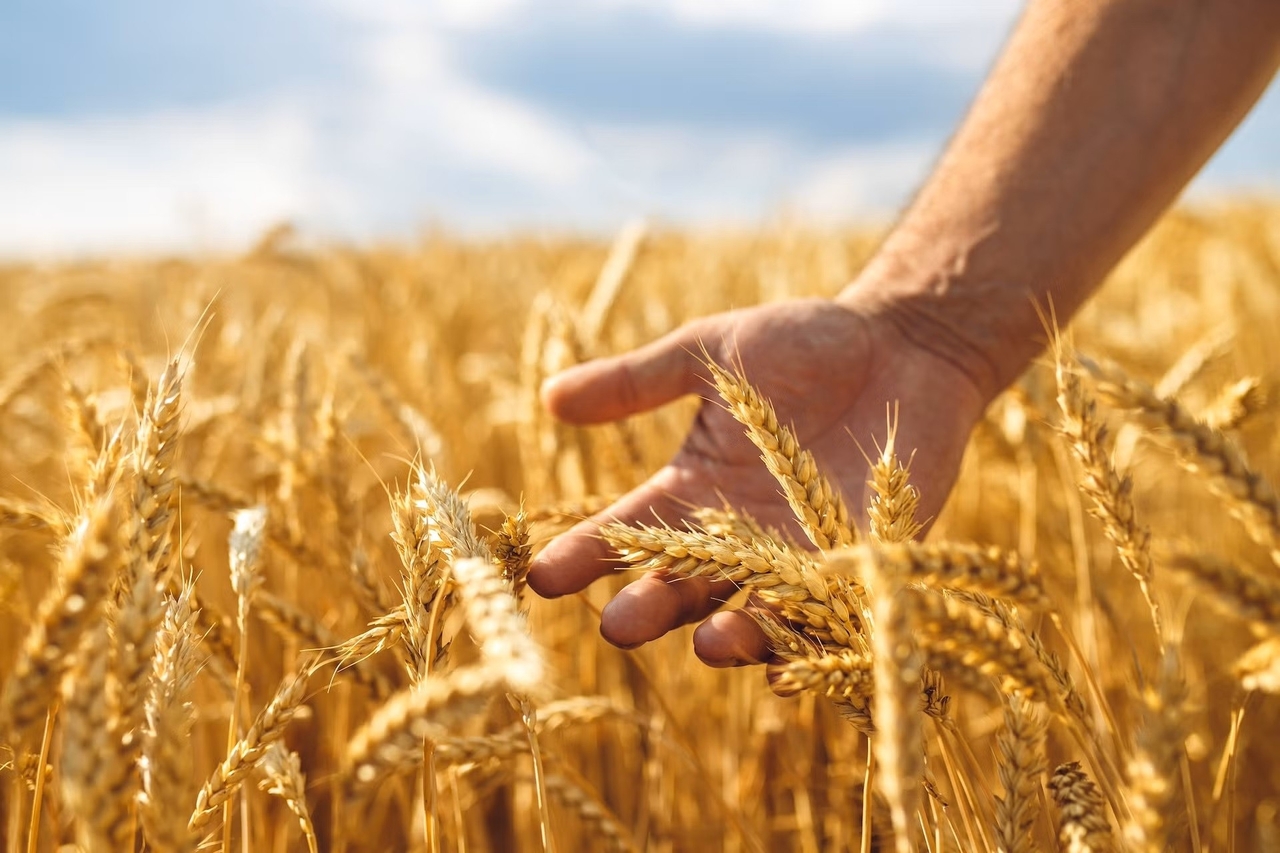
The mycotoxins with the greatest impact include aflatoxin, ochratoxin A, fumonisin, and zearalenone. These toxins can develop at many stages of crop growth, harvest, and storage, usually in conditions of high humidity and temperature. The commonly affected commodities include cereals (such as maize, wheat, and barley), nuts, dried fruit, coffee, and animal feed.
Mycotoxins: health risks and economic impact
- Mycotoxins pose serious risks to the health of both humans and animals. Consuming contaminated products can lead to acute poisoning, chronic health problems, and in some cases even cancer.
- For example, aflatoxin is highly carcinogenic and can cause liver cancer. The economic impact is also significant because contaminated consignments usually have to be destroyed, leading to substantial financial losses for producers and suppliers. In addition, mycotoxin contamination can damage a country's reputation in international trade, affecting that country's market access and competitiveness.
The importance of mycotoxin testing in food safety
- Regular testing for mycotoxins is important for several reasons. First of all, it protects consumers from the toxic effects of mycotoxins, ensuring food and feed products meet safety standards. This is essential for maintaining health and safety.
- In addition, complying with local and international regulations requires strict testing to make sure mycotoxin levels stay within permitted limits. Complying with these regulations is critical for both legal and safety reasons.
- Furthermore, regular testing prevents economy-wide losses from contaminated products, thereby supporting the stability of the food and feed industry. Finally, ensuring compliance with the strict standards of international markets is essential for maintaining market access, facilitating exports, and sustaining trade.
The legal framework for mycotoxins
Regulation of the legal framework for mycotoxin levels in food and feed is a complex area, driven by scientific research, public health concerns, and international trade considerations. Many regulators have set maximum permitted levels for various mycotoxins in a wide variety of commodities. The main regulatory frameworks include:
- The European Union (EU): its regulations are among the strictest, with specific limits for aflatoxin, ochratoxin A, patulin, and other mycotoxins in food and feed products. These regulations are continuously updated based on new scientific evidence and risk assessments.
- The United States Food and Drug Administration (FDA): the FDA has set action levels for mycotoxins such as aflatoxin in food and feed, and provides guidance to the industry on managing the risks associated with mycotoxins.
- Codex Alimentarius: this international food standards body, founded by FAO and WHO, provides guidelines and codes of practice that help countries harmonize their mycotoxin regulations, facilitating international trade and protecting consumers.
Mycotoxin law is evolving: the key driving factors
- Several factors drive the setting and development of mycotoxin regulations. Ongoing scientific research into the effects of mycotoxins on health, and improved risk assessment techniques, inform the regulatory limits and safety guidance.
- Public health concerns, such as outbreaks of mycotoxin-related disease and rising awareness of food safety issues, push regulators to introduce tighter controls. To facilitate global trade, countries align their mycotoxin regulations with the international standards, ensuring export and import products are safe and acceptable.
- In addition, advances in detection and testing technology make it possible to track mycotoxin levels more precisely, supporting enforcement and encouraging regulatory updates.
Conclusion: R-Biopharm Rhône's commitment to mycotoxin safety
- The presence of mycotoxins in food and feed is an important issue that requires strict testing and management to protect public health and assure the safety of goods. R-Biopharm Rhône is committed to developing the tools and technologies needed to detect mycotoxins effectively, helping manufacturers comply with regulatory standards and protect consumers.
- By understanding the complex context of mycotoxin legislation and the factors driving these regulations, we can better appreciate the importance of strict testing and the continuous efforts to mitigate mycotoxin risks in the food supply chain.
👉 See more on the topic Which test method should be chosen to analyze mycotoxins?
Source: food.r-biopharm.com