1. Total aerobic bacteria (Total Plate Count - TPC)
- Meaning: reflects the overall pollution level of the water.
- Limits: drinking water: ≤ 100 CFU/mL, household water: ≤ 500 CFU/mL
* Testing method:
- Standards: ISO 6222, TCVN 6187-1:2009
- Method:
+ Plate on nutrient (Plate Count Agar - PCA) and incubate at 35-37°C for 24-48 hours.
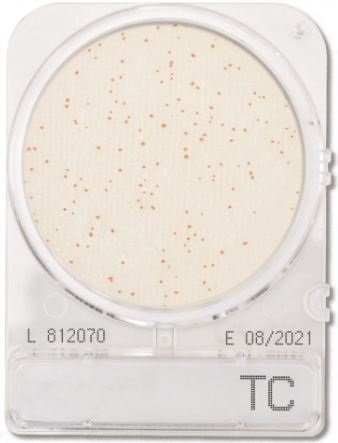
+ Use the Shimadzu Compact Dry TC Total Viable Count pre-poured plate to test total aerobic bacteria. Please ref here.
2. Total Coliforms
- Meaning: indicates microbial contamination from feces or the environment.
- Limit: not detected in 100 mL of drinking water.
- Standard: ISO 9308-1, TCVN 6187-2:2009
* Testing method:
- MPN (Most Probable Number): uses Lactose Broth medium and incubates at 37°C for 24-48 hours.
- Membrane filtration: filter through a 0.45 µm membrane, culture on m-Endo Agar, incubate at 37°C for 24 hours.
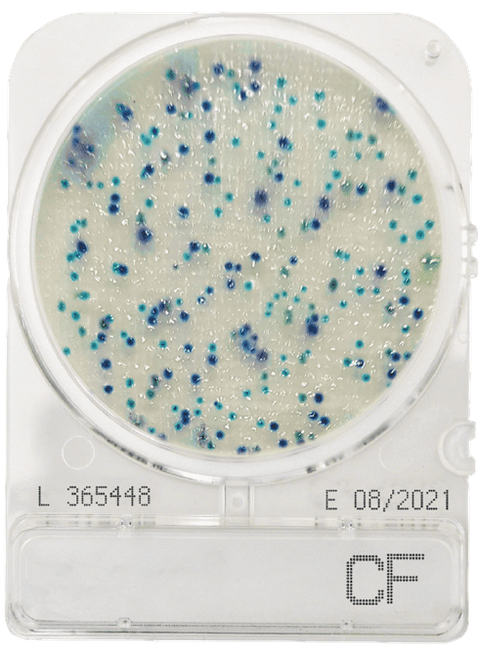
- Use the Shimadzu Compact Dry CF Coliform pre-poured plate to test Coliform in water. Please see details here.
3. Escherichia coli (E. coli)
- Meaning: indicates microbial contamination from feces
- Limit: not detected in 100 mL of drinking water.
- Standard: ISO 9308-1, TCVN 6187-2:2009
* Testing method:
- Membrane filtration: culture on TBX (Tryptone Bile X-glucuronide) Agar, incubate at 44°C for 24 hours.
- MPN: culture in LST and BGLB media, incubate at 44°C for 24-48 hours.
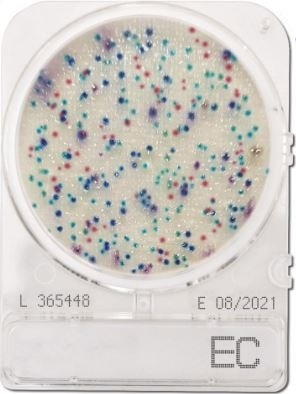
- Use the Shimadzu Compact Dry EC Ecoli Coliform pre-poured plate to test E. coli Coliform in water. Please see details here.
4. Clostridium perfringens
- Meaning: indicates long-term fecal contamination; it can survive longer in the water environment than E. coli.
- Limit: not detected in 100 mL of drinking water.
- Standard: ISO 14189
* Testing method:
- Culture on TSC (Tryptose Sulfite Cycloserine) Agar.
- Incubate under anaerobic conditions (GasPak or anaerobic jar) at 44°C for 24 hours.
5. Enterococci (Streptococcus faecalis)
- Meaning: indicates long-term fecal contamination; it can survive longer in the water environment than E. coli.
- Limit: not detected in 100 mL of drinking water.
- Standard: ISO 7899-2
* Testing method:
- Membrane filtration: culture on Slanetz & Bartley agar, incubate at 37°C for 48 hours.
- MPN: use KF-Streptococcus Broth medium, incubate at 37°C for 48 hours.
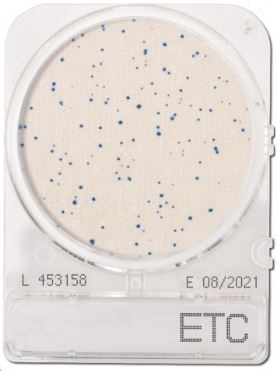
- Use the Shimadzu Compact Dry ETC Enterococci pre-poured plate to test Enterococci in water. Please see deta here.
6. Pseudomonas aeruginosa
- Meaning: a pathogenic bacterium commonly found in drinking water systems and hospitals.
- Limit: not detected in 100 mL of drinking water.
- Standard: ISO 16266
* Testing method:
- Membrane filtration: culture on Cetrimide Agar, incubate at 37°C for 48 hours.
- Biochemical checking (glucose oxidation, positive oxidase test).
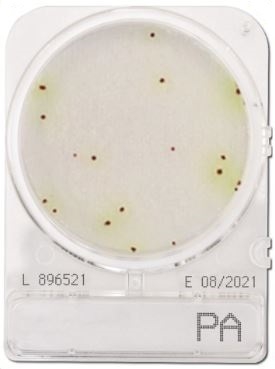
- Use the Shimadzu Compact Dry PA Pseudomonas aeruginosa pre-poured plate to test Pseudomonas aeruginosa in here.
7. Legionella spp.
- Meaning: the bacterium causing Legionnaires' disease; it usually grows in hot water systems and cooling towers.
- Limit: not detected in drinking water.
- Standard: ISO 11731
* Testing method:
- 0.2 µm membrane filtration, culture on GVPC (Glycine Vancomycin Polymyxin Cycloheximide) agar.
- Incubate at 35°C for 5-7 days.
8. Salmonella spp.
- Meaning: the bacterium causing food poisoning; it can appear in water contaminated with feces.
- Limit: not detected in 100 mL of drinking water.
- Standard: ISO 19250
* Testing method:
- Culture in Rappaport-Vassiliadis Broth medium, then plate on XLD (Xylose Lysine Deoxycholate) agar. Incubate at 37°C for 24-48 ho
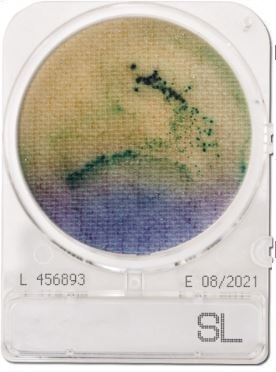
- Use the Shimadzu Compact Dry SL Salmonella pre-poured plate to test Salmonella in water. Please see details here.
9. Vibrio cholerae
- Meaning: Vibrio cholerae causes cholera; it usually appears in polluted water sources.
- Limit: not detected in 100 mL of drinking water.
- Standard: ISO 21872
* Testing method:
- Culture in alkaline peptone water (Alkaline Peptone Water - APW).
- Isolate on TCBS (Thiosulfate Citrate Bile Salts Sucrose) agar, incubate at 37°C for 24 hours.
Above are the microorganism types in water and the testing methods for these parameters. Customers needing further support