
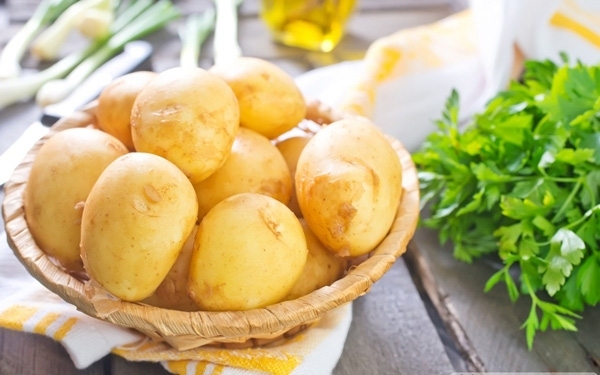
Vegetables and root vegetables provide our body with a lot of energy and nutrients needed for daily activity. However, if vegetables and fruits are stored for too long, they can spoil and become foods containing deadly toxins. Potatoes Nutrition experts say that potatoes contain a lot of solanine, which is considered a plant substance with a large amount of cyanic acid. When potatoes are stored in a brightly lit, high-temperature place, they will sprout or turn green on the outer surface. At that point, most of the solanine concentrates in the sprout base and the green skin on the outside, making the potato bitter and so toxic that it cannot be used. Potato poisoning causes abdominal pain, vomiting and diarrhea; in more severe cases it can lead to delirium, dilated pupils, intermittent fever, hypothermia, hallucinations, shock… in the worst case, death.
Sweet potatoes Not as dangerous as potato sprouts, sprouted sweet potatoes are also not recommended for eating because they contain toxins. This toxin can cause vomiting, abdominal pain, dizziness, blurred vision, nausea… If you see sprouts on a sweet potato, cut out the sprouted part and soak the tuber in salt water before using it! Also, when you buy sweet potatoes, you should store them in a dry, cool place, away from light, drafts, and hot and humid air, which makes them sprout quickly. Peanuts When peanut kernels sprout, not only does their nutritional value drop significantly, but the kernels also produce aflatoxin, a toxin that can cause liver cancer in the body. This toxin is very stable at high temperatures, so when cooking, even though the fungal spores are all destroyed, their toxins are still not completely broken down. The sensible way to store peanuts is to dry them thoroughly and then keep them in dry, cool places away from direct sunlight. In addition, you should avoid eating sprouted peanuts to ensure your health.
-711e9.jpg)
Ginger When ginger sprouts it produces sulfur, a substance that severely damages the liver. Not only that, inside the ginger root there is also a harmful compound called shikimol, which seriously affects our digestive system. When choosing, you should pay attention to the color and the appearance of the outer skin of the ginger. Ginger roots that are brightly colored, firm, neither bruised nor shriveled are the good ones that ensure nutrition for your health.