1. Characteristics of Staphylococcus aureus
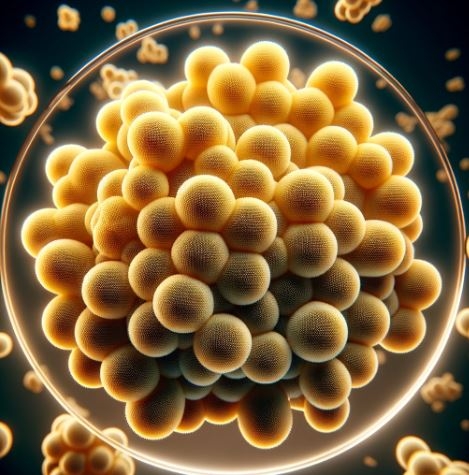
- Staphylococcus aureus is a gram-positive, spherical bacterium commonly found on the skin, mucous membranes, and respiratory tracts of humans and animals. When it contaminates food, this bacterium can cause serious harm to human health.
- Staphylococcus aureus can survive and grow in many harsh environmental conditions. It tolerates high salt concentrations, fluctuating temperatures, and can even survive on dry surfaces for a long time. These are the characteristics that make it easy for the bacterium to persist and contaminate food through improper processing, storage, or transport.
- Staphylococcus aureus not only invades food but also produces enterotoxin — a heat-resistant toxin. This means that even if contaminated food is cooked, the toxin can survive and cause food poisoning.
* Foods easily contaminated with Staphylococcus aureus include:
- Dairy products: milk, cheese, and ice cream are ideal environments for the bacterium to grow.
- Meat and processed foods: poultry, cold cuts, sausages, bread, cake, salads...
- Foods prepared by hand: dishes such as salads and sandwiches are often contaminated from the hands of the handler if hygiene is not assured.
2. The harms of Staphylococcus aureus in food
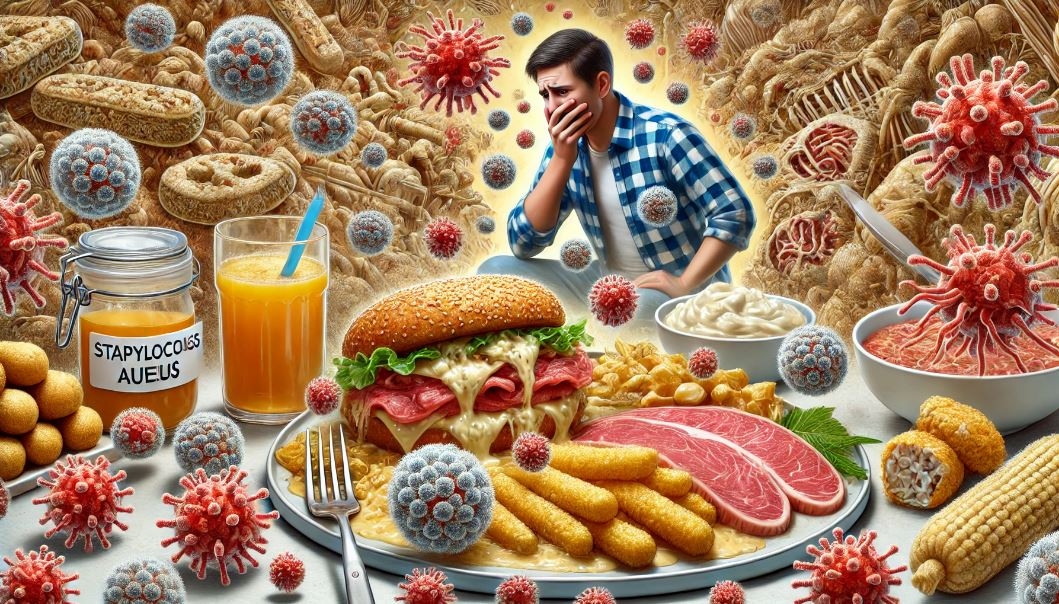
Staphylococcus aureus contamination in food causes major harm to health, of which food poisoning is the most common. After eating contaminated food, poisoning symptoms can appear very fast, within just 2–6 hours. The symptoms include:
- Nausea and vomiting: the most common symptom, caused by the enterotoxin irritating the stomach.
- Diarrhea: usually watery, accompanied by cramping abdominal pain.
- Fatigue and dizziness: caused by water and electrolyte loss through vomiting and diarrhea.
- Abdominal pain and mild fever: in some cases the patient may have a mild fever and severe abdominal pain.

- In most cases, food poisoning from Staphylococcus aureus is not fatal and resolves on its own after a few days; however, it can be very dangerous for the elderly, children, and people with weak immune systems. The toxin of this bacterium can cause exhaustion and severe dehydration, and if not treated promptly it can lead to dangerous complications.
3. Preventing Staphylococcus aureus in food
To reduce the risk of Staphylococcus aureus food poisoning, preventing the bacterium during food processing, storage, and consumption is extremely important. Some preventive measures include:
- Personal hygiene: food handlers must wash their hands frequently, especially after touching the face, hair, or other parts of the body.
- Store food properly: keep food at a suitable temperature, below 5°C or above 60°C, to block bacterial growth.
- Clean utensils and equipment: preparation tools and food contact surfaces must be cleaned thoroughly before and after use.
- Use fresh food: old, long-stored food has a high risk of bacterial contamination. Fresh food should be used and processed shortly after purchase.

- Staphylococcus aureus is a hidden hazard in food safety. Although not fatal in most cases, food poisoning from this bacterium can cause negative health consequences, especially for vulnerable groups. Understanding the bacterium's characteristics and applying preventive measures is the best way to protect consumer health and maintain food safety.
4. Testing methods for Staphylococcus aureus
There are many methods for detecting the presence of Staphylococcus aureus in food. These methods are usually divided into two main groups: traditional and modern.
4.1. Traditional methods
- Culture method: the most common, in which the food sample is cultured on a special agar medium such as Baird-Parker Agar. Results usually arrive in 24–48 hours, with Staphylococcus aureus colonies showing a characteristic black, shiny appearance with a light halo.
- Quantification method: by counting the colonies formed on the culture medium, the level of bacterial contamination in the food can be determined.
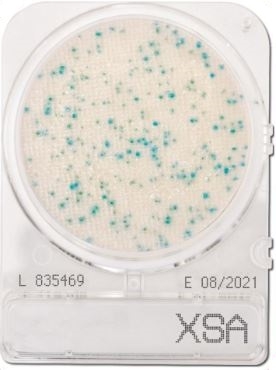
- The pre-poured plate method: this method is far more cost-saving than traditional plate pouring. Just extract the sample's inner aqueous phase and incubate it. Results arrive after 24 hours, with Staphylococcus aureus colonies colored green. You can see our Compact Dry X-SA Staphylococcus aureus plate product here.
4.2. Modern methods
- PCR (Polymerase Chain Reaction): this method uses molecular biology technique to detect Staphylococcus aureus DNA in food. PCR allows this bacterium to be detected quickly and accurately within a few hours. You can see our Staphylococcus aureus PCR kit product here.
- The ELISA technique: this technique detects the toxins the bacterium produces using specific antibodies. ELISA can accurately identify toxins present in food, helping assess how dangerous the product is. Customers can see our Staphylococcus aureus ELISA kit product here.

In summary, Staphylococcus aureus is a hidden hazard in food safety. Although not fatal in most cases, food poisoning from this bacterium can cause negative health consequences, especially for vulnerable groups. Understanding the bacterium's characteristics and applying preventive measures is the best way to protect consumer health and maintain food safety.
Contact us right away for advice on the products that best fit your needs!