1. Overview of the Bacillus cereus bacterium
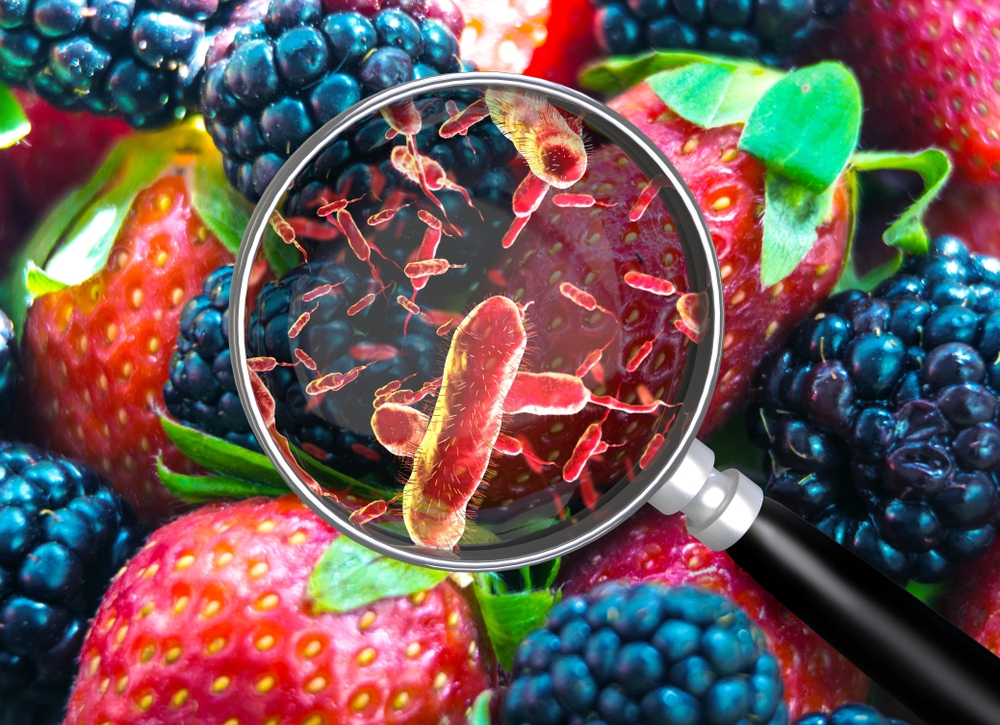
– Bacillus bacteria are aerobic Gram-positive rod-shaped bacteria that form endospores; in some cases they are pathogenic and can cause foodborne illness.
- Some strains of the Bacillus cereus bacterium cause food poisoning, while other strains are beneficial to the gut microflora of animals and humans.
– Explaining the Bacillus cereus bacterium from a scientific angle, we have Bacillus (B.) cereus as a species of the Bacillus genus, widespread in nature, soil, and food.
2. Characteristics of the Bacillus cereus bacterium
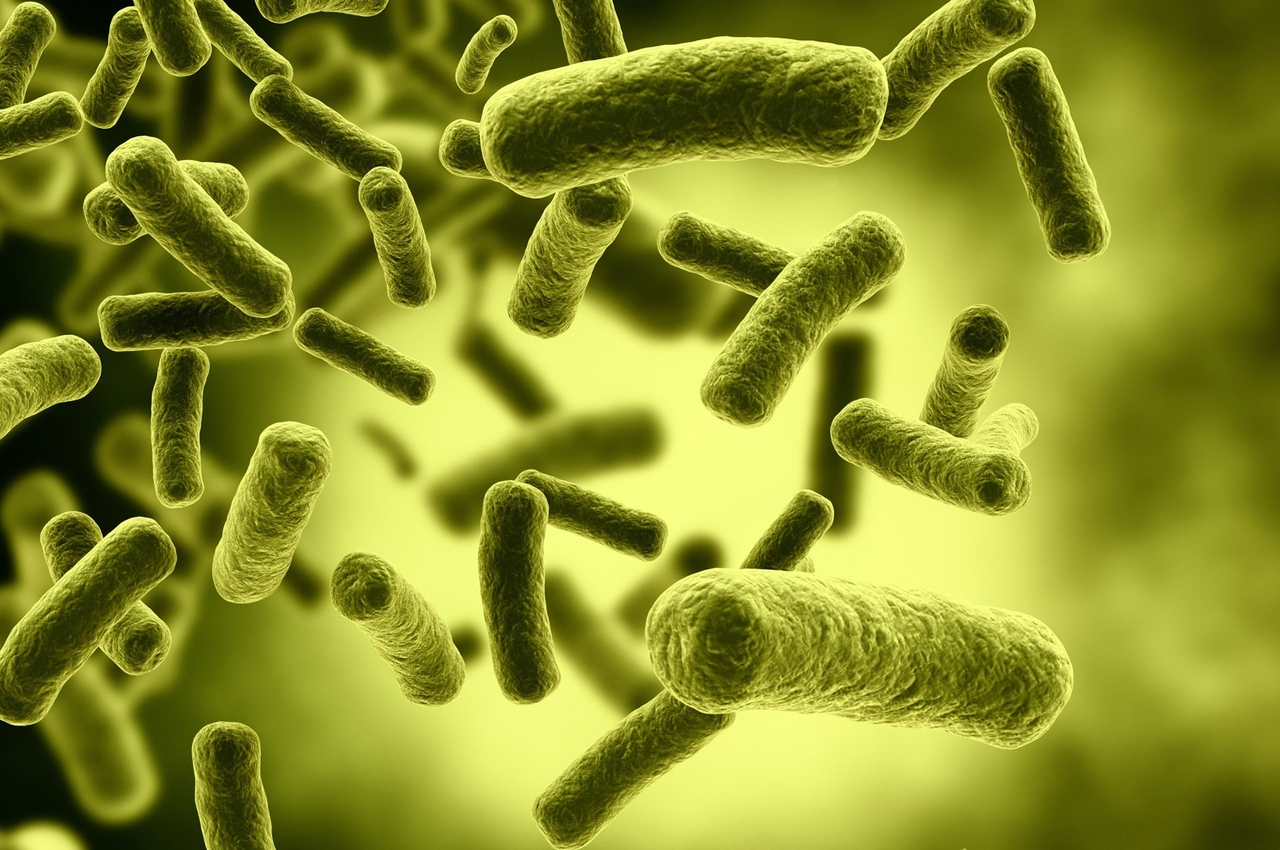
– The vegetative form of B. cereus grows in the range from 10 to 50°C, with an optimum temperature from 30 to 40°C.
– Below a pH of 4.8, the B. cereus strains cannot multiply. However, acid tolerance varies between strains and some lines are able to grow slowly in more acidic conditions.
– Temperatures below 100°C allow the spores to survive; therefore, rapid cooling methods after cooking are important to limit spore germination.
- The initial bacterial dose in foods containing B. cereus is in most cases relatively low and only causes illness when the food is stored for a long time at an unsuitable temperature.
3. How does the Bacillus cereus bacterium cause food poisoning?
Bacillus cereus can cause two distinct kinds of food poisoning.
– The diarrheal type: causing diarrhea and abdominal pain occurring from 8 to 16 hours after eating contaminated food. Symptoms usually disappear within 24 hours.
– The emetic type: nausea and vomiting begin from 1 to 5 hours after eating contaminated food. Cooked rice left at room temperature too long is the common cause.
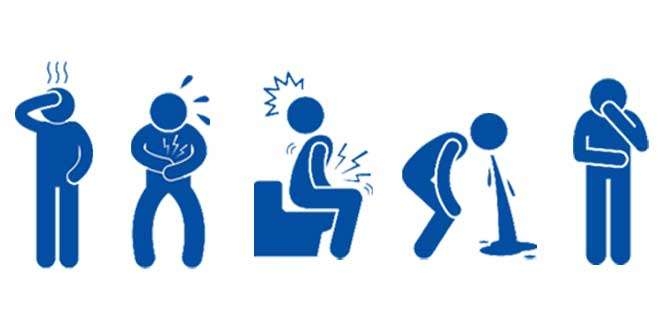
– Experts state that when infected with the Bacillus cereus bacterium; the victim may vomit with a shorter incubation time (1–5 hours), while the diarrhea form has a longer incubation time of 8 -16 hours. The disease is caused by a toxin that produces diarrhea and abdominal cramps lasting about 24 hours.
– Associate Professor Nguyen Duy Thinh especially emphasized that Bacillus cereus may be present in rice. These spores will die only when boiled at 100°C and above for a long enough time.
- "People who eat rice containing Bacillus cereus bacteria may have nausea and vomiting or diarrhea within a few hours after the meal."
4. How to prevent the Bacillus cereus bacterium to avoid food poisoning
– Food poisoning from Bacillus bacteria, like all kinds of food poisoning, is largely preventable through proper hygiene and storage practices.
– Food must be cooked at a suitable temperature (depending on each kind of food).
– Cooked food must be kept separate from uncooked food (using separate utensils and cutting boards for raw and cooked food).
– And especially important; cooked food must be stored in the refrigerator at a suitable temperature, no more than 2 hours at room temperature.
- Wash your hands thoroughly before and after cooking.

5. So how do you test for the Bacillus cereus bacterium in food
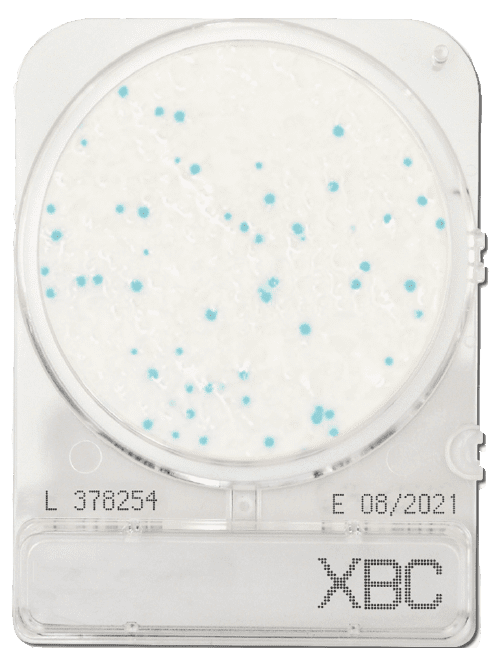
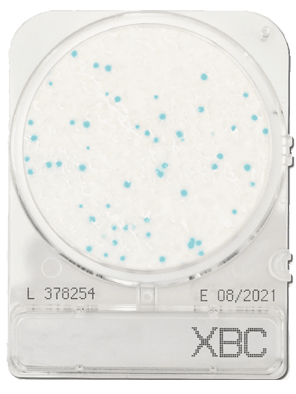
– Pacific Scientific & Technical Equipment Co., Ltd. brings an effective, simple, and rapid microbiological testing solution.
– The Compact Dry BC Bacillus cereus plate is based on the detection mechanism of microorganisms through the reaction of enzymes they produce inside the pre-dried medium on the plate.