Soy and soy-based products are familiar ingredients in many kinds of food, from ready-made meals to traditional dishes. Therefore, controlling soy allergy in food products is an important issue for both the food industry and public health.
1. What is soy allergy?
Soy allergy occurs when the immune system recognises soy protein as an "enemy" and activates a hypersensitivity reaction. The symptoms of soy allergy include:
- Mild: itching in the mouth, rash, runny nose.
- Severe: anaphylactic shock, causing breathing difficulty and danger to life.
2. Challenges in controlling soy allergy
- Soy comes in many forms: not only in soy milk or tofu, but also in many products such as sauces, snacks, vegetarian foods and ready-made dishes.
- “hidden” soy products: sometimes soy is used as an emulsifier, hydrolysed vegetable protein (HVP) or a thickener, making it hard for consumers to identify.
- Cross-reactivity: soy allergy can cross-react with allergies to other legumes, increasing the level of complexity.
3. Controlling soy allergy in food production
To protect consumers and meet food safety requirements, manufacturers need to implement the following measures:
3.1. Clear food labelling
- Under international and national regulations (for example: FDA, EFSA), soy is one of the 14 major allergens and must be clearly stated on the product label.
- Use easily understood wording, for example: "This product contains soy" or "produced in a factory that processes soy."
3.2. Preventing cross-contamination
- Separate the production lines dedicated to products that do not contain soy.
- Carry out strict cleaning of equipment and the production environment.
- Train employees so they clearly understand the risk of cross-contamination and how to prevent it.
3.3. Testing and analysis of soy allergens
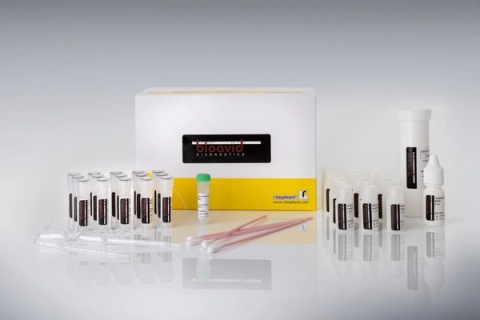
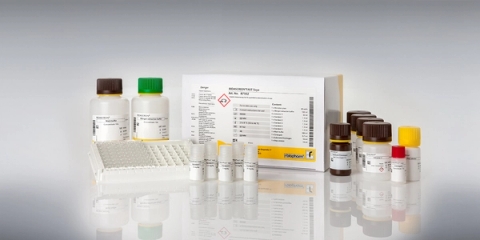
- Apply food testing methods to detect traces of soy protein, such as the soy allergy rapid test, the ELISA method or the PCR method. Please refer to the soy allergen analysis parameters we provide, which include:
- Soy allergy rapid test: bioavid Lateral Flow Soy incl. Hook Line, product code BLH 712-15
- Soy allergy Elisa test: RIDASCREEN®FAST Soya, product code R7102
- Soy allergy Real Time PCR test: SureFood® ALLERGEN Soya, product code S3601
- Carry out regular testing to ensure compliance with regulations and product safety.
3.4. Alternative formulas
For products intended for allergic people, use alternative ingredients that do not contain soy, such as rapeseed oil, cocoa butter to replace soy lecithin.
4. The role of consumers
Consumers with a soy allergy need to:
- Read the food label carefully before using it.
- Ask for clear information at restaurants or when buying ready-made food.
- Carry anti-allergy medicine (such as epinephrine) in case of emergency.
5. Conclusion
Controlling soy allergy is not only the responsibility of food manufacturers but also a joint effort between the food industry, regulatory authorities and consumers. By following strict measures, we can minimise the risk and protect the health of people with soy allergy in the community.