

- In the field of hygiene control, especially in the food, healthcare and drinking water industries, the Kikkoman Lumitester Smart ATP meter plays an important role in assessing the level of microbial contamination.
- This device works by measuring the ATP (Adenosine Triphosphate) content, a compound present in all living organisms and organic residues, thereby determining the cleanliness level of a surface or water sample. To ensure accurate measurement results and maintain device performance, users need to note some important points below.
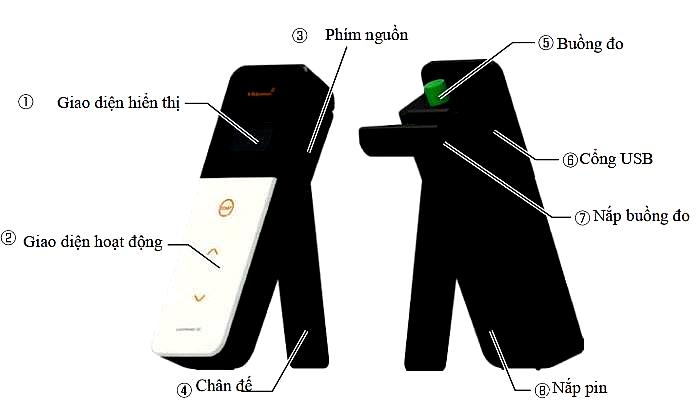
1. Check and prepare the device before measuring
- Make sure the ATP meter is using a battery with sufficient power
- Perform periodic calibration according to the manufacturer's instructions to ensure accuracy.
- Check the test stick insertion slot and keep it clean to avoid dust and residue affecting the measurement results.
- Wash hands thoroughly or wear gloves when handling to avoid contaminating the sample being measured.
2. Proper sampling technique
- Use ATP test sticks suitable for the type of sample to be tested (surface, water, food).
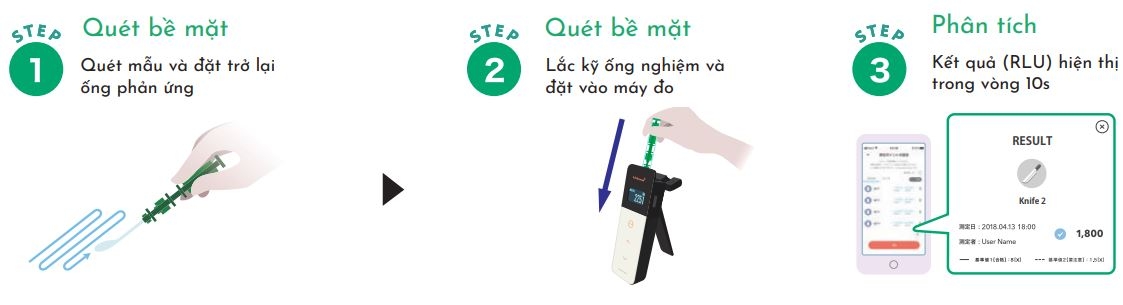
- When sampling from a surface, move the test stick in one direction with moderate hand pressure to maximize contact with the area being tested.
- For water samples, ensure that the sample volume is appropriate according to the usage instructions.
- After sampling, shake the test stick evenly so that the reagent reacts well with the ATP present in the sample.
- Measure immediately after sampling to prevent ATP from degrading over time.
3. Measure the sample and read the results
- Insert the test stick into the Lumitester Smart ATP meter following the instructions correctly, avoiding breaking or bending the test stick.
- Read the results in RLU (Relative Light Units), the higher the value, the greater the level of ATP contamination.
- Compare the measurement results with the ATP limit threshold that has been set to assess the hygiene level of the sample.
- If the result is unusually high, re-check by measuring multiple times to ensure accuracy.
4. Storage of the device and ATP test sticks
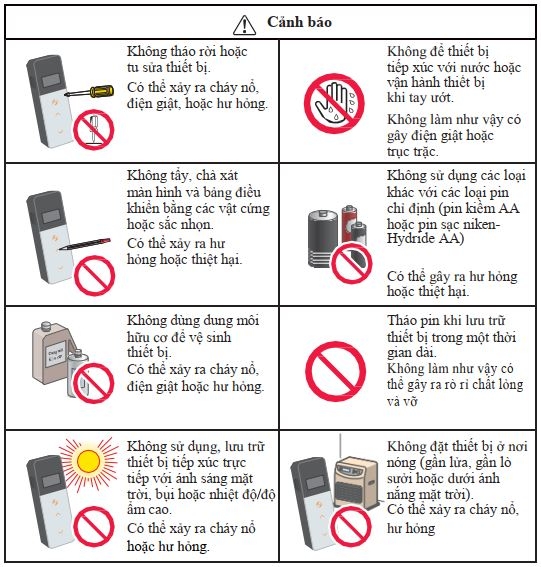
- Store ATP test sticks at the temperature recommended by the manufacturer, avoiding direct sunlight or high-humidity environments.
- Do not use expired test sticks or those showing signs of damage.
- After measuring, clean the device thoroughly, especially the test stick insertion slot, to avoid dust and residue.
- Store the measurement results in a data management system for analysis and tracking hygiene trends.

5. Analysis and improvement of the hygiene process
- If an area with high ATP is detected, the hygiene and disinfection process needs to be strengthened, then re-check to ensure the standard is met.
- Use measurement data from Lumitester Smart ATP meter to build trend charts, helping improve the effectiveness of the hygiene control process.
Using the Lumitester Smart ATP meter correctly not only helps quickly assess the cleanliness level of surfaces and water but also helps businesses improve the quality of hygiene control. By following the notes above, users can optimize measurement accuracy, protect consumer health and maintain safety standards in production.