1. Overview of Pseudomonas aeruginosa
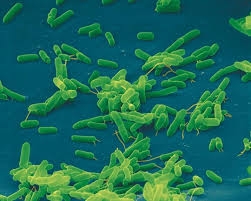
- Pseudomonas aeruginosa is a Gram-negative, aerobic bacterium, motile by means of flagella. It is commonly found in natural environments such as soil, water, air, and moist surfaces. It can grow under many harsh conditions thanks to its strong resistance mechanism against many antibiotics and disinfectants.
- Pseudomonas aeruginosa can cause many serious infections, especially in people with weakened immune systems. This bacterium can produce the pigments pyocyanin and pyoverdine, which help it survive and cause disease in the host.
2. Harm of Pseudomonas aeruginosa in water
- Pseudomonas aeruginosa is a dangerous pathogen in water, especially drinking water and domestic water. The main harms of this bacterium include
- Causes disease in humans: The bacterium can cause skin infections, pneumonia, otitis externa (especially in swimmers), urinary tract infections and septicemia.
- Affects the water supply system: The bacterium can form a biofilm on the surface of water pipes, reducing the efficiency of the water treatment system and causing contamination.
- Degrades water quality: When present in water, Pseudomonas aeruginosa can secrete toxins and enzymes that degrade water quality, affecting human and livestock health.
3. Method for testing Pseudomonas aeruginosa with Compact Dry plates using the membrane filtration method
3.1. Testing principle
- The membrane filtration method is an effective technique for detecting Pseudomonas aeruginosa in water. The water sample is filtered through a membrane with a pore size of 0,45 µm, then the membrane is placed on the Compact Dry plate for incubation and detection of the bacteria.
3.2 Procedure
* Step 1: Sample and equipment preparation
- Water sample to be tested
- Microbiological filter with a pore size of 0,45 µm
- Compact Dry plate dedicated to Pseudomonas aeruginosa (Compact Dry PA)
- Phosphate buffer solution or sterile distilled water
- Incubator 36±2°C
* Step 2: Filter the sample
- Take 100 ml of water sample and filter through a 0,45 µm membrane.
- After filtration, the membrane is placed on the surface of the Compact Dry PA plate so that it makes full contact with the medium.
* Step 3: Incubate the sample
- Place the Compact Dry PA plate containing the membrane in the incubator and incubate at 36±2°C for 24-48 hours.
* Step 4: Read the results
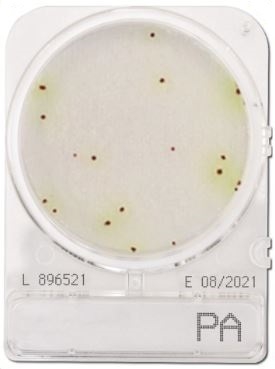
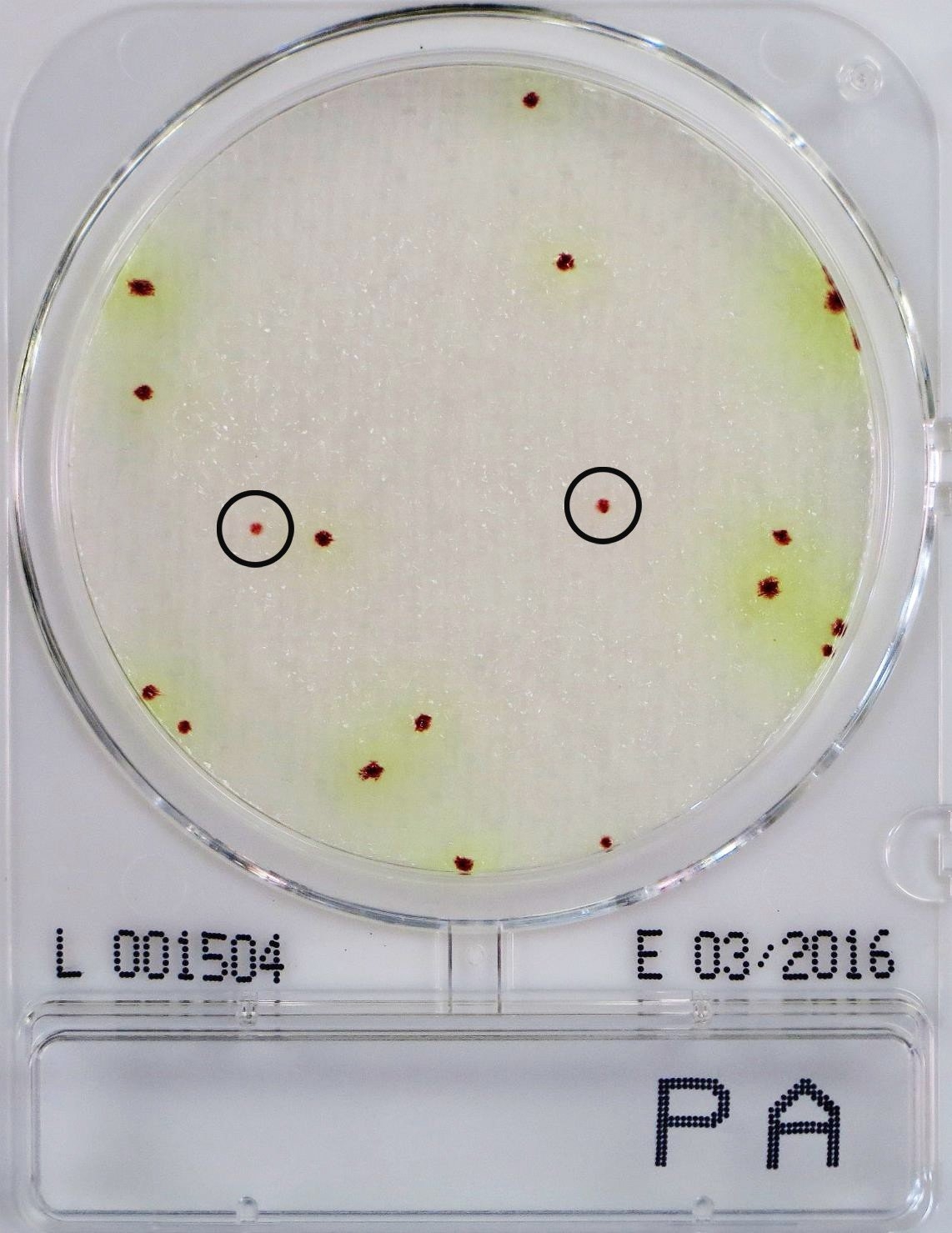
- Pseudomonas aeruginosa will grow into blue colonies due to its ability to produce the pigment pyocyanin.
- Count the blue colonies on the Compact Dry PA plate and calculate the bacterial density in the water sample.
3.3 Result evaluation
- If the number of Pseudomonas aeruginosa exceeds the permissible standard in drinking water (<1 CFU/100 ml), the water source needs to be treated to ensure safety.
- In domestic water or wastewater, the limit levels may vary depending on the regulations of each country or health organization.
Pseudomonas aeruginosa is a bacterium capable of causing serious harm in water, affecting human health and the water supply system. Testing with Compact Dry plates using the membrane filtration technique is an effective solution for detecting and controlling this bacterium in water. Regular monitoring and proper water treatment are necessary to ensure the hygiene safety of drinking water and domestic water.