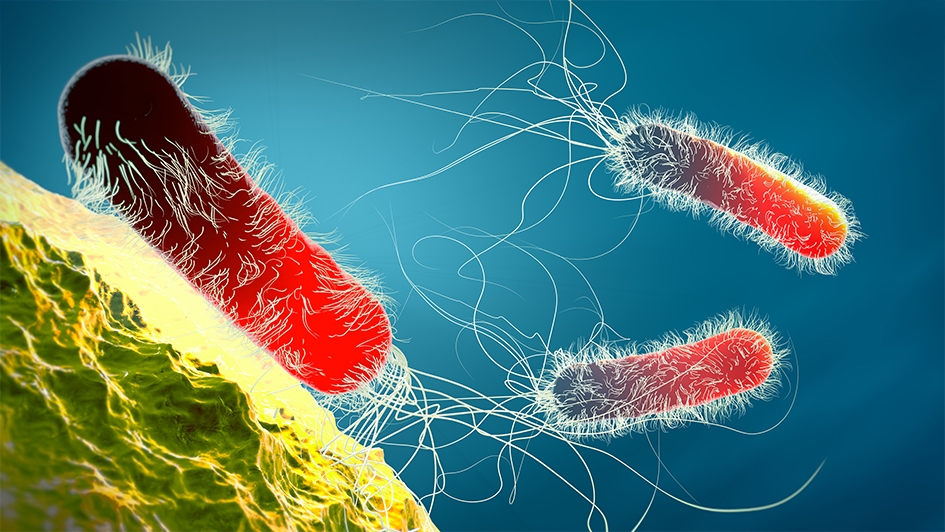
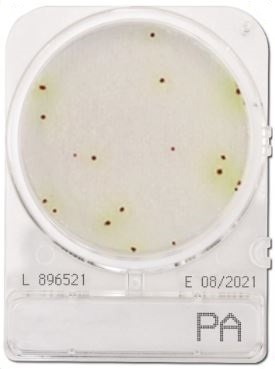
Along with E. coli, Legionella and Enterococci, this is one of the most dangerous bacteria in drinking water and also one of the most common hospital germs. The Compact Dry PA Pseudomonas aeruginosa culture plate identifies this bacterium easily and reliably.
- From a medical perspective, Pseudomonas aeruginosa it is the most important member of the genus Pseudomonas. Due to its high adaptability and low nutritional requirements, it can be found almost everywhere as long as there is enough water: common habitats are moist soil and ponds as well as toilets, sinks, swimming pools, soap dishes, flower vases and dishwashers. It can even survive in distilled water and disinfectants.
- Therefore, Pseudomonas is known as a source of contamination in tap water, but they also lead to food spoilage.
- In healthy people, Pseudomonas aeruginosa it rarely causes serious illness. However, they are opportunistic and can cause dangerous infections in immunocompromised people or those with open wounds. This is why this multi-antibiotic-resistant bacterium is a major problem, especially in hospitals.
How to prevent the bacterium Pseudomonas aeruginosa
Because Pseudomonas aeruginosa has a high adaptability and can reproduce rapidly, so even low concentrations can be dangerous. This is why drinking water regulations require water to be regularly tested for Pseudomonas bacteria. Under these regulations, the bacteria must not be detected in 250ml of bottled drinking water. Since the pathogen is difficult to control, effective prevention is essential. Common preventive measures to control infection include frequent and thorough hand washing, wearing gowns and gloves, and properly sanitizing all relevant machinery and equipment. 70% alcohol should be used for the best disinfection results.
How to detect the bacterium Pseudomonas aeruginosa
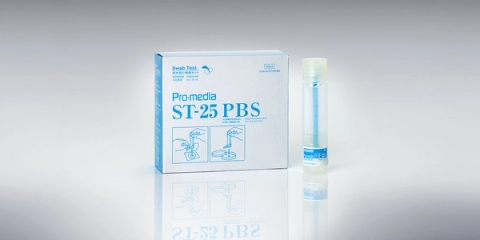
The detection of Pseudomonas aeruginosa is of great importance for food and beverage manufacturers – especially because this bacterium is an indicator pathogen of general hygiene in the production area. Methods based on pre-dried agar plates have proven effective because they are safe and easy to use. Culture media plates such as the Compact Dry plate are suitable for process control as well as final product control. In addition, the Compact Dry plate also allows the analysis of water, beverages, solid foods and even surfaces (by using swabs for surface microbiology swab tests - Z0302 Promedia ST25).
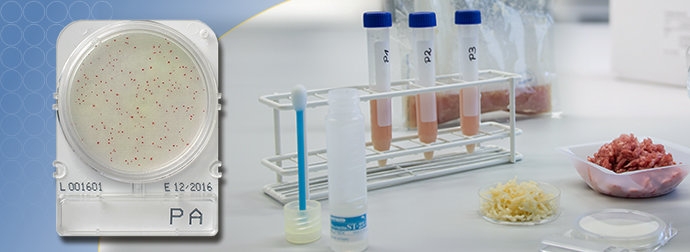
Culture plate Compact Dry PA Pseudomonas aeruginosa detects Pseudomonas in 3 simple steps
– Remove the lid and pipette 1 ml of the sample into the center of the plate. The sample automatically diffuses into the growth medium, turning it into a gel.
– Replace the lid and place the plate upside down in the incubator. If bacteria are present in the sample, they will now grow and produce pigment.
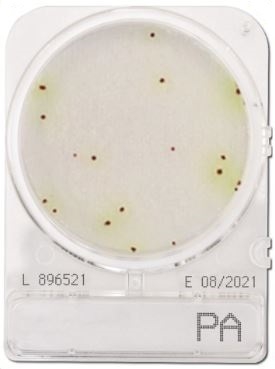
– After 48 hours of incubation, the colored colonies can be counted with the naked eye. Pseudomonas aeruginosa colonies are red and are surrounded by a yellowish-green zone.
For more detailed information about the Compact Dry PA plate, please visit the following link: