
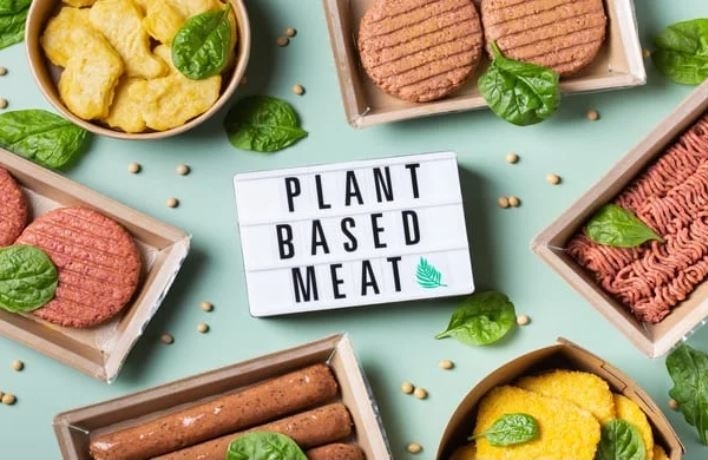
1. Welcome to the world of plant-based foods
- Plant-based diets have become popular in recent years because of their environmental sustainability.
- In addition, plant-based diets can reduce greenhouse gas emissions and land use compared with animal-based diets. Many people choose plant-based foods to follow a plant-based diet for ethical reasons, as it avoids the use of animal products.
- There are many types of plant-based foods, from hamburgers, chicken nuggets, and sausages to some of the alternative milks made from almonds, oats, or soybeans.
- The growing demand for plant-based products for vegetarians is also a major challenge for food manufacturers. Many manufacturers have expanded their product lines to include new plant-based products that mimic hamburgers and other meat dishes with plant ingredients, deceptively imitating the flavor and texture of meat.
- The range of products extends from plant-based hamburgers to meat alternatives and vegan dairy alternatives.
- The variety of vegetarian options in the food industry is growing significantly. Food manufacturers know that these products also have to meet strict quality and safety standards.
- Did you know that these plant-based products can also contain allergens or animal DNA? We want our customers to know that vegan and plant-based food is not always free of allergens. Again, you should check the ingredient list. Animal DNA can also be present in milk or eggs.
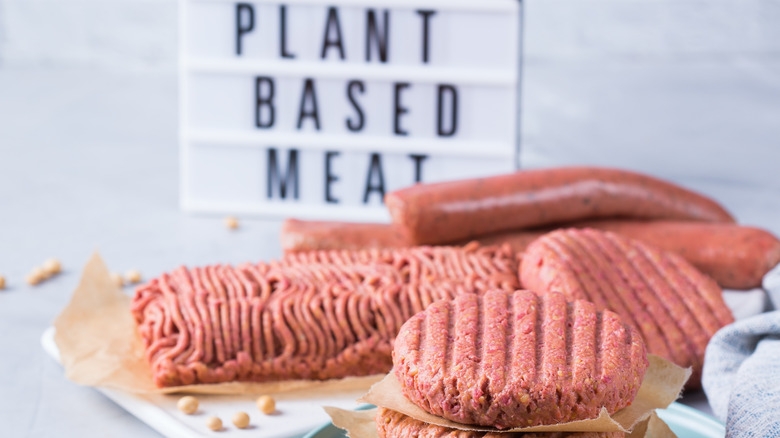
2. The science behind quality assurance
- As plant-based foods become more widespread, questions arise about safety and nutritional risks. The key to delivering safe, high-quality plant-based foods lies in comprehensive food analysis
- Testing and analysis include detecting potential contaminants and allergens, and ensuring the nutritional accuracy of these products.
3. Several pilot analyses already carried out on plant-based foods
3.1. Allergen control
- Nuts, gluten, and legumes such as soybeans or lupins are particularly common in vegan alternatives, but other allergens such as sesame, mustard, or celery are also present. Many vegetarian and vegan alternatives are highly processed and often have very long ingredient lists. Instant products in particular often contain numerous allergens that must be labeled.
- Manufacturers must be aware that by adding a vegan ingredient, allergens may be present in the product, and the product must be labeled. Traces of allergens can also enter other products or product lines when products of animal origin such as milk and eggs are handled.
* Products customers may be interested in:
- SureFood® ALLERGEN 4plex Soya / Celery / Mustard + IAC, Art. No. S3401
- RIDASCREEN® Egg, Art. No. R6411
- RIDASCREEN®FAST Milk, (Art. No. R4652)
3.2. Legume protein
- Plant-based products such as plant-based meat alternatives or plant-based protein powders are often fortified with additional protein, such as legume protein, soy protein, or rice protein, to raise their protein content. Products based on legume protein in particular are becoming increasingly popular because, so far, they are not considered allergens and therefore do not carry mandatory allergen labeling.
- However, the increasing use of legume protein can make allergies to legumes more common, and the usually high protein content in vegan alternatives can trigger severe allergic reactions.
- In addition, because the origin of the protein in this form is no longer easy to recognize, food testing may be needed to determine whether it contains peas, beans, or other legumes.
- The Real Time PCR 4plex Legumes test is suitable for this purpose.
* PCR test kits customers may be interested in:
SureFood® 4plex LEGUMES, Art. No. S7008
3.3. Vitamin analysis
- Vitamin analysis verifies nutrition content claims accurately. Plant-based products can be fortified with many different nutrients during production to raise their nutritional value and mimic the nutritional profile of animal-based products.
- Vitamins such as vitamin B12, vitamin B6, and vitamin B2 (riboflavin) are often added to plant-based products. Vitamin B12 in particular is often fortified in plant-based foods because it occurs mainly in animal-derived sources. It is important to note that fortification practices vary depending on the product and the regulations of the country concerned.
* Test kits customers may be interested in:
VitaFast® Vitamin B12 (Cyanocobalamin), Art. No. P1002
3.4. Pathogen detection in food
- Plant-based foods often have a near-neutral pH and high protein and moisture content, making them susceptible to bacterial growth and spoilage.
- Pathogen detection in food is therefore of great importance for making sure plant-based products are safe to consume.
- For example, contamination can occur through contact with animal waste sources, water, or other contaminated foods.
* Test kits customers may be interested in:
SureFast® Salmonella ONE, Art. No. F5211
3.5. Animal DNA detection
- Food products advertised as vegan must be tested during or after production. Cross-contamination from animal ingredients into plant-based foods is one of the challenges, and it needs to be considered across the entire supply chain. The risk is especially high in production facilities that handle allergenic ingredients of animal origin such as milk, gluten, or eggs.
- Label V of Europe defines, in its guidance on the unintended traces of animal residues, a limit of less than 0.1% (1 g/kg) of animal ingredient.
- The SureFast® VEGAN PCR test kit can be used to reliably detect traces of animal DNA in both raw and processed food samples. The kit offers sensitivity down to 0.01% animal DNA to support vegan label claims. The included positive control, containing 0.1% bovine DNA, can be used as a reference for setting the detection threshold.
* Test kits customers may be interested in:
SureFast® VEGAN, Art. No. F4055
3.6. GMO testing
- Foods containing genetically modified organisms must be labeled in the EU. In addition, there are seals such as "V-Label", "GMO-free", or "VLOG tested", which carry even stricter specifications and give consumers further transparency about the origin and production of food.
- To provide the necessary transparency, the European Council Regulation (EC) (No. 834/2007) on organic production has been enacted. This regulation governs the use and labeling of genetically modified plants in food and feed (the EU labeling requirements 1829/2003 and 1830/2003).
* Test kits customers may be interested in:
SureFood® GMO SCREEN 4plex, Art. No. S2126
The above is an introduction to the analysis of plant-based foods. If you would like to learn more about this topic and the test kit products, please contact us today to discuss your plant-based food analysis needs and take your product to the next level in quality and safety.