1. The severity and prevalence of peanut allergy
- Peanut allergy is one of the most common and serious food allergies. Even a tiny amount of peanut can
- A peanut allergy occurs when the patient's immune system mistakes peanut protein as a harmful factor for the body.
- A peanut allergy usually occurs within a few minutes to a few hours after exposure to peanut, with signs including:
+ Runny or blocked nose
+ Skin reactions such as hives, redness or swelling
+ Itching or tingling in or around the mouth and throat
+ Digestive problems such as diarrhea, stomach cramps, nausea or vomiting
+ Throat swelling
+ Shortness of breath or wheezing
- Among these, anaphylactic shock is the most dangerous reaction and can be life-threatening.

2. Labelling requirements for peanut
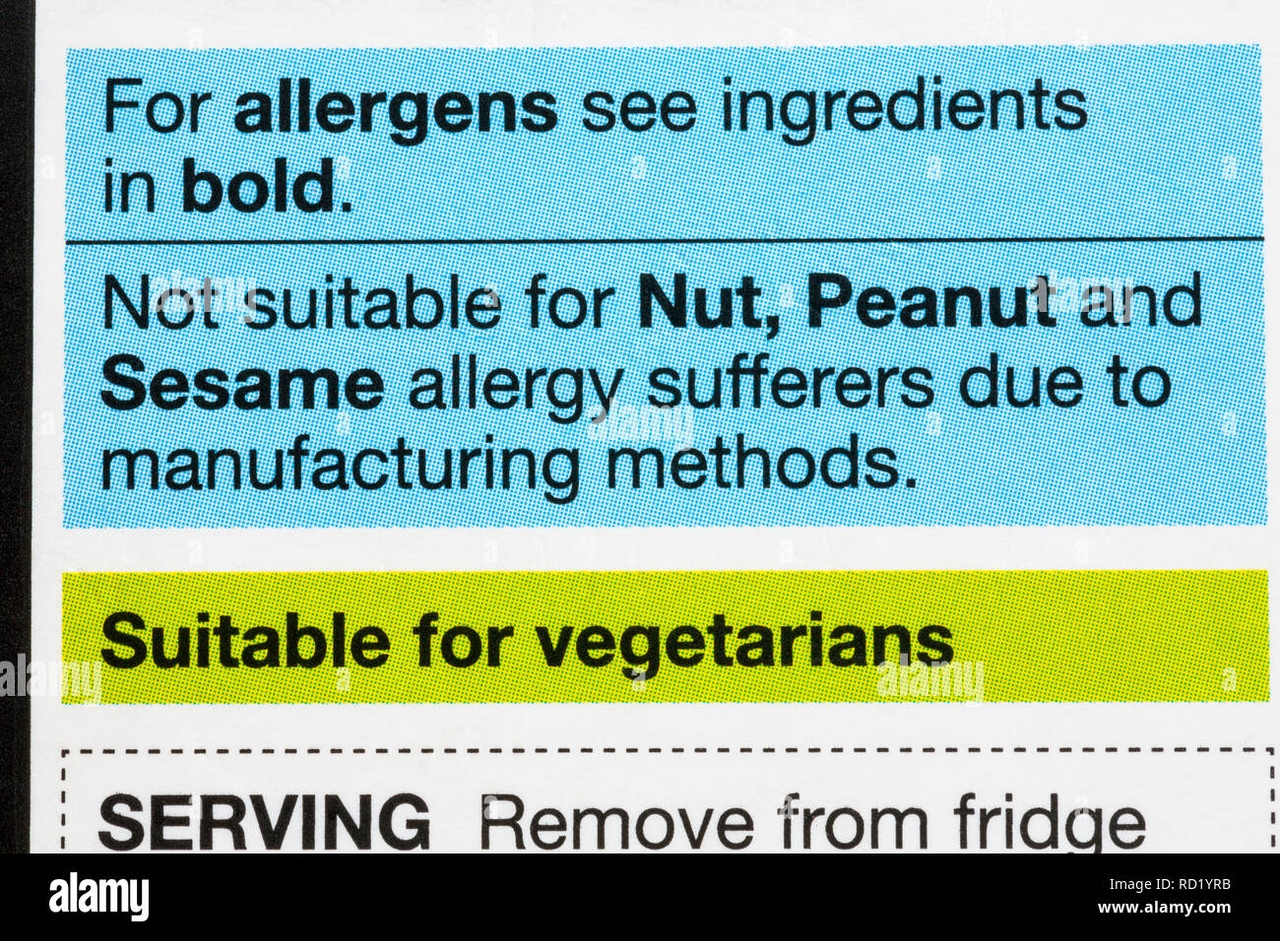
- Peanuts must be declared as an ingredient on packaging under EU Directive 2007/68/EC, as they are among the substanc
- This accidental contamination can occur at food processing companies both with and without peanut. Examples include bakery prod
3. Safeguarding those with allergies
- For people with a peanut allergy, it is vital that they can rely on the accuracy of food labels. If a product is declared
- Therefore, production areas and the final products must be carefully checked. This includes applying hygiene meas

4. The key benefits of monitoring the peanut allergen
- Consumer safety: protects those allergic to peanut from potentially life-threatening allergic reactions by ensuring detection and la.
- Regulatory compliance: helps manufacturers comply with food allergen labelling regulations, such as the mandatory rules in
- Quality assurance: maintains the integrity and safety of the food product by accurately identifying and quantifying the peanut allergen.
- Cross-contamination prevention: ensures the food production environment is free of the peanut allergen, preventing cross-contamination and keepin
- Advanced detection methods: using detection techniques with high sensitivity and specificity, such as the ELISA and PCR methods, to detect and
5. Conclusion
- Monitoring the peanut allergen is essential to protect consumer health, ensure regulatory compliance and reassure customers
- This proactive approach supports robust allergen management, upholds food safety standards and builds trust in
Our product catalog of peanut allergen test kits includes
* Rapid peanut allergen test kit:
bioavid Lateral Flow Peanut incl. Hook line BLH706-15
* The ELISA peanut allergen test kit:
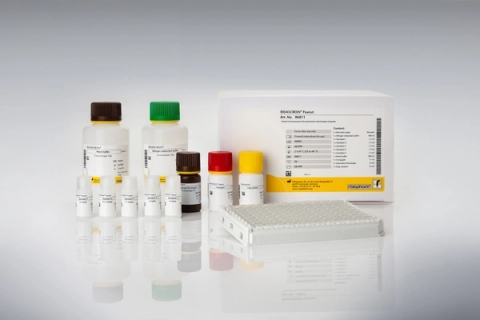
RIDASCREEN®FAST Peanut R6811
* The PCR peanut allergen test kit:
- SureFood® ALLERGEN 4plex EU NUTS S3404
- SureFood® ALLERGEN Peanut S3603
- SureFood® ALLERGEN 4plex Peanut/ Hazelnut/ Walnut + IAC S3402