
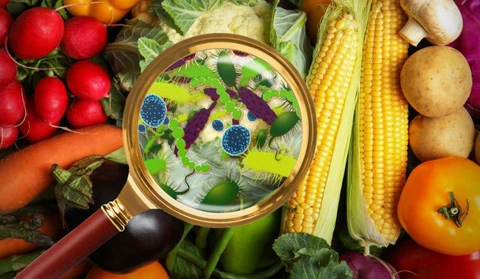
These regulations are based on international food safety standards, such as Codex and ISO, to ensure products meet safety requirements when consumed. Some popular National Technical Regulations on microbial contamination in food include:
1. QCVN 8-3:2012/BYT - Microbial limits in food
National technical regulation on microbial limits in food. This regulation sets out specific limits for some types of microorganisms as follows:
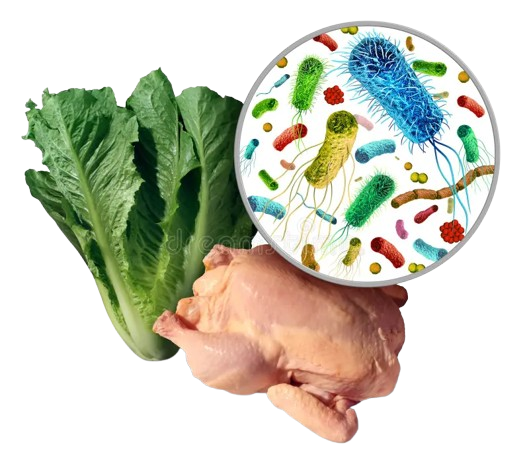
– Salmonella: must not be present in 25g of sample for products such as milk, meat, seafood, and processed foods. This bacterium causes food poisoning with severe symptoms.
– Escherichia coli (E. coli): has specific limits for each type of food, especially foods eaten raw such as fresh fruits and vegetables and meat products. E. coli can cause intestinal infection.
– Staphylococcus aureus: is tightly controlled in processed foods and dairy products. This bacterium can cause food poisoning through toxins produced when food is not stored properly.
– Clostridium perfringens: is limited in heat-treated and packaged products, because this bacterium is able to produce heat-resistant toxins if not processed thoroughly.
– Total coliform: a hygiene indicator, reflecting the level of contamination of the food and the production environment.
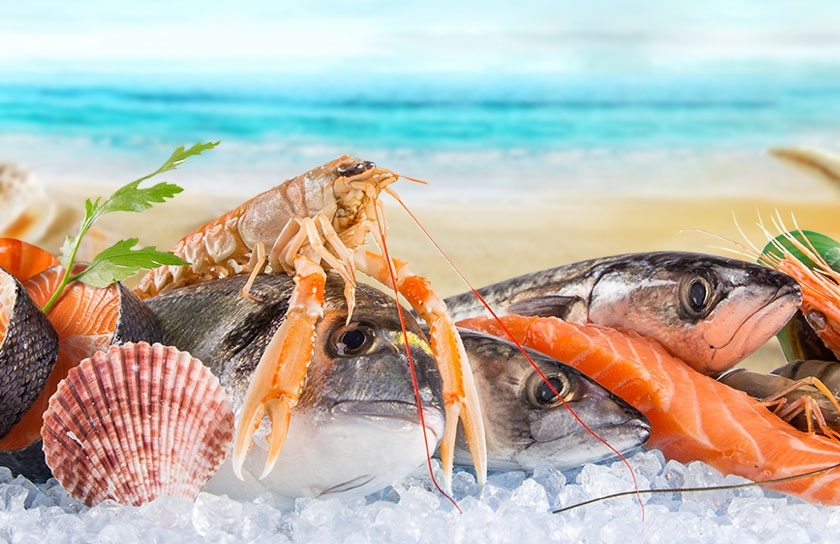
2. QCVN 9-1:2011/BYT - Microbial limits in seafood and seafood products
This regulation applies to seafood products and sets the following limits:
– Vibrio parahaemolyticus: specific limits for live or frozen seafood products, because this bacterium is often associated with food poisoning outbreaks from seafood.
– Vibrio cholerae: is not permitted in seafood products, especially products consumed directly, because this is the cause of cholera.
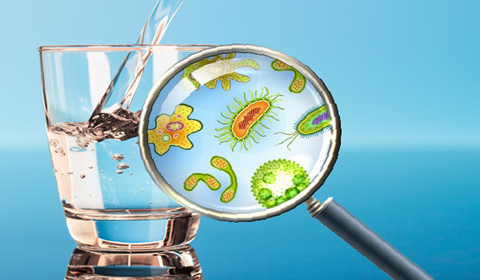
3. QCVN 10:2011/BYT - Microbial limits in bottled drinking water and beverages
This regulation sets the levels of microorganisms permitted in the various types of drinking water, including
– E. coli and Coliform: must not be present in 250ml of drinking water sample, because the presence of E. coli and Coliform indicates a risk of fecal contamination.
– Pseudomonas aeruginosa: Must be controlled to avoid the risk of infection from the water source, especially for products intended for young children.
4. Microbiological testing and monitoring methods
– Microbial regulations require the use of appropriate testing methods such as:
– Colony count: Determine the number of microorganisms in a test sample to compare with the limit.
–Detection of specific pathogens: Such as PCR and ELISA testing methods to detect specific bacteria such as Salmonella, Listeria, E. coli.
– Refer to our detailed article on microbiological testing and monitoring methods in food here.
5. Requirements for food businesses
Food manufacturing and processing businesses must:
– Ensure hygiene standards throughout the production process, from raw materials to finished products.
– Conduct regular microbiological testing to verify that products meet standards before being released to the market.
– Apply measures to prevent cross-contamination between different types of food.
These regulations form the foundation for ensuring food safety and help businesses comply with national standards in food production and distribution. Controlling microorganisms in food not only protects consumer health but also helps enhance the reputation and quality of the food industry.