How do mycotoxins get into animal feed? What health risks are there? As a livestock owner, this is important information!
What are mycotoxins?
- Mycotoxins are secondary metabolites, unlike substances produced in normal metabolism, and are formed only by individual mold species.
- Mold growth and mycotoxin production are determined by environmental conditions. Basic factors include: prolonged rainy periods during flowering, prolonged drought periods, or severe climate change.
- Mycotoxins can cause digestive disorders, however, they can also weaken the immune and nervous systems. Besides aflatoxin , other mycotoxins such as ochratoxin A can cause genetic damage and may promote tumor formation. The toxic effects of mycotoxins on animals - may vary depending on the species. For example, pigs are particularly susceptible.
How mycotoxins get into animal feed ?
- When animal feed contains contaminated herbal ingredients, carnivorous animals such as cats, dogs, and even rabbits and birds may face harmful health effects. Moreover, when fed dry feed, animals have a higher risk of poisoning due to the higher grain content, which is relatively lower in wet feed.
- Mycotoxin Aflatoxin is particularly dangerous to the health of livestock. However, other mycotoxins such as ochratoxin, zearalenone, DON and fumonisins can also cause chronic diseases. Rabbits, guinea pigs, birds, etc. are also at risk.
How dangerous are mycotoxins to livestock?
- The clinical effects of mycotoxins can vary. Depending on the dose and type of toxin, mycotoxins can act acutely or chronically. Some mycotoxins can cause cancer and destroy genetic material; others are harmful to the nervous system, blood formation, skin and reproductive capacity.
- Currently, guidelines or limit values for mycotoxins in animal feed are not regulated in the EU.
- The first case of mycotoxins in dog food was reported in 1952. Since then, such cases have continued to be reported worldwide. As a result, in 2020, 28 dogs died and 8 became ill from food contaminated with aflatoxin .
How can animals be protected?
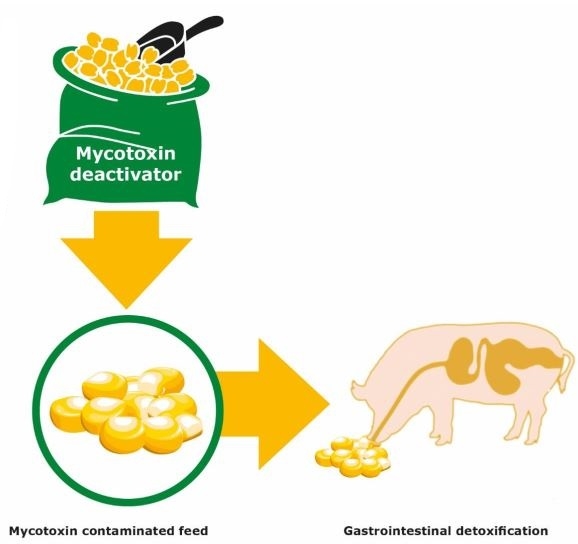
- The risk of dry food containing mycotoxins is particularly high because it contains many herbal ingredients. Therefore, animal feed must be stored in dry, cool conditions. Mycotoxins cannot be seen with the naked eye, so moldy food must be completely discarded.
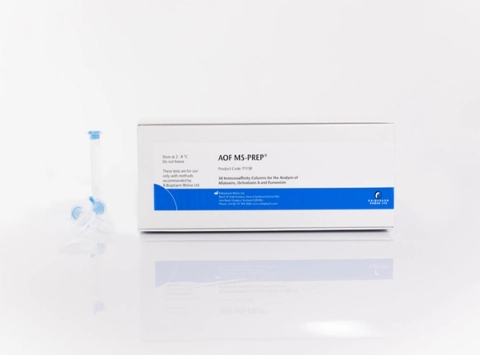
- However, it is the responsibility of manufacturers to ensure that animal feed does not contain mycotoxins. Testing must be carried out on animal feed throughout the entire production line. R-Biopharm provides a range of testing methods and analytical solutions for mycotoxin detection, for example the multi-mycotoxin immunoaffinity column 11+Myco MS-PREP® (product code RBRP128 / RBRP128B for the simultaneous detection of 11 mycotoxins.