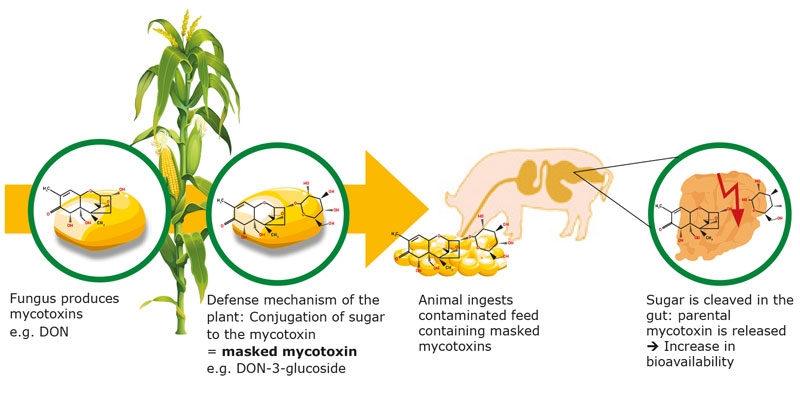
More dangerous than the mould itself is the toxin it produces, known as a mycotoxin. One of the most common mycotoxins is deoxynivalenol (DON).
- Mycotoxins such as deoxynivalenol are a problem for global agriculture – and a health hazard. It is estimated that one quarter of the food produced worldwide is contaminated with mycotoxins. Mycotoxins can be toxic even at low concentrations and cause acute and chronic damage. Hundreds of mycotoxins produced by different moulds are known today. Deoxynivalenol is a mycotoxin of the trichothecene group and is produced by moulds of the genus Fusarium . We have summarized what you should know about this toxin.
- How common is DON? DON is the most common mycotoxin in Europe and North America and is often found in cereals such as wheat, barley, oats and corn. However, the spread of mould depends on climatic conditions and varies by region and from year to year. Weather that changes with heavy rainfall during the flowering period of cereals favors mould growth. For example, in 2016, very high DON concentrations occurred in Central Europe. EU limit values were exceeded many times in some regions. In the following year, the Scandinavian countries were particularly affected.
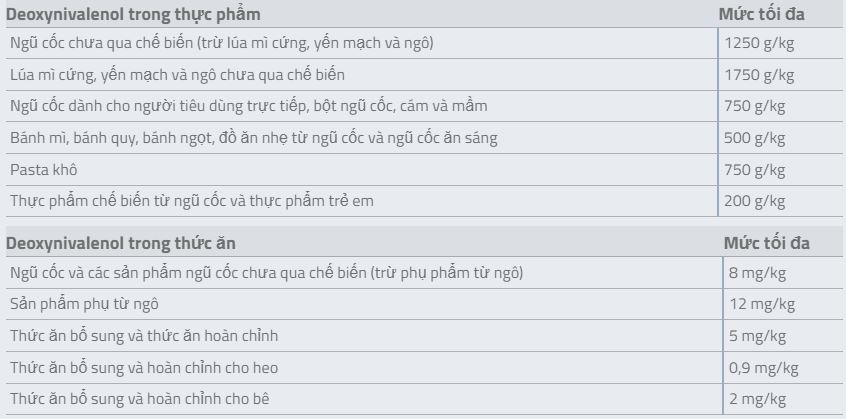
- There is no forecast for the 2020 harvest yet – but the spring, which was very wet in many places, may leave its mark. How dangerous is DON? DON has many toxic effects: it can cause acute poisoning, manifested by nausea and vomiting - which gives it the nickname "vomitoxin". Furthermore, it has immunosuppressive and cytotoxic effects and can cause kidney problems. In animals fed contaminated feed, DON can lead to loss of appetite, retarded growth and increased susceptibility to infections. Pigs are particularly sensitive to this toxin. What are the legal regulations? To avoid endangering human and animal health, most countries have set limit values for mycotoxin levels in food and feed. The following table shows the maximum levels that apply in the EU.
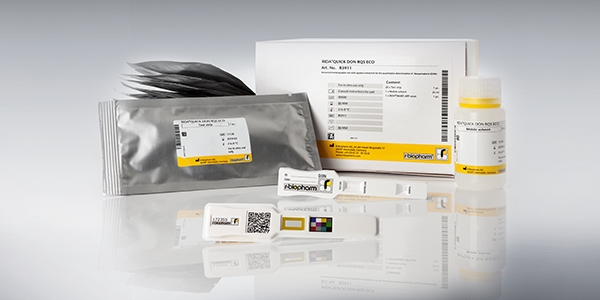
Comprehensive regulations require methods for detecting mycotoxins. Here, many companies have a special need for rapid tests so that they can check the mycotoxin content of grain as soon as it is delivered. On-site analysis with quantitative results in just 3 minutes is possible using the rapid immunochromatographic test RIDA®QUICK DON RQS ECO combined with the mycotoxin results reader software RIDA®SMART APP.