
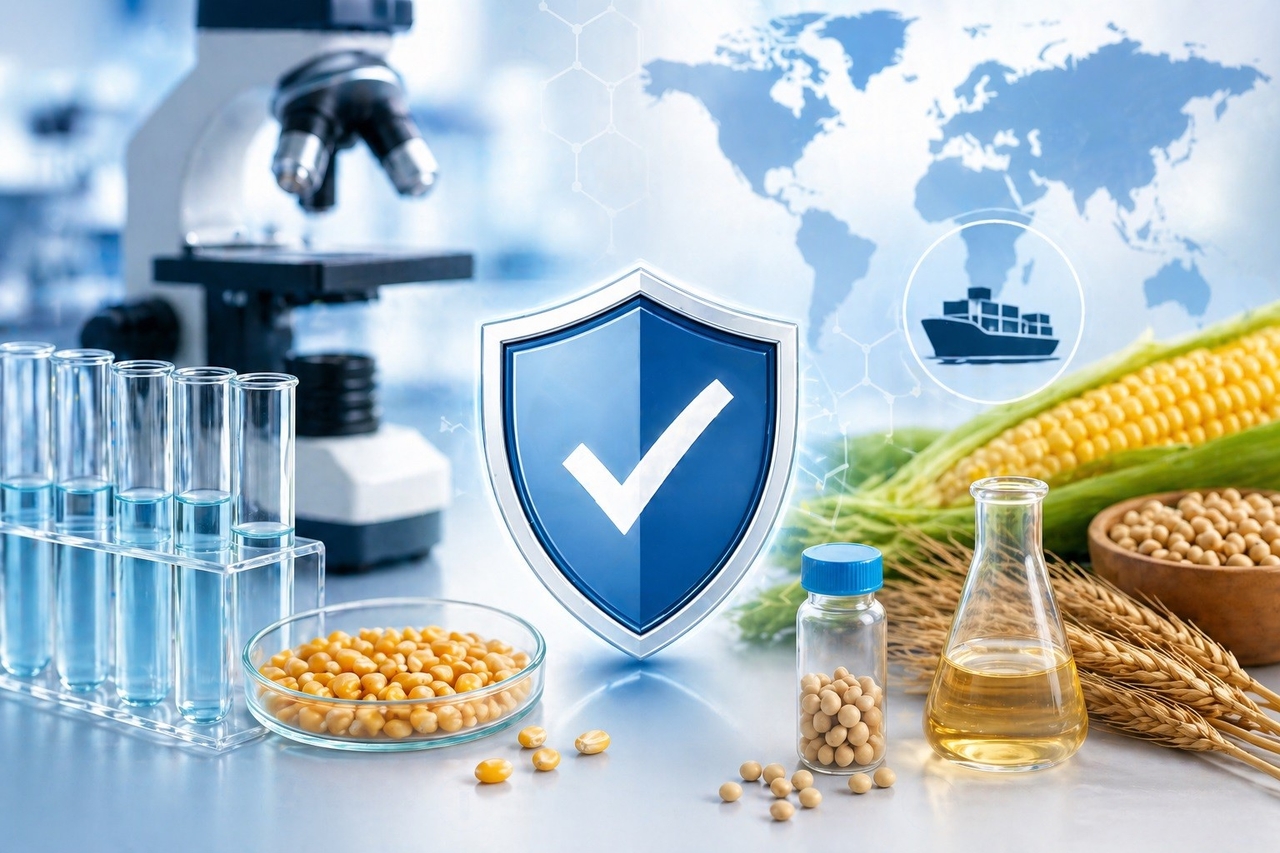
Especially in 2026, mycotoxin export standards are becoming ever stricter, forcing businesses to upgrade their quality control systems and adopt advanced testing solutions.
1. The ever-tighter demands from the EU and US markets
Major regulators such as the European Food Safety Authority (EFSA) and the Food and Drug Administration (FDA) constantly update regulations on g
- Detection limits keep dropping (ppb → ppt)
- More parameters to be tested (Aflatoxin, Ochratoxin A, DON, ZEA…)
- Random inspections and strict traceability
👉 This means any business that wants to export must meet mycotoxin export standards unless it is willing to risk:
- Returned shipments
- Import bans
- Brand reputational damage
2. Food testing trends: Accurate – Fast – To international standard
One of the most prominent food testing trends in 2026 is:
✔️ Raising accuracy
Methods such as:
- HPLC
- LC-MS/MS
are widely used to quantify mycotoxins with high precision.
✔️ Optimizing testing time
- Combining rapid tests (screening) and confirmatory tests
- Cutting result turnaround → faster shipping
✔️ Standardizing to international standards
- AOAC
- ISO 17025
- Codex Alimentarius
👉 This is mandatory for meeting mycotoxin export standards and competing in international markets.
3. The role of high-accuracy testing in the supply chain
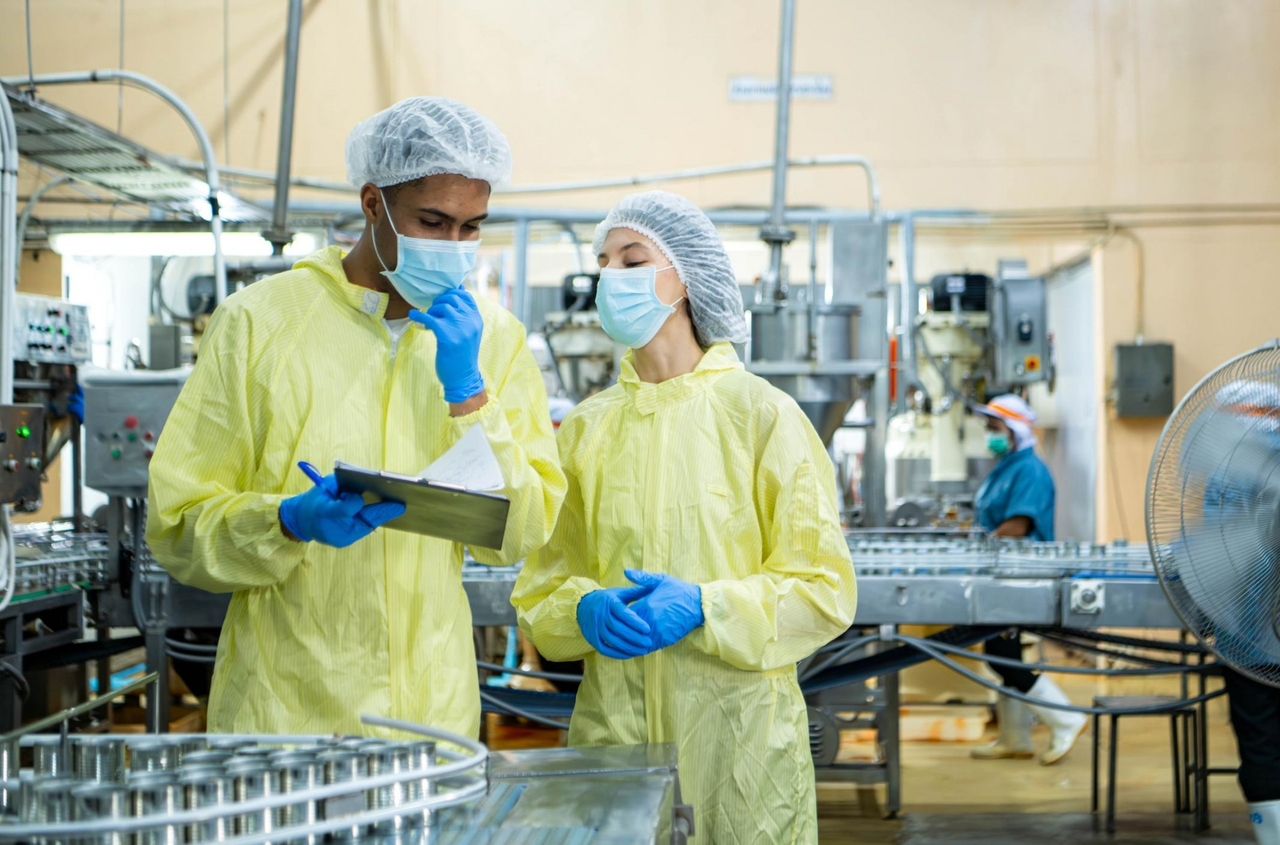
Testing is no longer the last step; it has become a thread running through the entire production chain:
- Incoming raw materials (maize, beans, wheat…)
- During production
- Finished goods before export
👉 Benefits:
- Lower risk of mold-toxin contamination
- Uniform quality control
- Fast responses to international audits
4. IAC – the “gold standard” in mycotoxin analysis
Among today's solutions, immunoaffinity columns (IAC) are regarded as the gold standard in mycotoxin sample preparation.
Why is IAC the top choice?
✔️ Extremely high selectivity
- Uses specific antibodies → only the target mycotoxin is retained
- Impurities are eliminated almost completely
✔️ Improved accuracy for HPLC/LC-MS/MS
- Less matrix interference
- Stable, reliable results
✔️ Time-saving sample preparation
- Simple procedure
- Fits labs that test large sample volumes
✔️ Internationally recognized
- Widely applied in standard AOAC and ISO methods
👉 With these advantages, IAC makes it easy for businesses to meet mycotoxin export standards and keep up with modern food testing trends.
5. What should businesses do to keep up with the 2026 trend?
- Invest in modern testing systems (HPLC, LC-MS/MS)
- Apply IAC in mycotoxin sample preparation
- Combine rapid and confirmatory tests
- Standardize procedures to AOAC/ISO
- Train specialized laboratory staff
Conclusion
2026 marks a powerful shift in food testing trends, especially for mycotoxin control. Businesses that want to export sustainably must:
✔️ Comply with mycotoxin export standards
✔️ Invest in high-accuracy testing
✔️ Adopt advanced technology such as IAC
These are not just requirements but competitive advantages that establish a company's position in international markets.
👉 See also the article Common mistakes when using IAC columns and how to fix them to reduce mycotoxin analysis error