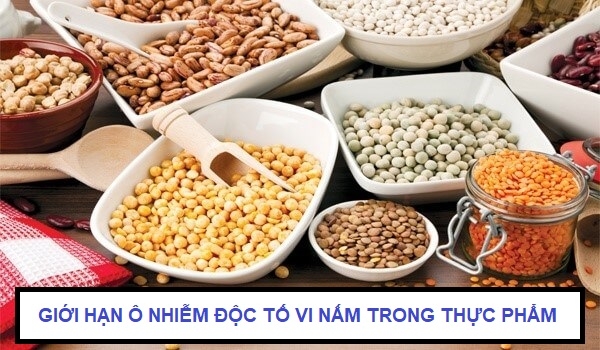
These toxins can persist in the environment and are not destroyed during food processing. Mycotoxin contamination occurs commonly in cereals, nuts, coffee, dried fruits, and some dairy products, especially under poor storage conditions. Consuming food contaminated with mycotoxins causes serious health effects such as cancer, immunosuppression, acute poisoning, and impacts on the nervous and endocrine systems.
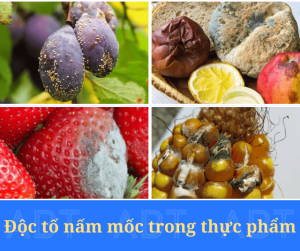
1. The main types of mycotoxins
Among the hundreds of mycotoxins, the highly toxic types most commonly found in food are:
– Aflatoxin: Produced by the fungi Aspergillus flavus and Aspergillus parasiticus, commonly present in corn, peanuts, nuts, and other foods.
– Ochratoxin A: Produced by the fungi Aspergillus ochraceus and Penicillium verrucosum, found in coffee, cereals, wine, and dried fruit.
– Fumonisin: Produced by Fusarium species, particularly common in corn and corn products.
– Deoxynivalenol (DON): Occurs from the fungi Fusarium graminearum and Fusarium culmorum in cereals.
– Zearalenone: Produced by Fusarium species, commonly found in corn and other cereals.
2. Mycotoxin regulations worldwide and in Vietnam
2.1. International standards (Codex Alimentarius)
Codex Alimentarius is the international food standards committee of the World Health Organization (WHO) and the Food and Agriculture Organization (FAO). Codex has established safety limits for mycotoxins to protect global consumer health, especially for the high-risk toxins. These standards are the basis for many countries setting their own regulations.
– Aflatoxin B1: maximum limit of 5 ppb (μg/kg) in corn and nuts.
– Total aflatoxin (B1, B2, G1, G2): up to 10 ppb in cereals and cereal products.
– Ochratoxin A: maximum limit of 5–10 ppb in cereals, coffee, and dried fruit.
– Fumonisin: up to 2 ppm (mg/kg) in corn and corn products.
– Deoxynivalenol (DON): up to 1 ppm for raw cereals.
– Zearalenone: limit below 100 ppb for cereals and cereal products.
2.2. Mycotoxin regulations in Vietnam
In Vietnam, food safety regulations include limits for mycotoxins in consumer products and animal feed. These regulations are issued by the Ministry of Health and the Ministry of Agriculture and Rural Development, aligned with international standards and the actual conditions in Vietnam.
– Aflatoxin: total aflatoxin in cereals and cereal products must not exceed 10 ppb.
– Ochratoxin A: up to 5 ppb for cereals, coffee, and dried fruit.
– Fumonisin: limit of 2 ppm in corn products.
– Deoxynivalenol (DON): up to 1 ppm for raw cereals and 0.5 ppm for processed cereal products.
– Zearalenone: up to 100 ppb in cereals.
3. Methods for detecting and controlling mycotoxins
To ensure food safety, testing, monitoring, and mycotoxin control methods are widely applied in the food industry:
– High-Performance Liquid Chromatography (HPLC) analysis: This method detects and quantifies mycotoxins with high accuracy.
– Gas chromatography (GC): Used to analyze volatile toxins, helping identify specific mycotoxins.
– ELISA method: Allows rapid detection of mycotoxins through an immune reaction. This method rapidly screens samples containing toxins, saving time and cost.
– Biological testing: Assessing the overall toxicity of the product through biological assays.
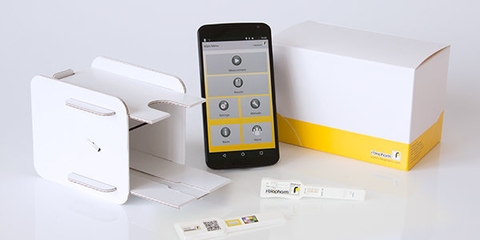
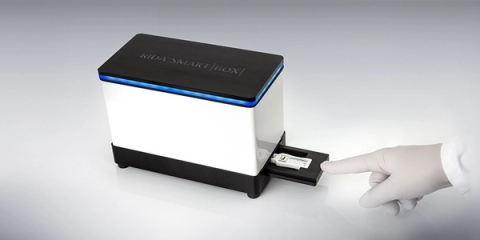
– Rapid quantitative mycotoxin testing method using the RIDA SMART APP software combined with the RIDA SMART BOX mycotoxin result reader from R-Biopharm.
Besides the detection methods, implementing preventive measures against mold growth in the food supply chain also plays an important role. To prevent the appearance of mycotoxins, control of the influencing factors is needed:
– Storage conditions: maintain appropriate humidity and temperature to limit mold growth.
– Use of plant protection measures: apply biological and chemical control measures during cultivation to reduce the chance of fungal infection.
– Periodic inspection: regularly test raw materials and products before packaging and distribution.
Mycotoxin regulations are an important part of the food safety standards system, aimed at protecting public health. Compliance with these regulations not only helps ensure product quality on the market but also helps businesses build consumer trust. All stakeholders need to cooperate closely to ensure food safety, thereby protecting public health and raising the reputation of the national food industry.
Please see our mycotoxin testing solutions at the following link:
https://pacificlab.vn/vi/shops/group/phan-tich-du-luong-doc-to/