How can they help mitigate the impact of aflatoxin in animal feed, and reduce aflatoxin M1 in milk? This blog article will explore these questions and emphasize the importance of binder technology amid the growing aflatoxin contamination risk.
- Mycotoxins, toxic metabolites produced by fungi such as Aspergillus flavus, continue to threaten the safety of food, feed, and animal health globally. Among them, aflatoxin B1 (AFB1) is especially worrying because of its carcinogenicity and its metabolite aflatoxin M1 (AFM1), which can contaminate milk when dairy cows eat contaminated feed. Recent alerts and studies highlight the urgency of implementing effective mitigation strategies, particularly against the rising aflatoxin concentrations in maize from the Balkan region.
Climate change is raising Aflatoxin in Balkan maize
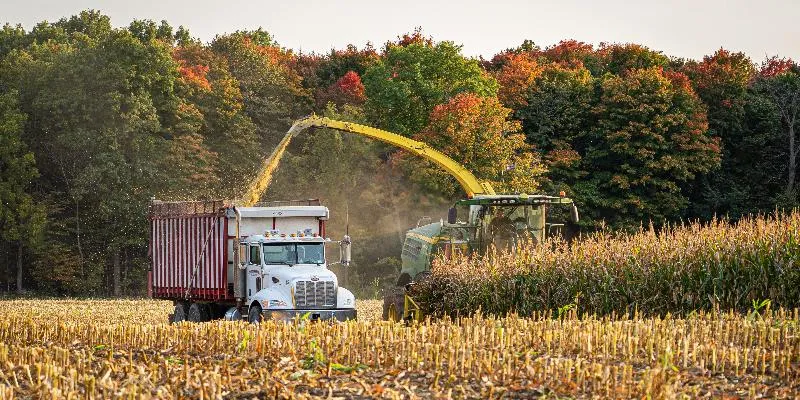
- A recent study from Serbia and Croatia shows that hot, dry weather conditions, caused by climate change, have significantly increased aflatoxin contamination in maize. In 2021, Aflatoxin B1 was found in 84% of maize samples in Serbia and 40% in Croatia, compared with below 10% in previous years. Drought and high temperatures create ideal conditions for Aspergillus flavus to grow, leading to more toxin production.
- A 2023 study from Serbia confirmed the presence of Aflatoxin B1 in maize and animal feed, and of Aflatoxin M1 in cheese and milk — highlighting the need for effective mitigation strategies.
- This trend is not unique. The international GMP+ risk classification for the 2025/2026 harvest designates Serbia and Romania as high-risk countries for aflatoxin contamination in maize. This classification requires regular testing.
Mitigating the impact of mycotoxins with binder technology
Mycotoxin binders are an important tool for reducing the harm mycotoxins cause to animals and their passage into animal-derived food products such as milk. These substances bind to mycotoxins and block their absorption through the intestine. Aluminosilicate binders, such as bentonite and zeolite, are commonly used because of their porous silica-based structure. While highly effective against aflatoxin, they are less effective against other mycotoxins such as DON, and can also absorb vitamins and trace minerals. Performance can be improved through modification and the addition of organic components, as shown in a recent study published in Nature Scientific Reports.
EU regulations on mycotoxin binders and compliance
Under Commission Implementing Regulation (EU) No. 1060/2013, bentonite is approved as a technological feed additive for all animal species, including dairy cows, and is used as a mycotoxin binder. The product must demonstrate safety and effectiveness under the proposed conditions of use, making analytical verification a mandatory regulatory and commercial requirement. In the United States, the FDA has not approved any specific mycotoxin binder for binding mycotoxins, but mycotoxin binders are still in use and are commonly labeled as "flow agents", "digestive aids", or "anti-caking agents", which is permitted.
How to test the effectiveness of mycotoxin binders: in vitro and in vivo methods
- Several studies confirm that mycotoxin binders in general can significantly reduce Aflatoxin M1 concentrations in milk. Each binder's effectiveness is verified in vivo with feeding trials, which are costly and time-consuming. In vitro mycotoxin binding analysis serves as a laboratory screening tool for assessing a substance's toxin-binding capacity. For mycotoxin binder manufacturers, the Trilogy Analytical Laboratory provides ISO/IEC 17025:2017-certified in vitro binding efficacy studies, simulating the animal's digestive conditions to evaluate mycotoxin adsorption and desorption.
Trilogy's mycotoxin binder efficacy study procedure
The process involves the following steps:
- Request a quotation: define the study parameters such as the adsorption pH, the desorption pH, the inclusion ratio, and the mycotoxin concentration.
- Submit samples: once the quote is accepted, fill in the sample submission form and send your samples to the Trilogy Analytical Laboratory in the USA.
- Challenge the binder: samples are tested by the HPLC method.
- Report results: receive a detailed certificate of analysis.
- This service lets manufacturers optimize formulations, demonstrate effectiveness, and ensure compliance before investing in costly field trials. Are you ready to verify your binder's performance?
Why rapid testing and binder verification matter
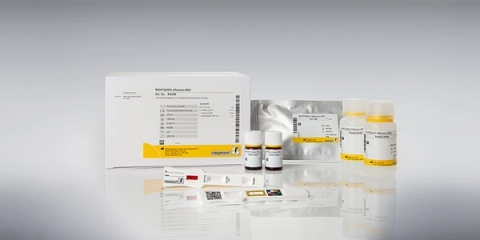
- With mycotoxin contamination risk on the rise, you need to make fast decisions. Raw feed materials are being imported, and a rapid quantitative mycotoxin test such as RIDA®QUICK Aflatoxin RQS, an aflatoxin test verified for performance by FGIS (GIPSA), delivers fast, reliable results. The results can be uploaded to a dedicated cloud system such as RIDA®SMART UNIVERSE and shared with stakeholders.
- These data are particularly useful when adding mycotoxin binders to the feed formulation. Based on the aflatoxin concentration found in the raw material, the optimal binder concentration can be calculated.
Conclusion
With the risk of aflatoxin contamination rising — particularly in Balkan maize due to heat and drought — vigilance is necessary. Cooperation across the food and feed industry, combined with scientific innovation, regulatory awareness, and analytical capability, will help assure the safety of food and animal feed. R-Biopharm is proud to support companies in providing safe, effective, and compliant solutions for feed and milk safety.