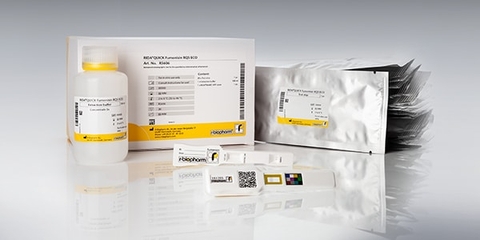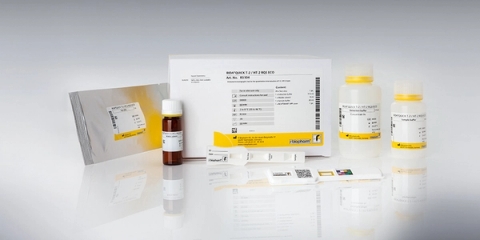
Farmers in Africa face many challenges: drought threatens the harvest. The lack of modern equipment often leads to reduced crop yields. Moreover, mycotoxins (toxic metabolic products formed by external factors) are a major threat. Consuming contaminated crops can cause serious illnesses. Aflatoxin, a mycotoxin, is found mainly in corn, peanuts and grains such as millet and rice and is particularly harmful. Aflatoxin is carcinogenic, immunosuppressive, mutagenic and damaging to the kidneys, intestines and liver. The following figures show the mycotoxin risk as follows:
- 25% of all food crops worldwide are affected (source). Africa is particularly affected: in Kenya, for example, 40% of maize is contaminated with aflatoxin (source).
- More than 4,5 billion people in developing countries are chronically exposed to aflatoxin through their diet (source).
- Experts believe aflatoxin is responsible for one third of liver cancer cases worldwide (source). The incidence rate is particularly high in Africa: in Mozambique, for example, the liver cancer rate is reported to be 60 times higher than in the United States (source).
- A recent study conducted in Kenya shows that aflatoxin causes chronic malnutrition and developmental disabilities in children (source).
- The estimated annual loss for African food exporters in grain, nuts and dried fruit that do not meet strict EU aflatoxin standards is 670 million US dollars (source).
- However, there is still very little awareness of the mycotoxin risk in developing countries. Many farmers apply methods that promote the growth of mold – such as drying corn without needing to remove the husks or leaving the harvest in simple nylon bags. It is important to inform farmers and traders about the invisible toxins in crops and provide them with measures that can prevent the formation of mold during storage and transport.
R-Biopharm has researched and brought to market a completely new technology that helps farmers as well as lab technicians reduce the burden of the issues mentioned above.
- Another important measure to reduce the mycotoxin risk to public health is to implement comprehensive testing systems to detect mycotoxins. However, these testing systems are very expensive and simply unreasonable for many farmers, who are usually poor farming households or family-run businesses. Inexpensive and easy-to-use tests are therefore much needed. In 2013, Mobile Assay, a pioneer in this field, developed a smartphone application to detect aflatoxin, in cooperation with several universities and research institutes and funded by the Bill & Melinda Gates Foundation.
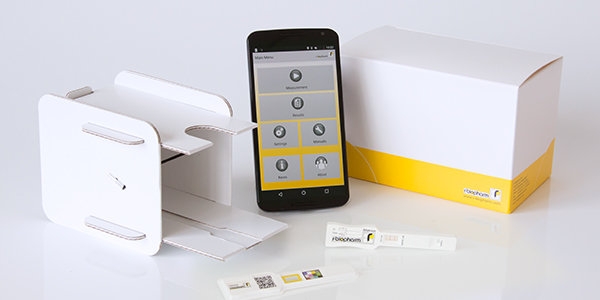
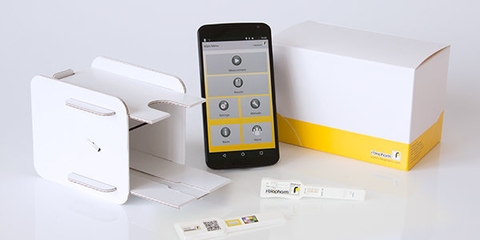
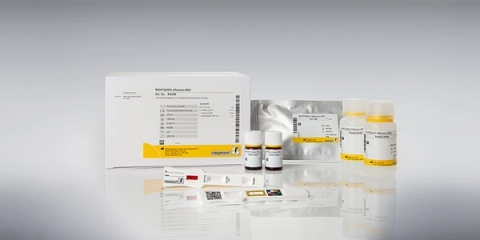
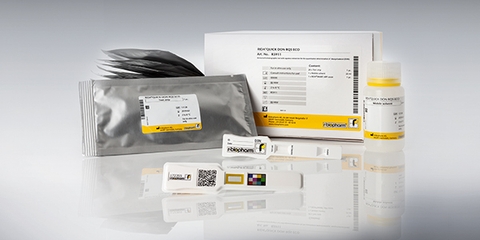
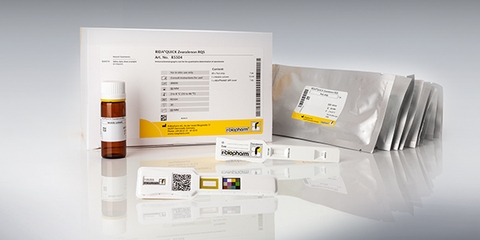
- By using the smartphone application RIDA®SMART APP from R-Biopharm, you can quantitatively analyze all relevant mycotoxins (aflatoxin, DON, zearalenone, fumonisin and T-2 HT-2) in grains quickly and easily. The principle is very simple: after the test has been performed with the accompanying device, the test strip is photographed with the smartphone camera. The smartphone analyzes the color intensity of the test strip and displays the test result directly.
Source: food.r-biopharm.com