
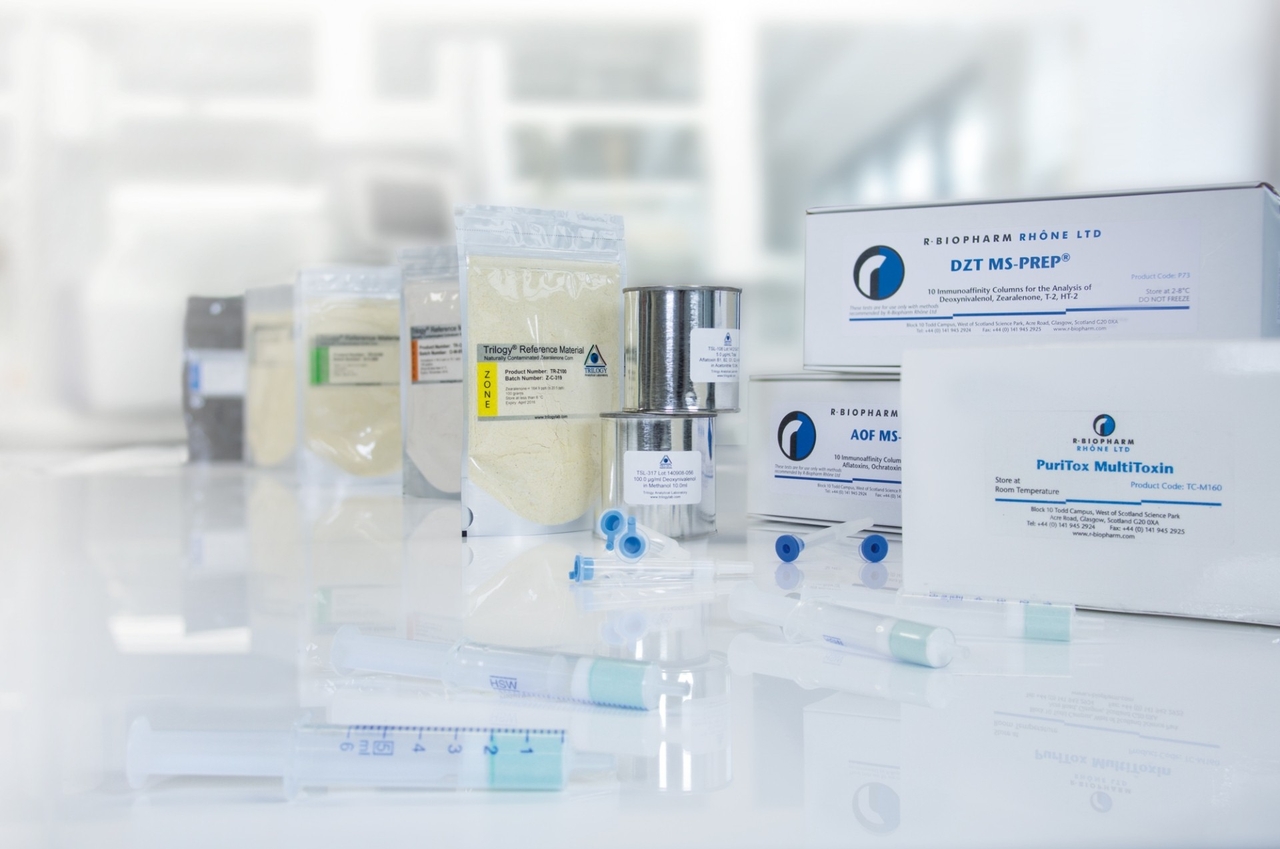
- Laboratories have several options for analyzing different types of mycotoxins, each with its own advantages and limitations. The choice of method usually depends on factors such as sensitivity, recovery, selectivity, and cost.
- This article explores the shift toward multiple mycotoxin types and the reasons behind laboratories' preferences based on their specific operational requirements.
1. Multi-mycotoxin analysis with complex sample matrices
- In many cases, the decision on which mycotoxin analysis method and equipment to use depends on the commodity being tested, the mycotoxins present, and current legal requirements.
- For example, spices are commonly tested for aflatoxin and ochratoxin A because legislation only applies to these two mycotoxins. In addition, aflatoxin and ochratoxin A levels in spices are usually low, and recent legislation has lowered the legal limits, requiring these laboratories to use methods with optimal sensitivity. Spices are also extremely complex commodities that must be cleaned up thoroughly before analysis. For these reasons, many laboratories prefer HPLC with fluorescence detection over LC-MS/MS for analyzing aflatoxin and ochratoxin A.
- Naturally occurring ochratoxin and aflatoxin can be derivatized to enhance fluorescence, improving sensitivity and favoring HPLC with fluorescence detection over LC-MS/MS. Immunoaffinity columns (IAC) are often used with HPLC fluorescence to detect aflatoxin and ochratoxin A in spices to further improve sensitivity. In addition, both toxins can be analyzed simultaneously by HPLC with fluorescence detection in a single run, saving time, solvent, and consumables.
- For other laboratories, SPE columns are a popular choice offering a balance of cost, simplicity, and effectiveness. SPE columns are typically more affordable when used with HPLC or LC-MS/MS for simple commodities such as cereals, and for commodities containing mycotoxins with higher legal limits. The lower cost makes SPE columns a practical choice for routine screening, especially in high-throughput laboratories. SPE columns are easy to use and require no in-depth training or specialized equipment. This simplicity translates into faster processing time and higher throughput. SPE is particularly effective for screening cereals and animal feed, where moderate sensitivity and selectivity are usually sufficient. They make an excellent preliminary test to identify samples that may need further analysis or confirmation.
- For commodities containing many types of mycotoxins, Liquid Chromatography-Mass Spectrometry (LC-MS) combines the separation capability of liquid chromatography with the detection capability of mass spectrometry, offering unmatched sensitivity and selectivity. This method is ideal for detecting low mycotoxin levels in complex sample matrices, but it comes with a significant financial investment. In addition, several forms of cleanup are commonly recommended, from the use of basic QuEChERS salts and SPE column cleanup to more specific immunoaffinity columns.
- For more complex commodities such as infant food, and for situations demanding higher sensitivity, IAC offers distinct advantages. IAC uses specific antibodies that bind to the target mycotoxins, providing superior cleanup over SPE. This results in lower matrix interference and more accurate quantification. The high specificity of the antibodies in IAC allows the analytes to be concentrated, enhancing the method's sensitivity. This makes IAC ideal for detecting low mycotoxin levels in complex sample matrices such as spices, nuts, and dried fruit. Where the sample matrix is more complex or the legal limits for mycotoxins are very low, IAC is often the method of choice. The improved cleanup and sensitivity ensure compliance with stringent safety standards.

2. Choosing multi-mycotoxin analysis methods
- Choosing the appropriate method for analyzing multiple mycotoxins depends on many factors, including specific requirements for sensitivity, recovery, selectivity, and cost. While SPE offers a cost-effective, easy-to-use solution suitable for routine screening of cereals and animal feed, IAC offers the higher sensitivity and specificity needed for more complex sample matrices and stringent regulatory standards. By understanding the strengths and limitations of each method, laboratories can make informed decisions that best meet their analytical needs and resource constraints.
- In addition, integrating these columns with automation can enhance efficiency and reproducibility in mycotoxin analysis. We also provide comprehensive application notes to help you optimize your testing protocols.
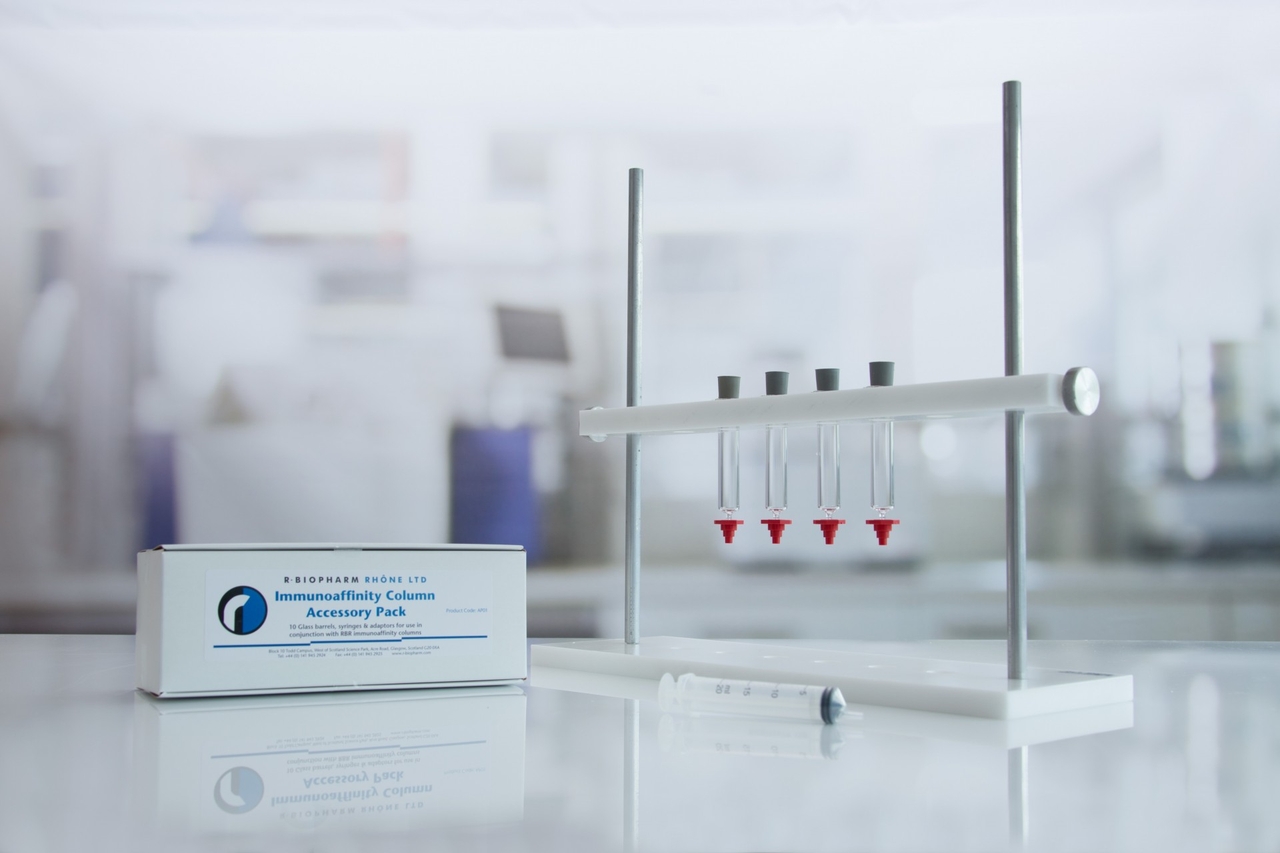
- For more detailed information on the latest advances in mycotoxin analysis and how to improve your testing capability, contact us today. Or customers can refer to the multi-mycotoxin immunoaffinity column products we offer here.