Lactose intolerance is caused by a deficiency of an enzyme needed to break down lactose (milk sugar). A milk allergy, on the other hand, is a true food allergy caused by the allergenic components of milk protein. Understanding this difference is very important for correct diagnosis and management.
1. Allergy-causing proteins in cow's milk
Cow's milk contains several proteins capable of causing allergy, the most significant being casein and ß-lactoglobulin. These proteins can cause a range of allergic reactions in sensitive people, which makes being aware of their presence in many kinds of food essential.
2. Casein: one of the main allergens in milk
- Casein allergy is one of the main allergies in milk. It plays an important role in cheese production and is found mainly in cheese, quark, yogurt, cream, and butter. Casein is also found in baked goods, chocolate, wine, and meat products.
- Because casein is present not only in cow's milk but also in sheep's milk, goat's milk, and other kinds of milk. This widespread presence means that people with a casein allergy must stay alert when checking food labels and ingredient lists.
3. ß-lactoglobulin: a whey protein allergen
ß-lactoglobulin is a whey protein found in fresh milk and hydrolyzed dairy products such as hydrolyzed infant formula and protein-hydrolyzed animal feed. It can trigger allergic reactions in people who are sensitive to this protein.
4. How to test milk in food
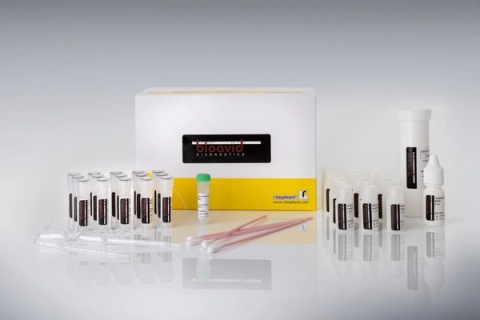
Testing for milk in food is essential to ensure safety for people with a milk allergy. PacificLAB supplies a range of test kits for detecting milk components:
- Enzyme-linked immunosorbent assay (ELISA) is a widely used technique for detecting specific milk proteins with high sensitivity and accuracy.
- Rapid-test-format assays provide a quick and easy on-site solution. These tests are user-friendly, delivering results within minutes without laboratory equipment.
- By using ELISA assays and rapid-test methods, you can make sure your products are safe for consumers with a milk allergy and meet labeling requirements.
5. The importance of labeling and testing for milk allergens
- Milk must be labeled as an allergen in many countries. This labeling helps consumers identify foods containing milk so they can avoid products that could trigger an allergic reaction.
* The main benefits of monitoring milk allergens
- Consumer safety: Protecting people with a milk allergy from serious allergic reactions through accurate allergen detection.
- Regulatory compliance: Helping manufacturers comply with food allergen labeling regulations and avoid costly recalls.
- Quality assurance: Maintaining the integrity and safety of food products by identifying and quantifying milk allergens.
- Preventing cross-contamination: Ensuring food production environments are free of milk allergens, preventing accidental traces in other products.
- Advanced detection methods: Using sensitive ELISA assays and other advanced techniques to detect even the smallest traces of milk allergens.
Monitoring allergens from milk is essential to protect consumer health, ensure regulatory compliance, and maintain product quality.
* See the catalog of test kits we supply at the following links:
https://pacificlab.vn/vi/shops/thuc-pham/kit-test-nhanh-di-ung-sua-bioavid-lateral-flow-milk-bl623-15-cai-tui.html
https://food.r-biopharm.com/products/ridascreenfast-beta-lactoglobulin/
Source: food.r-biopharm.com