
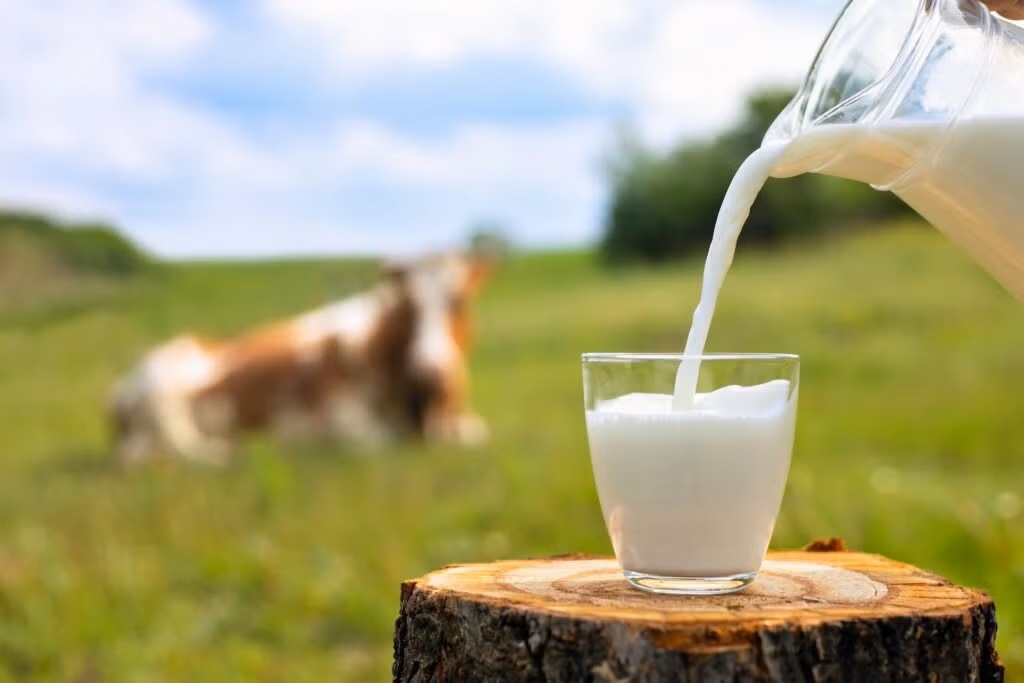
- In recent years, milk has lost a lot of its reputation: People say that milk makes people sick, obese and tired. Many people have reduced their milk consumption for health or ethical reasons. However, milk contains many valuable nutrients. Milk is the best source of calcium and moreover it contains sodium, magnesium, potassium, zinc, carotene, protein, vitamins and essential amino acids. Milk substitutes such as soy milk, rice milk or almond milk usually contain far fewer nutrients.
- Manufacturers carry out various tests to ensure that milk reaches consumers in good condition and intact. In particular, microbiological analysis is extremely important because the high water and protein content makes milk very perishable. Most spoilage organisms are destroyed by pasteurization. However, subsequent contamination can occur due to poor hygiene. In addition, foods such as fresh milk and cheese made from fresh milk cannot be heated and are therefore particularly prone to spoilage. The following 7 microorganisms are especially problematic when processing dairy products.
1. Salmonella
- Salmonella is one of the main causes of food poisoning. The World Health Organization (WHO) estimates that the number of infections worldwide will reach about 16 million cases per year, of which more than half a million are fatal. Salmonella is killed by pasteurization. However, fresh milk and products made from dry milk are easily spoiled .
2. Listeria bacteria
Infection with Listeria monocytogenes has been a major problem for the dairy industry in recent years. Considering 2017 alone, RASFF published 7 notifications related to Listeria monocytogenes in milk and dairy products.
3. E. coli
- Some species of bacteria E. coli produce shigatoxin that can cause symptoms such as diarrhea and stomach pain, sometimes even leading to life-threatening complications such as hemolytic uremic syndrome. Although E. coli are killed by pasteurization, but infections from dairy products still occur frequently. Last year, Germany was affected by a large recall of UHT milk, and recently, contaminated goat cheese was recalled in France.
4. Pseudomonas bacteria
Pseudomonas is an opportunistic pathogen. The species Pseudomonas fluorescens is one of the most common spoilage agents in milk. The enzymes produced by Pseudomonas are heat resistant and can survive the pasteurization process.
5. Bacillus cereus
- The bacterium Bacillus cereus causes spoilage of cream, cheese and milk and makes them taste rancid, sour or bitter. In addition, it produces toxins that can cause serious digestive disorders. In February this year, a discount store in Germany had to recall UHT whole milk due to contamination with Bacillus cereus. Strict observance of the cold chain is essential to prevent bacterial growth. The spores of Bacillus cereus can survive heat treatment.
6. Clostridium bacteria
Clostridia produce heat-resistant spores that can survive pasteurization at least partially.Clostridium tyrobutyricum in milk is a serious problem for the dairy processing industry, especially in cheese production. This is an anaerobic, spore-forming bacterium that can cause the phenomenon of late blowing of cheese (late blowing defect), reducing product quality and causing significant economic damage. Clostridia usually enter milk through feed, hay or contaminated manure.
7. Campylobacter bacteria
- Campylobacter, especially the species C. jejuni , along with salmonella, is one of the main causes of foodborne diarrhea. No more than 500 bacteria are needed to cause an infection. In most cases, Campylobacter affects raw milk.
Do you want to make sure that your production line is free of harmful microorganisms? We provide effective solutions for microorganism detection and would be glad to support you.
👅Read more of our related articles
- Microbiological testing of milk with Compact Dry plates | Shimadzu
- Milk and dairy product quality testing
Source: food.r-biopharm.com