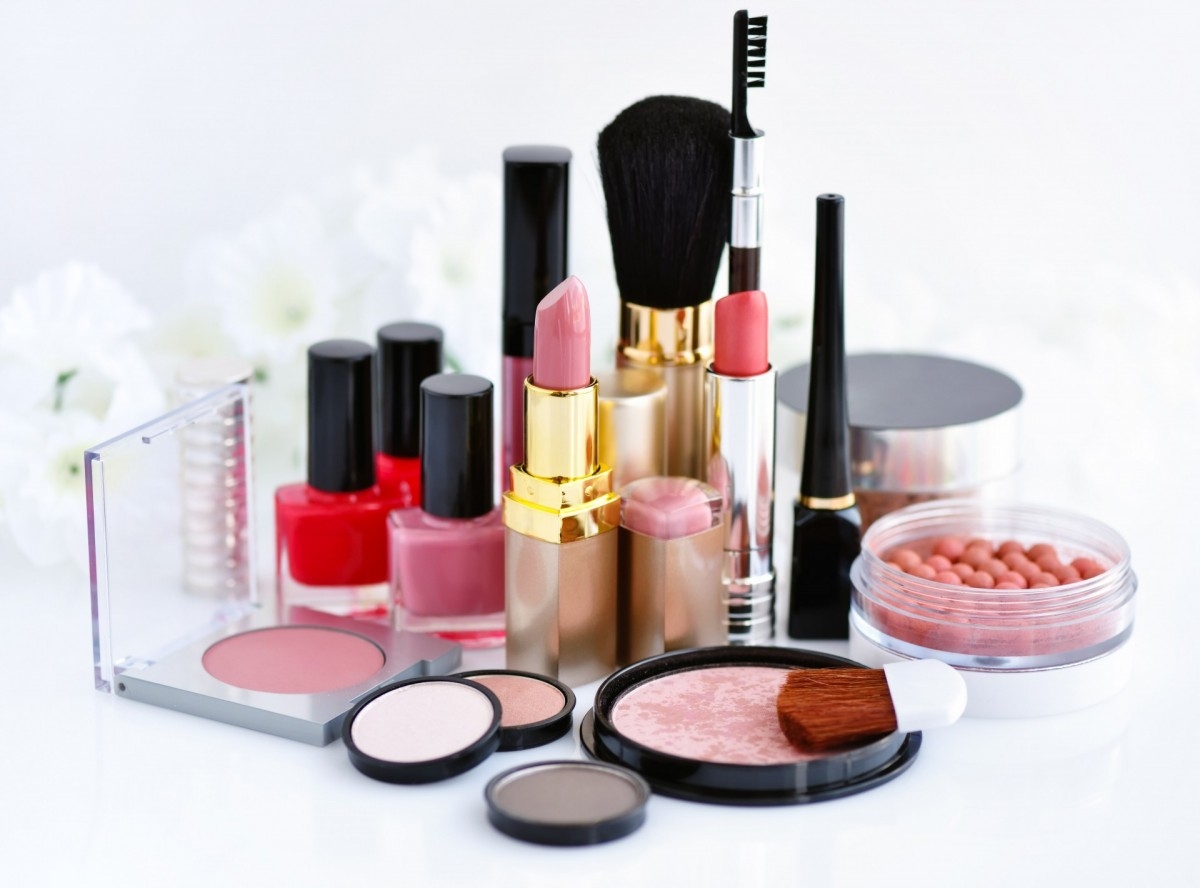
Microorganisms in cosmetics spoil the product and can be dangerous to consumer health.
- Cosmetics provide the optimal environment for bacterial contaminants: With proteins, sugars, vitamins, oils and water, they contain everything microorganisms need to grow. A neutral pH value and storage in a warm, humid bathroom help create an ideal environment for bacteria and mold. Through hands and mouths, many microorganisms enter the product. Sometimes the product is already contaminated during production, for example from contaminated raw materials.
- However, bacterial contaminants can cause dangerous infections in infants and the elderly or sick people. In addition, some molds and bacteria produce toxins that can cause allergic reactions and skin irritation.
To reduce contamination, we should take the following actions related to Microbiological Quality Management:
- Apply good manufacturing practice principles
- Apply and check limit values
- Use preservatives
1. Preservatives in Cosmetics: Important or Harmful?
- Preservatives are essential in cosmetic manufacturing because they kill or inhibit the growth of microorganisms. Without preservatives, most water-based cosmetic products would have a shelf life of only 2 weeks. Only a few cosmetic products are stable without added preservatives. These products include those with essential oils or a high alcohol content as well as products with little or no water.
- Therefore, preservatives are very important to keep cosmetics from spoiling and to inhibit the growth of potentially dangerous microorganisms. However, not all substances usable as preservatives are harmless to the consumer. For example, parabens have endocrine effects; benzoic acid can cause pseudo-allergic reactions. Vietnamese cosmetics regulations list all preservatives permitted in cosmetic products.
- In addition, some natural materials contain substances considered to have antimicrobial properties. Examples include propolis, cinnamon bark, galangal oil, black pepper oil, amla oil, tuberose oil, rose oil and patchouli. However, these substances have not yet been sufficiently studied for use as preservatives in the cosmetics industry.
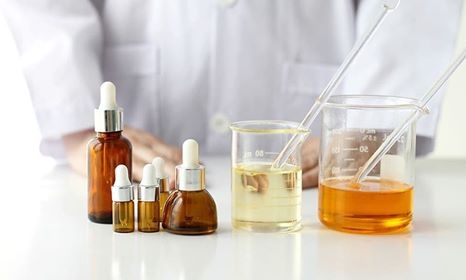
2. Method for analyzing microorganisms in cosmetics
- Currently, there are no legally binding limit values for the bacterial content in cosmetics. According to the recommendations of the European Commission's Scientific Committee on Consumer Safety, cosmetics must not contain more than 100 or 1,000 colony-forming units per gram, depending on the product type. Certain pathogens such as staphylococci or E. coli must not be detected.
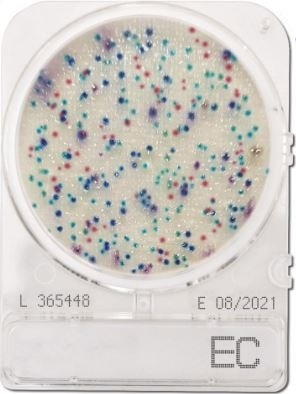
- To ensure these limit values are met, you can easily analyze the product during production. A product suitable for this purpose is a pre-poured freeze-dried culture plate, abbreviated as a Compact Dry plate. After 24 – 48 hours of incubation, bacteria will grow and the user can count the colonies on the plate.
- With our Compact Dry plate product line for microbiological testing of cosmetics, such test parameters for microbiological analysis of creams, lotions, lipsticks and other cosmetic products are now available at PacificLAB. With these tests, you can measure the total bacterial count as well as the amounts of E. coli, coliform bacteria and Staphylococcus aureus in cosmetics.
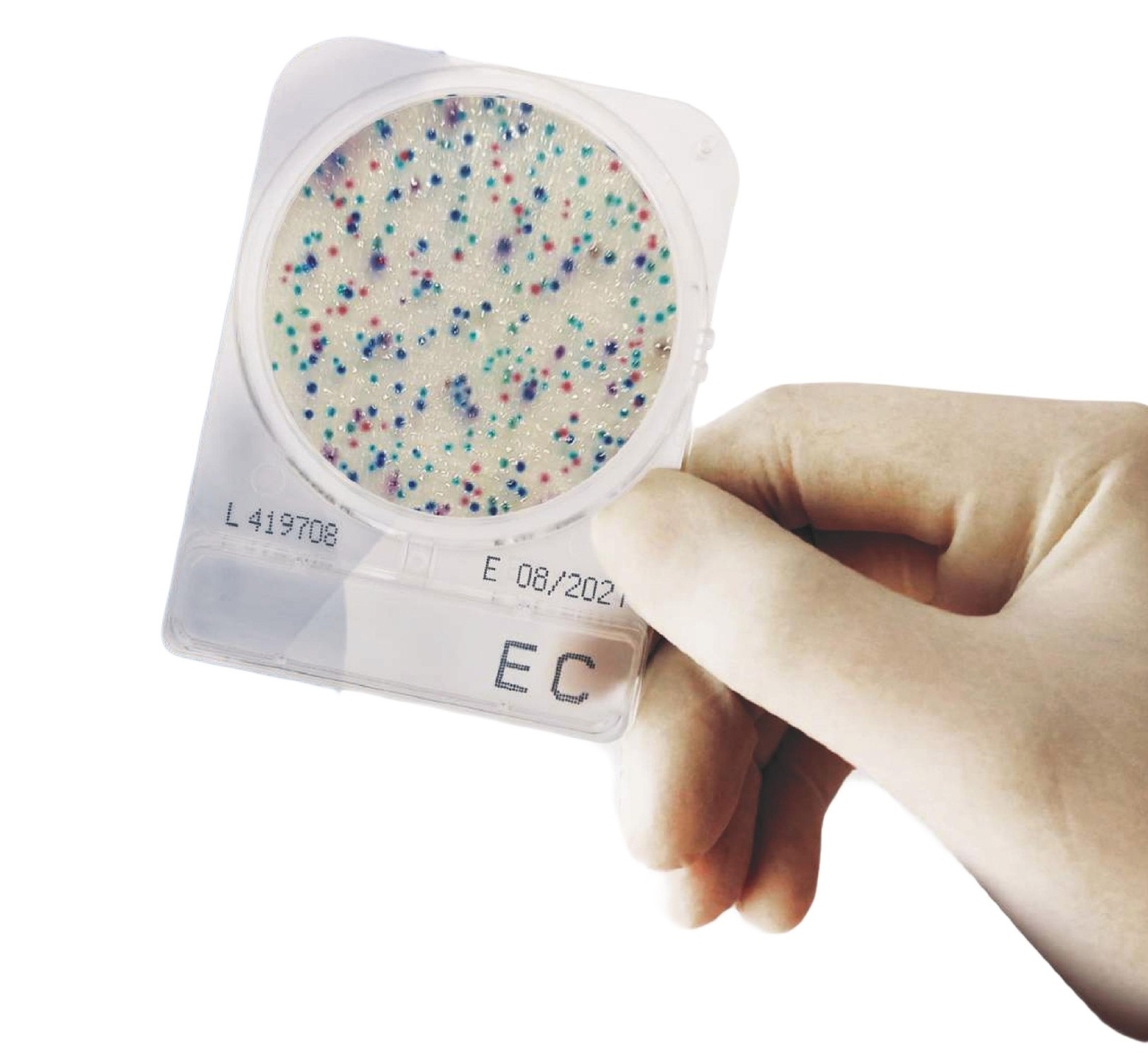
Our Compact Dry plate products for microbiological testing in cosmetics include:
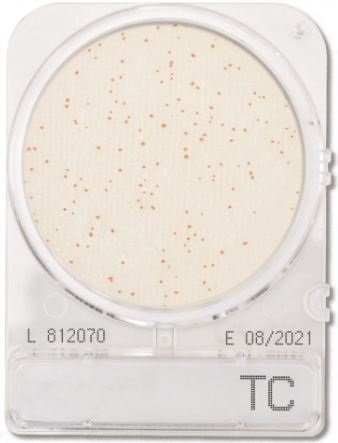
- Compact Dry Plate Total Viable Count – Total Viable Count TC
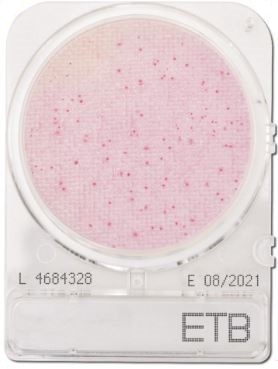
- Compact Dry Plate Enterobacteriaceae ETB
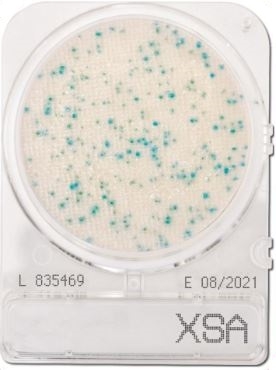
- Compact Dry Plate Staphylococcus aureus X-SA (golden staphylococcus)
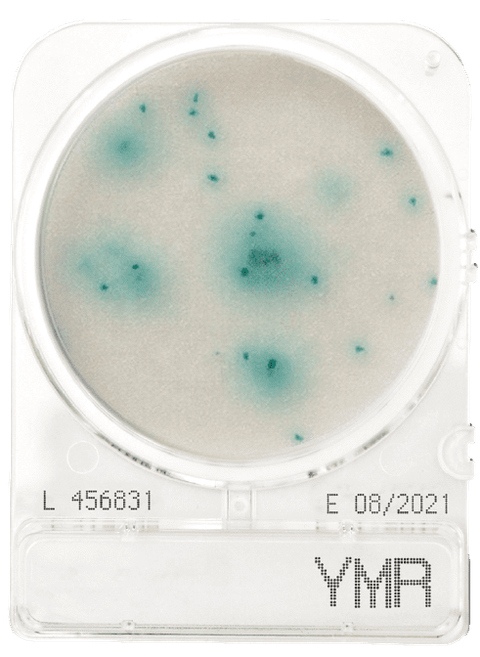
- Compact Dry Plate Yeast and Mold – Yeast and Mold Rapid YMR
- Compact Dry Plate Ecoli Coliform EC
Note: abbreviations such as TC, ETB, YMR, X-SA are product abbreviations.
* Customers can find more information about our Compact Dry culture media plates at the following link:
https://pacificlab.vn/vi/news/blog-kien-thuc/kiem-nghiem-vi-sinh-cho-my-pham-bang-dia-compact-dry-shimadzu-101.html
https://pacificlab.vn/vi/shops/group/dia-moi-truong-chuan-bi-san/