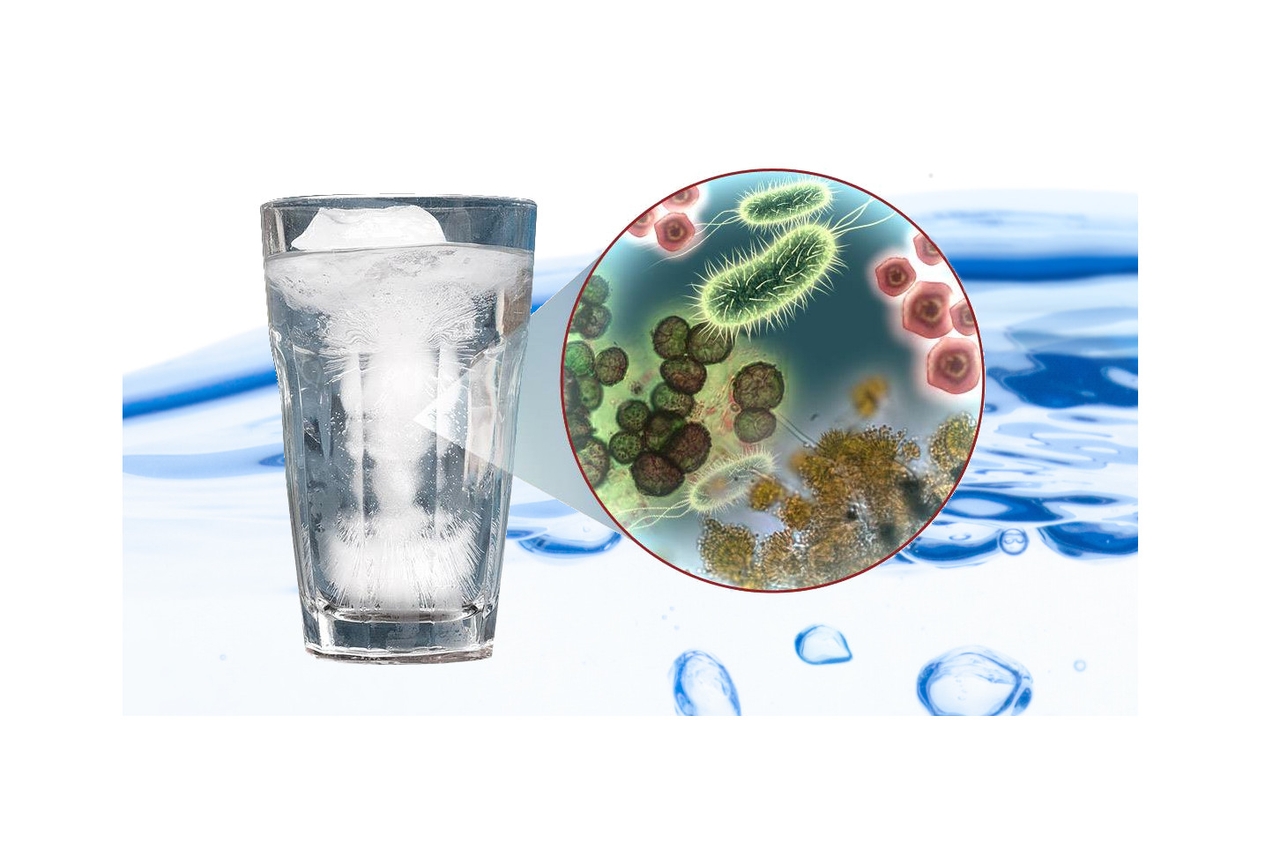
To ensure water quality, microbiological testing is a mandatory requirement for detecting and controlling microbial contamination. Pseudomonas aeruginosa, Enterococcus, E. coli, Coliform, and Clostridium perfringens are important parameters, especially in drinking water and water used in production.
1. Microbiological testing parameters in water
- Total Coliform: an indicator of fecal contamination.
- Pseudomonas aeruginosa: an opportunistic pathogen, commonly present in the water environment and capable of causing infections in weak individuals.
- Enterococcus: an indicator bacterium of fecal contamination, able to survive in harsher environments than many other bacteria.
- Clostridium perfringens: an indicator of long-term contamination.
2. Testing Pseudomonas aeruginosa with the Compact Dry PA plate
2.1. Characteristics of Pseudomonas aeruginosa
Pseudomonas aeruginosa is a Gram-negative bacterium, resistant to many antibiotics, and able to thrive in moist environments.
2.2. The testing method with the Compact Dry PA plate
- Shimadzu supplies the Compact Dry PA plate helping quickly detect Pseudomonas aeruginosa in water. The procedure:
- Sampling: use the membrane filtration method on the Compact Dry plate. See this method here.
- Incubation: incubate at 35-37°C for 48 hours.
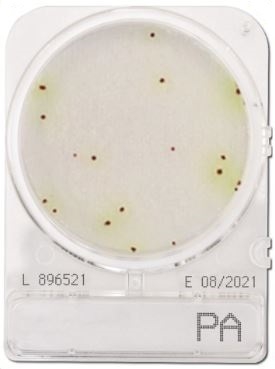
- Reading the result: Pseudomonas aeruginosa colonies are red with a yellow/green halo or unusual colonies of other kinds.
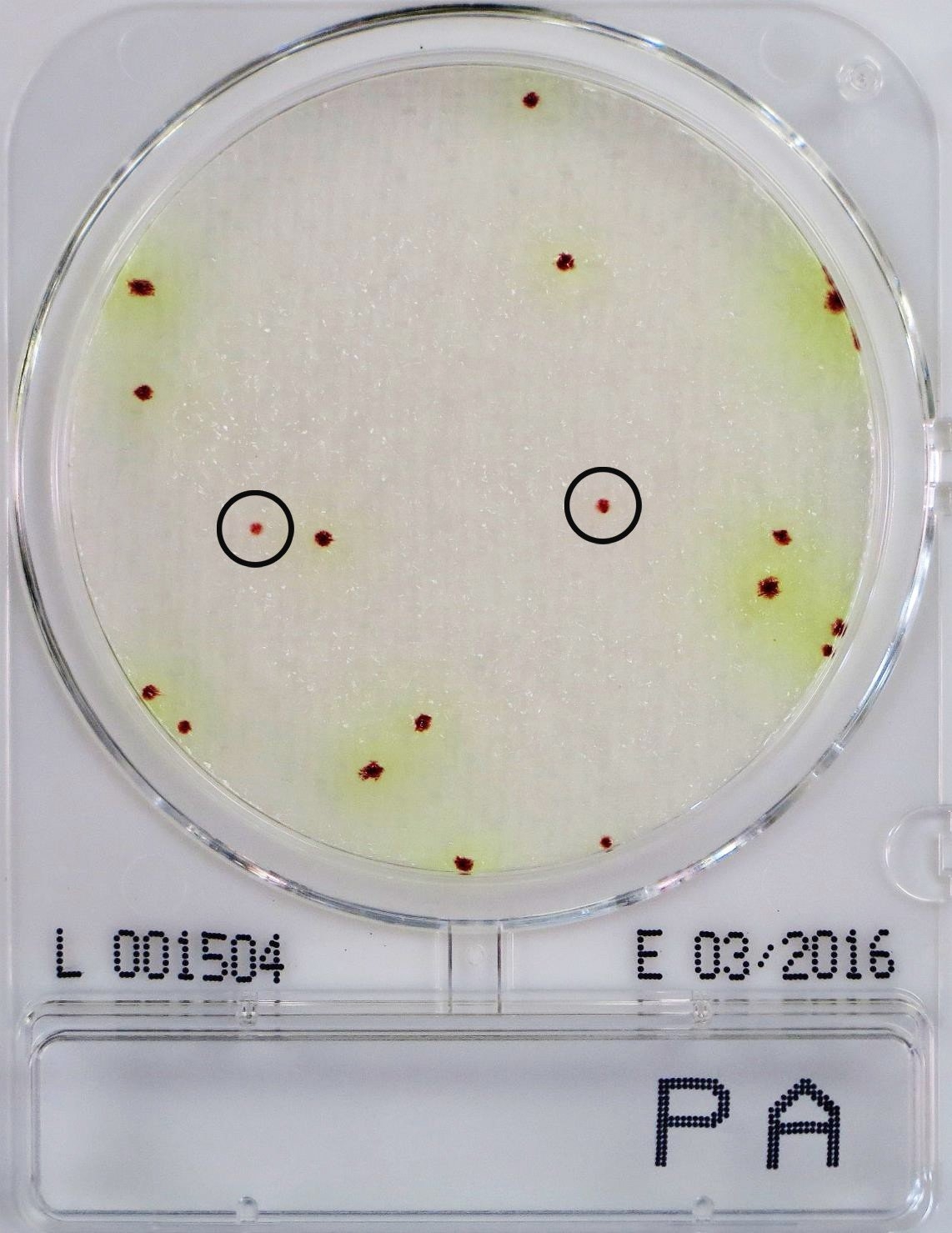
- This method shortens the testing time compared with the traditional method, and at the same time makes identification easy.
3. Testing Enterococcus with the Compact Dry ETC plate
3.1. Characteristics of Enterococcus
Enterococcus is a group of Gram-positive bacteria able to survive in water contaminated by feces.
3.2. The testing method for Enterococcus with the Compact Dry ETC plate
- The Compact Dry ETC plate of Shimadzu is designed to detect and quantify Enterococcus quickly. The procedure:
- Sampling: use the membrane filtration method on the Compact Dry plate.
- Incubation: incubate at 36-37°C for 24 hours.
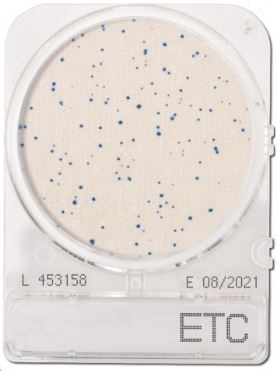
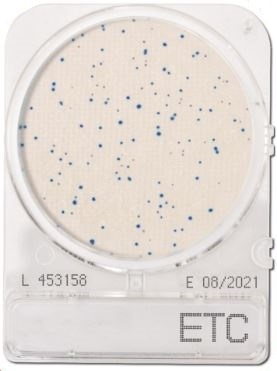
- Reading the result: Enterococcus colonies appear with a blue color.
4. Testing E. coli and Coliform with the Compact Dry EC plate
4.1. Characteristics of E. coli and Coliform
E. coli is the main indicator bacterium of fecal contamination in water, while total Coliform helps evaluate overall hygiene.
4.2. The testing method with Compact Dry EC
- Shimadzu supplies the plates Compact Dry EC plate helping rapidly detect E. coli and Coliform in water. The procedure:
- Sampling: use the membrane filtration method on the Compact Dry plate.
- Incubation: incubate at 35-37°C for 24 hours.
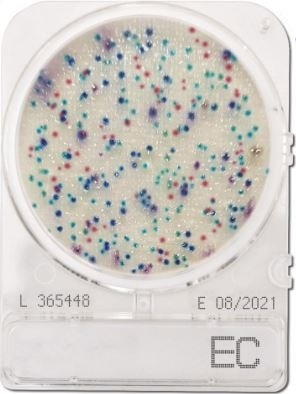
- Reading the result: all blue or blue-violet colonies are E. coli. Red or pink colonies are Coliform.

- This method helps quantify the contamination level of E. coli and Coliform in water rapidly and accurately.
5. Testing Clostridium perfringens with the Real-Time PCR method
- Clostridium perfringens is a spore-forming anaerobic bacterium, able to persist for a long time in water and the environment.
* The testing method with Real-Time PCR
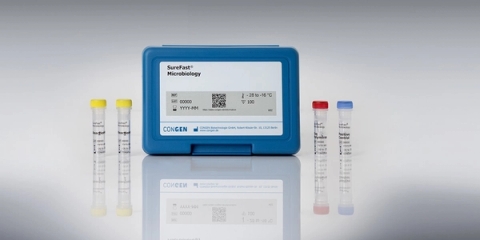
- The Real-Time PCR method helps detect Clostridium perfringens precisely through DNA amplification.
- DNA extraction: use a kit for extracting bacterial DNA from the water sample.
- Preparing the PCR reaction: mix the sample DNA with a master mix containing primers specific to Clostridium perfringens.
- Running the PCR reaction: use a PCR machine with a suitable thermal cycle.
- Analyzing the results: read the fluorescence signals to determine the presence of the bacterium.
This method identifies Clostridium perfringens with high sensitivity and fast analysis time. here.
6. The advantages of the Compact Dry plate and Real-Time PCR methods
- Convenient: the Compact Dry plate needs no culture medium preparation, Real-Time PCR gives fast results.
- Rapid: reduces testing time.
- Easy to read results: Compact Dry has a characteristic color, PCR gives digital results.
- Accurate quantification: meets water testing standards.
Microbiological testing in water is an important requirement for ensuring hygiene safety and public health.
The Pacific company supplies microbiological testing solutions, including Compact Dry plates from Shimadzu and the PCR system, to meet all customer needs.