
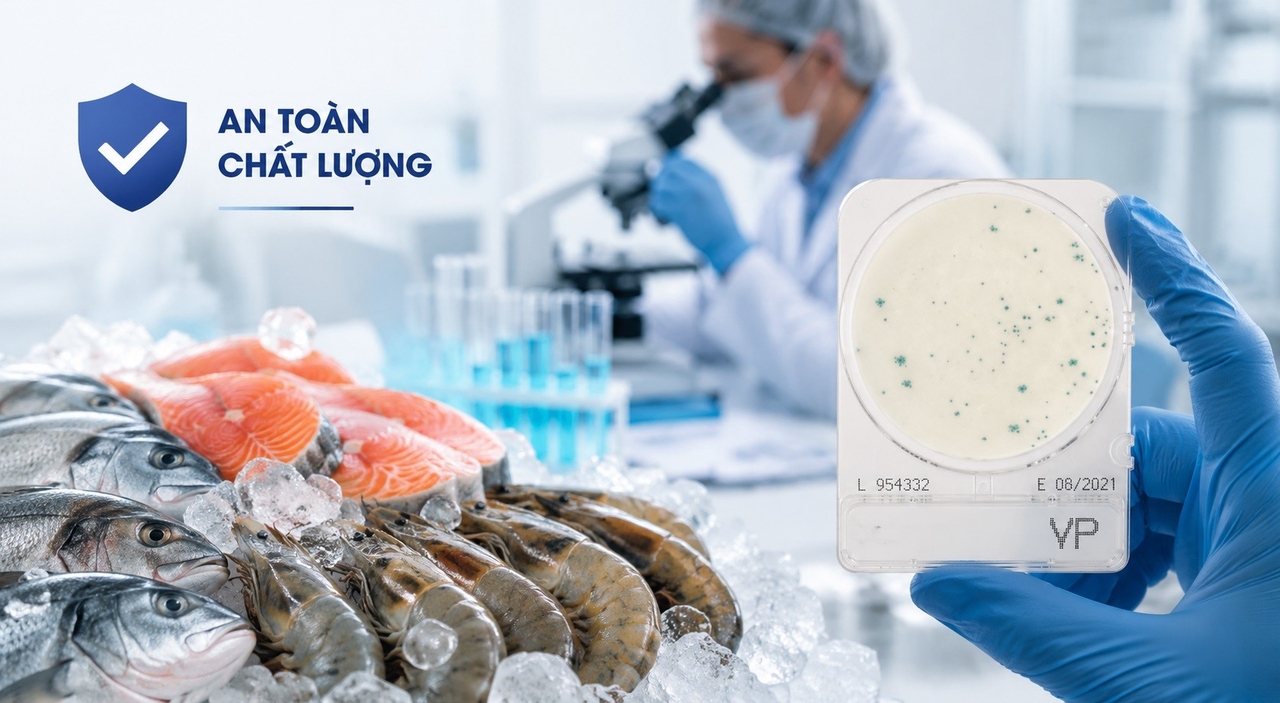
- The seafood industry is one of Vietnam's key export industries, with key markets such as the US, EU, Japan, Korea and China. However, for seafood products to be accepted in these markets, businesses must meet a host of strict food safety requirements, of which seafood microbiological testing is one of the most important criteria.
- Just one shipment found to be contaminated with microorganisms above the permitted threshold can lead to the goods being returned, destroyed, or losing credibility with international customers.
Why is microbiological testing in export seafood important?
Seafood is a nutrient-rich environment, very favorable for microbial growth during farming, harvesting, processing and storage.
Microbiological testing helps businesses:
- Ensure food safety.
- Meet the requirements of HACCP, ISO 22000, BRCGS, FSSC 22000.
- Comply with FDA (US), EU and Japanese regulations.
- Reduce the risk of product recalls.
- Protect the brand and business reputation.
- Control quality throughout the production chain.
Important microbiological parameters in export seafood
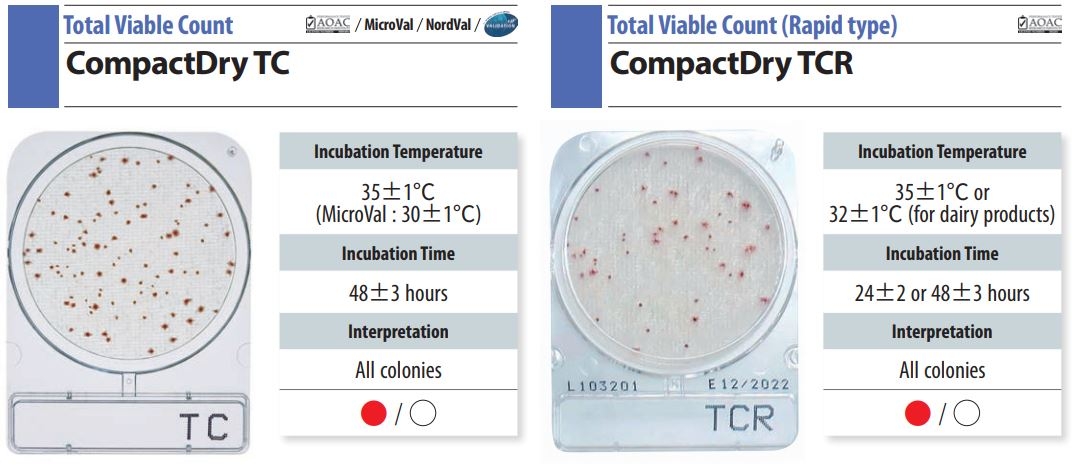
1. Total aerobic bacteria (Total Plate Viable Count - TPC)
The total aerobic count reflects the general hygiene of raw materials and the production process.
A high value may indicate:
- Inadequate hygiene conditions.
- Improper storage temperature.
- Storage for too long.
2. Coliforms
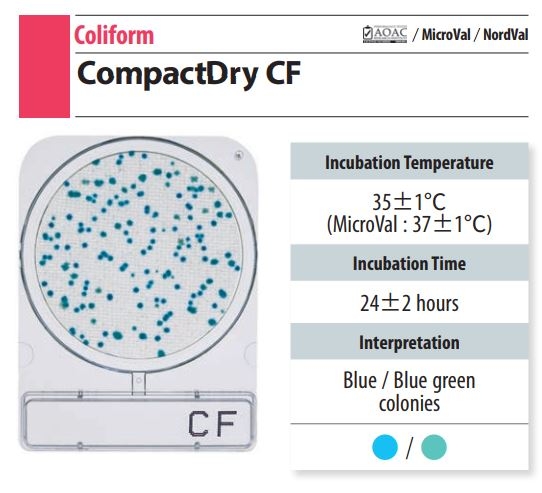
Coliforms are a group of indicator bacteria for the hygiene of water and the production environment.
The presence of coliforms shows:
- Risk of environmental contamination.
- Ineffective factory sanitation systems.
- Production water quality needs to be reconsidered.
3. Escherichia coli (E. coli)
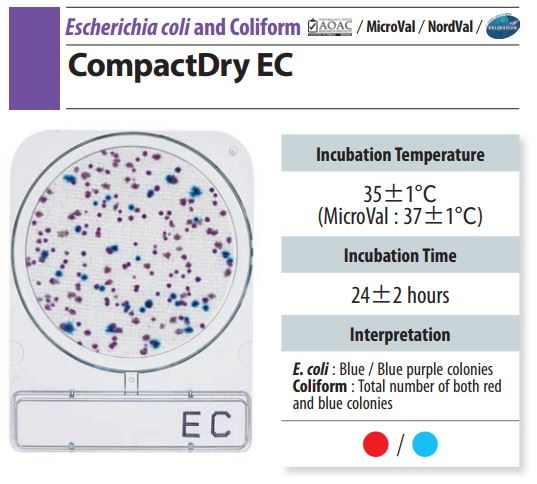
- E. coli is an important parameter for assessing fecal contamination risk.
- Many export markets apply very strict limits for E. coli in processed seafood.
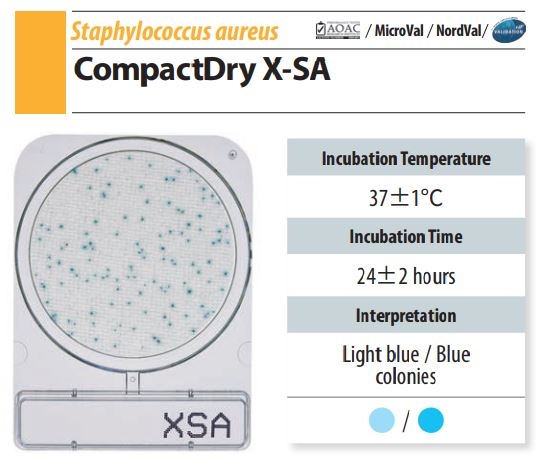
4. Staphylococcus aureus
This bacterium can produce toxins that cause food poisoning.
Common sources of contamination:
- Production staff.
- Food contact surfaces.
- Processing equipment.
5. Salmonella
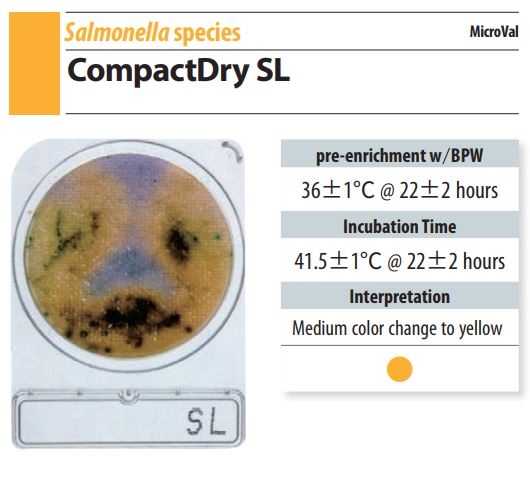
- Salmonella is one of the most dangerous causes of food poisoning.
- For most export seafood products: the regulation requires that no Salmonella be detected in the test sample.
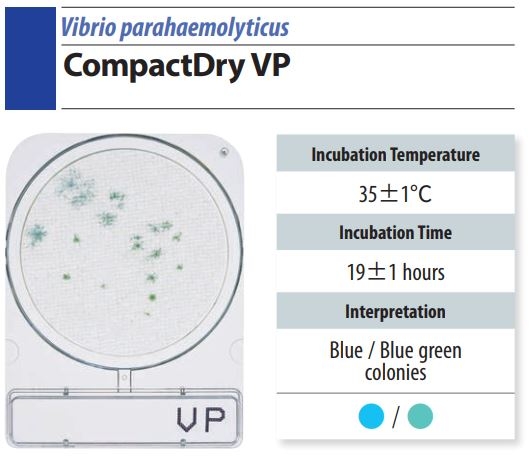
6. Vibrio parahaemolyticus
Especially important for:
- Shrimp
- Oysters
- Clams
- Raw or undercooked shellfish
Some species to control:
- Vibrio parahaemolyticus
- Vibrio cholerae
- Vibrio vulnificus
7. Listeria monocytogenes
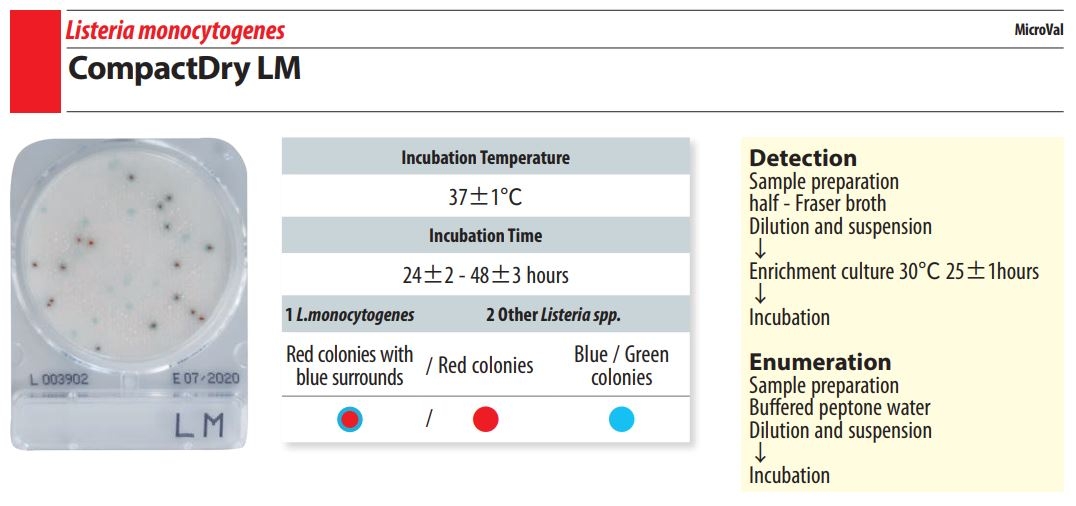
- This is a mandatory parameter for many ready-to-eat seafood products or convenience foods.
- This bacterium can grow at cold temperatures and is dangerous for pregnant women, the elderly and immunocompromised people.
Important microbiological control points in seafood factories
* Incoming raw materials
Test:
- Raw shrimp.
- Raw fish.
- Fresh seafood.
The goal is to detect microbial contamination risks early, before processing.
* Water used in production
Water is the most common source of microbial contamination. Parameters commonly tested:
- Coliforms
- E. coli
- Total aerobic microorganisms
* Equipment surfaces
Locations to monitor:
- Conveyor belts.
- Cutting blades.
- Cutting boards.
- Processing tables.
- Packing areas.
* Staff hands
Monitoring personal hygiene reduces the risk of cross-contamination in production.
* Finished products
- Testing finished products is the final step to confirm products meet export requirements.
Challenges of traditional microbiological testing methods
Many seafood factories still use the traditional agar pouring method.
Common limitations:
- Takes a lot of time to prepare media.
- Requires autoclaving equipment (Autoclave).
- Labor-intensive.
- Prone to handling errors.
- Takes up a lot of laboratory space.
Especially for export businesses with large sample volumes each day, fast and accurate testing is a very urgent need.
Rapid microbiological testing solutions for the seafood industry
Today, many seafood processing plants are switching to rapid microbiological testing systems such as Compact Dry plates.
* Advantages:
- No media preparation.
- No agar pouring.
- No autoclaving.
- Saves handling time.
- Clear results from colony colors.
- Suitable for in-factory QC rooms.
* Some common parameters that can be tested:
- Total aerobic microorganisms.
- Coliforms.
- E. coli.
- Enterobacteriaceae.
- Yeast and mold.
As a result, businesses can shorten quality control time and improve laboratory operating efficiency.
The trend of strengthening microbiological control in export seafood
Import markets are tightening food safety requirements day by day.
Current trends include:
- Increasing sampling frequency.
- Regular testing of the production environment.
- Real-time microbiological monitoring.
- Adopting rapid testing methods.
- Digitizing testing data.
Therefore, investing in an effective microbiological testing system is no longer a choice but has become a mandatory requirement for maintaining competitiveness.
Conclusion
- In the export seafood industry, microbiological testing plays a decisive role in ensuring product quality and meeting international standards. Good control of parameters such as Salmonella, E. coli, Coliform, Vibrio or Listeria helps businesses reduce the risk of rejected shipments, protect their brand and increase competitiveness in the global market.
- Alongside traditional methods, the adoption of rapid microbiological testing solutions such as Compact Dry plates is helping many seafood businesses optimize costs, shorten testing time and improve quality management effectiveness.