1. Why microbiological testing in fruit and vegetable processing
- Microorganisms such as Salmonella bacteria, E.coli; parasitic worms, tapeworms; hepatitis A viruses... are found everywhere, in soil, water, air, and in the intestines of humans and animals.
- These microorganisms grow very quickly under favorable conditions. Therefore, microorganisms can be contaminated from producers; production equipment; irrigation water sources or product washing water; transportation vehicles and the environment.
- Acute poisoning: abdominal pain, diarrhea, vomiting; dysentery, worms; headache, fever, typhoid; septicemia…
- Chronic poisoning: The virulence of E. coli bacteria can cause and severe clinical manifestations such as intestinal bleeding; some strains of Salmonella bacteria can also cause gastroenteritis; viruses that cause hepatitis A; liver flukes; necrosis of organs in the body…
- In addition, some factors can increase the rate of complications for people with weakened immune systems such as children, pregnant women, the elderly, people with chronic diseases (liver failure, kidney failure, heart failure, diabetes,...), and people who regularly use certain drugs that reduce the ability to resist infection (cancer chemotherapy drugs, anti-rejection drugs).
* For businesses:
– Under the current regulations, to bring fruit and vegetable products to the market, businesses must test them. Declare product quality in accordance with Decree 38/2012/NĐ-CP issued by the Ministry of Health to bring the best products to the market.
– Therefore, microbiological testing for fruit and vegetable products is an important step that businesses must carry out.
– In addition, microbiological testing of products made from fruit and vegetables must be carried out every 06 months for businesses that produce and trade in fruit and vegetable products; in order to control quality and ensure food hygiene and safety.
* For consumers:
– Microbiological testing of fruit and vegetables aims to assess the level of food hygiene and safety. It helps consumers feel confident in their choice.
– Prevents problems with pesticide and plant protection product residues before products reach the market.
- Because of these urgent requirements, PacificLAB offers a convenient, easy-to-use microbiological testing solution for the microbiology laboratories of fruit and vegetable processing companies. A solution that significantly saves on usage costs and saves manpower, that is the pre-poured dried agar plate solution Compact Dry from Shimadzu - Japan.
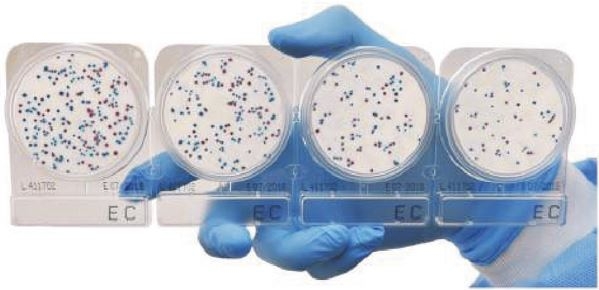
Shimadzu Compact Dry Plates
2. Microbiological testing in fruit and vegetable processing recommended by Shimadzu
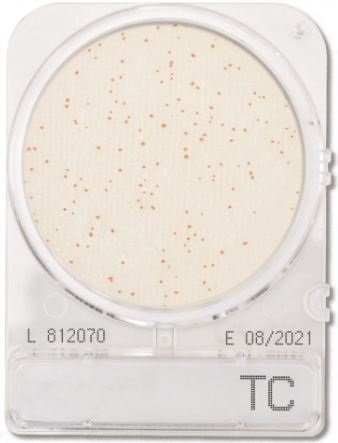
– Aerobic Plate Count – Total Viable Count TC.
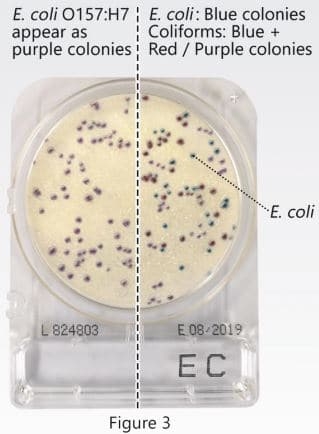
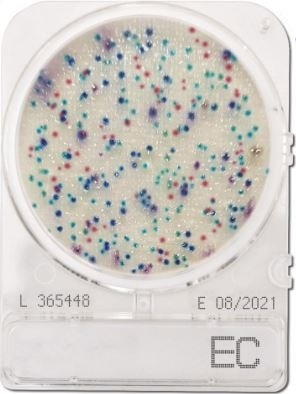
– Ecoli Coliform EC.
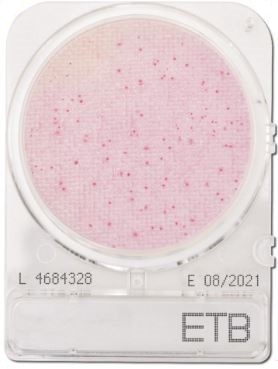
- Enterobacteriaceae ETB.
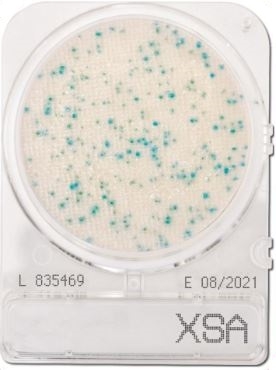
- Staphylococcus aureus X-SA.
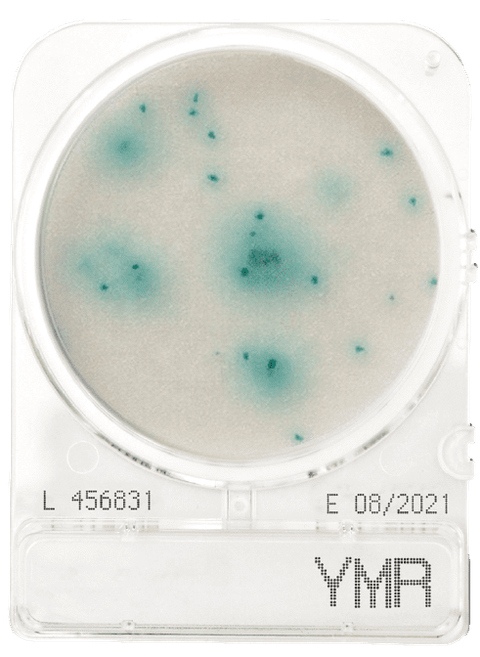
– Yeast and Mold – Yeast and Mold Rapid YMR.
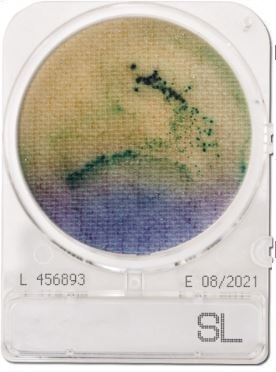
– Salmonella SL.
– Listeria LS.
* Note: codes such as TC, EC, ETB, YMR, X-SA, BC, SL are product abbreviations.
3. Sample preparation procedure for microbiological testing in fruit and vegetable processing
* For indicator microorganisms (aerobic plate count, Ecoli Coliform, Yeast and Mold, Staphylococcus aureus and Bacillus cereus):
- Cut a sample of an appropriate size (for example 10g or 25g) from the fruit or vegetable; using a sterile knife or scissors.
- Place the sample in a sterile container; a sterile centrifuge tube can be used. Then add an appropriate volume of sterile diluent (for example: 90ml or 225ml Buffer Peptone Water or BPW, Maximum Recovery Diluent or MRD, or 0.1% Peptone Water).
+ Homogenize the sample and dilute the sample appropriately.
* For pathogenic microorganisms (Salmonella and Listeria):
- For cut samples, weigh 25g and dilute with 225ml sterile BPW.
- For whole fruit or vegetables, test the test samples; including all visible soiling. Add sterile BPW to submerge the sample.
4. Limits
Refer to the Codex Alimentarius standard; the food and drug standards (FDA); the Food Standards Agency (FSA) or the local regulatory authorities.
5. Notes on the microbiological testing procedure in fruit and vegetable product processing
- Check the pH of the sample after 10-1 dilution, especially for acidic fruit varieties. Make sure the sample pH is in the range from 6 to 8, otherwise neutralize using sterile Natri Hydroxide 0,1 N (NaOH) if the pH is lower than 6; or 0,1 N Hydrochloric Acid (HCl) if the pH is higher than 8.
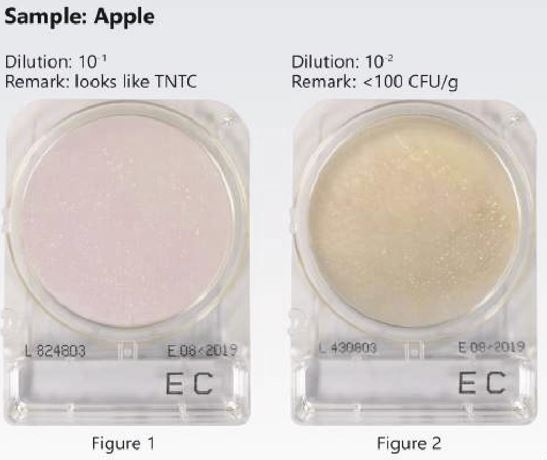
- For CompactDryTM EC, interference may be observed because most fruit varieties (for example such as apples and tomatoes) naturally have Beta-Galactosidase. Dilute appropriately.
- Similar to other tests based on β-Glucuronidase activity to detect E.Coli, Compact Dry EC cannot detect E.coli O157: H7 in the form of E.coli.