1. Why microbiological testing is necessary in aquatic product processing
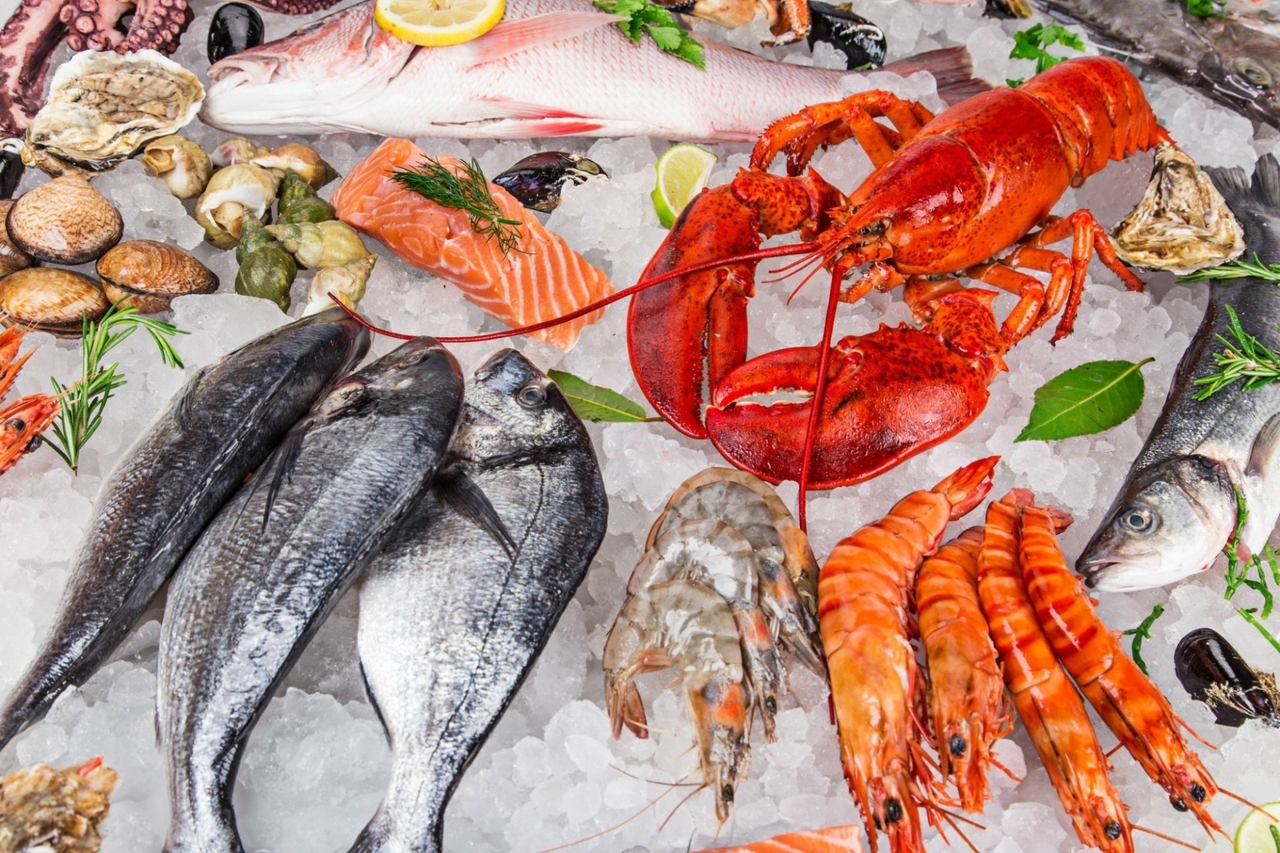
- Aquatic products containing residues of hazardous substances and microorganisms, that are not permitted for use… harm consumer health, therefore testing must be carried out. - Microbiological testing in the aquatic product processing industry is mandatory for enterprises and aquatic product business facilities to be licensed and to maintain business operations in accordance with Decree No. 26/2019/NĐ-CP regulating food testing serving state management of food safety.
- Testing aquatic products is also a way to minimize as much as possible the risks to product quality and quantity before shipment.
- Helps minimize defective products during production, minimize complaints or claims from customers, and minimize delays in arranging and distributing goods.
– Helps protect the business interests of producers and supports food hygiene and safety management and inspection.
– Helps distributors minimize business risks and ensure that product quality is produced and distributed to countries and markets according to the correct technical standards.
- Because of these urgent requirements, PacificLAB Scientific and Technical Equipment Company Limited brings a convenient, easy-to-use microbiological testing solution for the microbiology laboratories of aquatic product processing companies. A solution that significantly saves operating costs and labor: the Compact Dry dried ready-plated medium solution from Shimadzu - Japan.
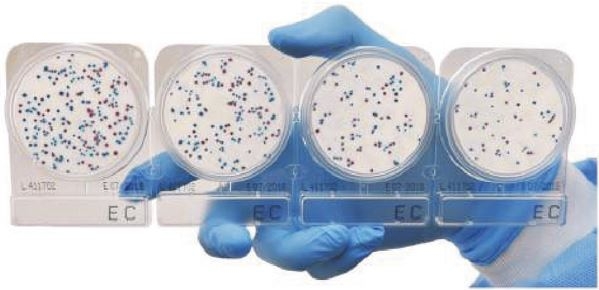
Shimadzu Compact Dry plates
2. Microbiological testing in aquatic product processing recommended by Shimadzu
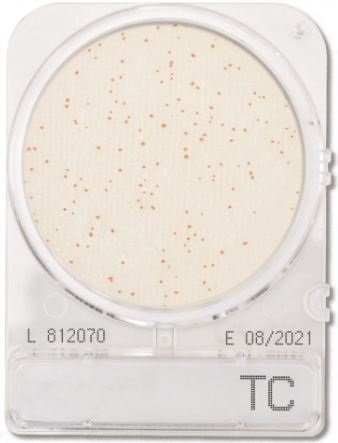
– Total Viable Count TC.
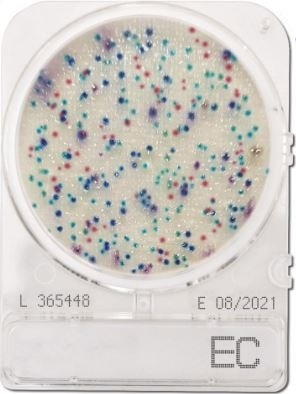
– Ecoli Coliform EC.
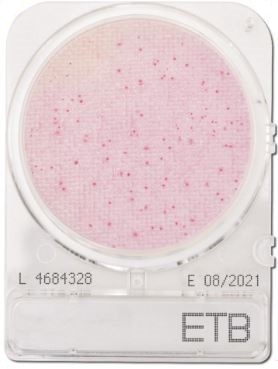
- Enterobacteriaceae ETB.
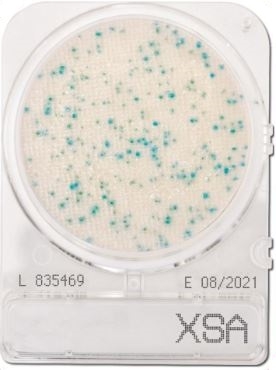
- Staphylococcus aureus X-SA.
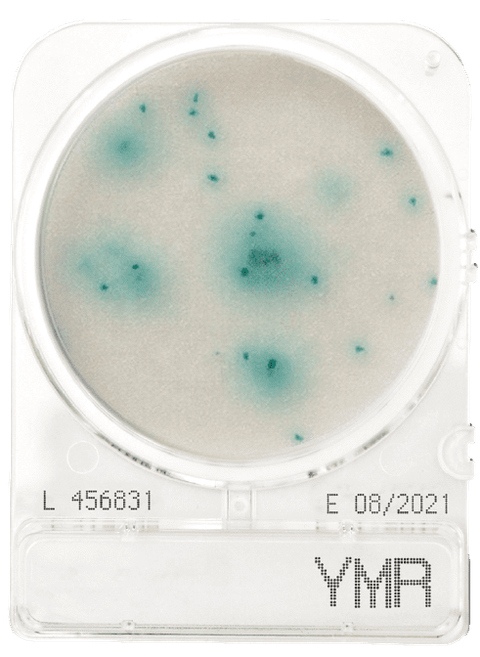
– Yeast and Mold Rapid YMR.
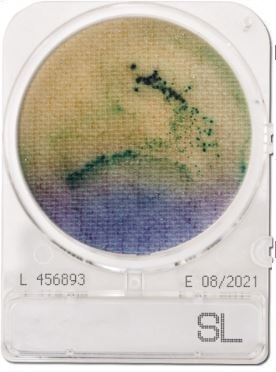
– Salmonella SL.
– Listeria LS.
- Vibrio parahaemolyticus VP
* Note: abbreviations such as TC, EC, ETB, YMR, X-SA, LS, SL, VP are product abbreviations.
3. Sample preparation process for microbiological testing in aquatic product processing
– For indicator organisms (Total count, Ecoli Coliform, Enterobacteriaceae, mold and Staphylococcus aureus):
+ Cut the sample to an appropriate size (for example 10g or 25g) using a sterile knife or scissors, then place it into a sterile container.
+ Add an appropriate volume of sterile diluent (for example 90ml or 225ml Buffered Peptone Water (BPW), Maximum Recovery Diluent or MRD, or Peptone Water 0,1%), then homogenize the sample and dilute the sample serially.
– For pathogens (SL and LS): weigh 25g of sample and dilute with 225ml sterile BPW. Then homogenize the sample.
– For Vibrio: Weigh 50g of sample and add 450ml Butterfield’s Phosphate Buffer (BPB), then homogenize the sample. Use surface tissues, fish gills and intestines; for shell-bearing animals, use the flesh.
4. Limits
Refer to Codex Alimentarius standards; food and drug standards (FDA); the Food Standards Agency (FSA) or local regulatory authorities.
5. Notes on the microbiological testing process in aquatic product processing
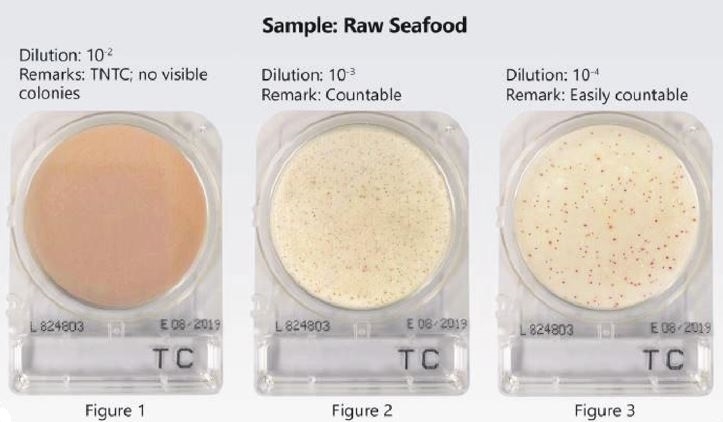
Live aquatic products usually have a high microbial count. For TC, use 10-3 (Figure 2) or 10-4 (Figure 3) plates, while using 10-1 for other indicator organisms. Cooked seafood tends to have a lower microbial load. For TC, use 10-1 or 10-2 plates.
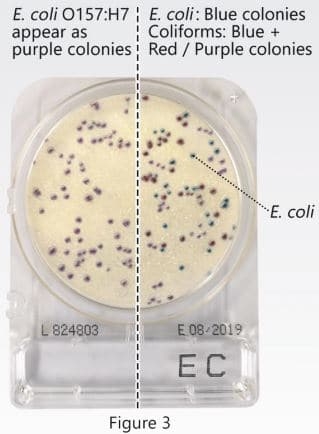
- Similar to other tests based on β-Glucuronidase activity to detect E.Coli, Compact Dry EC cannot detect E.coli O157: H7 as E.coli.