1. Why microbiological testing is needed for sugar cane
– The Vietnamese Ministry of Health clearly specifies the limits of microorganisms in food according to Decision No.: 46/2007/QĐ-BYT. In addition, QCVN 8-3:2012/BYT also sets national technical regulations for microbiological contamination in food.
– EU Regulation EC 2073/2005 sets out food safety criteria for some bacteria in food such as Salmonella, Listeria monocytogenes, Enterobacter sakazakii, and toxins (Staphylocci enterotoxin…) These criteria are applied to products placed on the market throughout their shelf life.
– The US market also has its own APC/SPC standards for microorganisms in food according to USDA FSIS, FDA…
- Because of these essential requirements, PacificLAB brings a convenient, easy-to-use microbiological testing solution to the microbiology laboratories of sugar cane processing companies. A solution that significantly saves operating costs and labor, namely the Compact Dry pre-poured dry agar plate solution from Shimadzu - Japan.
2. Microbiological testing in sugar cane production and processing recommended by Shimadzu
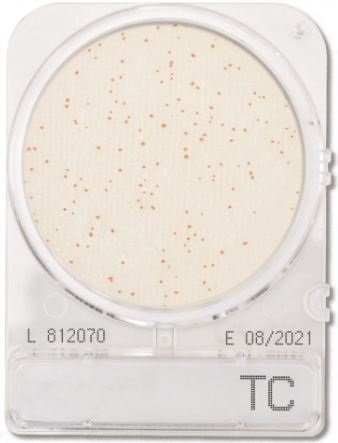
– Aerobic total count – Total Viable Count TC.
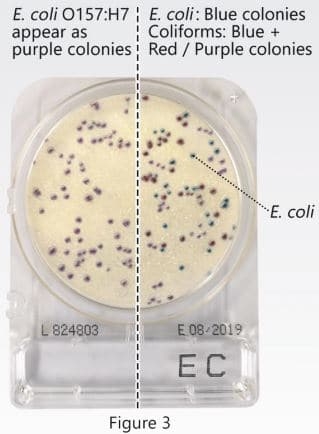
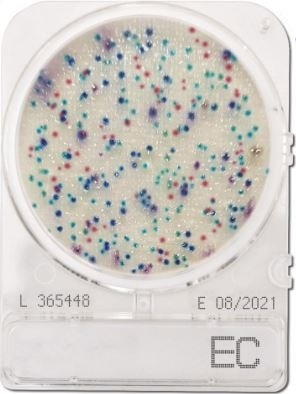
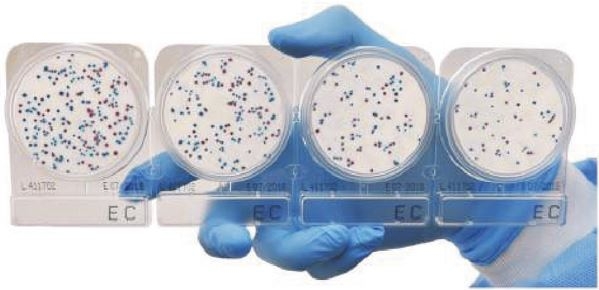
– Ecoli Coliform EC.
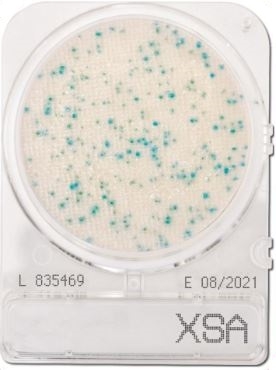
- Staphylococcus aureus X-SA.
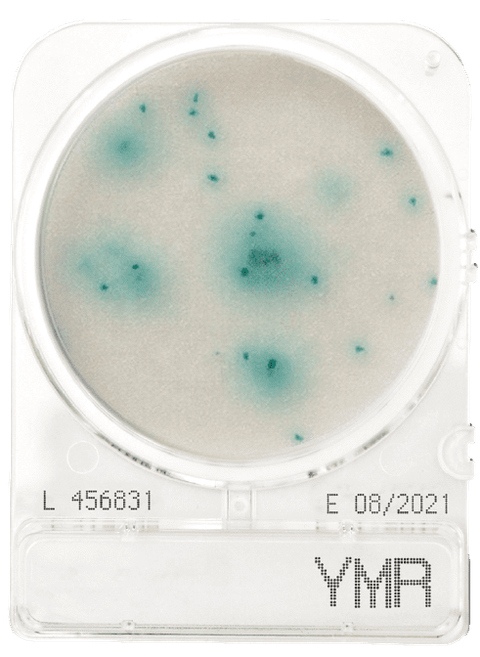
– Yeast and mold – Yeast and Mold Rapid YMR.
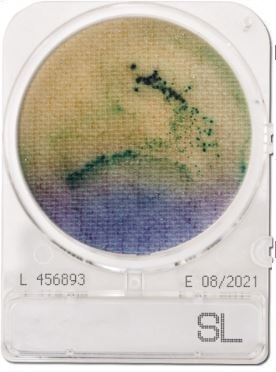
– Salmonella SL.
* Note: codes such as TC, EC, YMR, X-SA, SL are abbreviations of the products.
3. Sample preparation procedure for microbiological testing in sugar cane production and processing
* For indicator microorganisms (Total count, Ecoli Coliform, yeast and mold and Staphylococcus aureus)
– For samples with low numbers of microorganisms:
+ Weigh the sample mass according to the standard (for example 10g or 25g).
+ Place into 1 sterile container, then add an appropriate volume of sterile diluent (for example 90mL or 225mL Maximum Recovery Diluent (MRD), or Peptone Water 0,1%.
+ Dissolve the sample for filtration. Filter 100mL of the liquid sample using a 47mm filter membrane.
– For samples with high numbers of microorganisms or dark color:
+ Weigh the sample portion according to the standard (for example: 10g or 25g).
+ Place in a sterile container.
+ Then add an appropriate volume of sterile diluent (for example: 90ml or 225ml MRD or 0,1% Peptone Water). Homogenize the sample and dilute appropriately.
* For pathogenic microorganisms (Salmonella – SL)
– Weigh 25g and dilute with 225ml Buffered Peptone Water (BPW).
4. Regulations on limits
Refer to the Codex Alimentarius standard; food and pharmaceutical standards (FDA); the Food Standards Agency (FSA) or local regulatory authorities.
5. Notes on the microbiological testing procedure in sugar cane production and processing
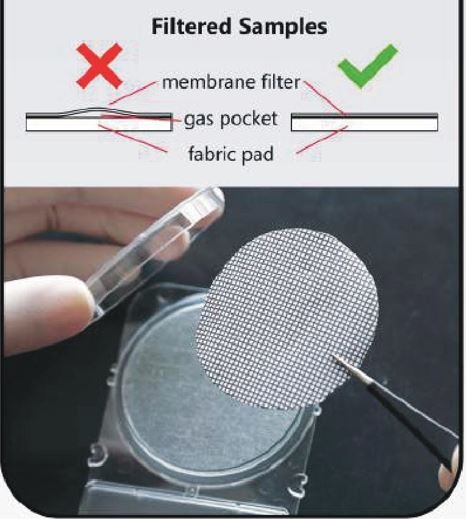
For filtered samples, add 1ml of sterile diluent to compensate for the water of the CompactDryTM plates. Transfer the filter assembly onto the Compact Dry plate, taking care that the operation avoids air bubbles between the filter and the fabric (see the illustration).
- Similar to other tests based on β-Glucuronidase activity to detect E.Coli, CompactDry EC cannot detect E.coli O157: H7 in the form of E.coli.