1. Why microbiological testing is necessary in snack cake processing
– The Vietnamese Ministry of Health clearly sets microbiological limits in food according to decision No. 46/2007/QĐ-BYT. In addition, QCVN 8-3:2012/BYT also sets national technical regulations for microbiological contamination in food.
– EU Regulation EC 2073/2005 sets food safety criteria for certain bacteria in food such as Salmonella; Listeria monocytogenes; Enterobacter sakazakii; and toxins (Staphylocci enterotoxin…). These criteria apply to products placed on the market throughout their shelf life.
– The US market also has its own APC/SPC standards for microorganisms in food under USDA FSIS, FDA standards.
- Because of these urgent requirements, PACIFICLAB SCIENTIFIC AND TECHNICAL EQUIPMENT COMPANY LTD brings a convenient, easy-to-use microbiological testing solution for the microbiology laboratories of snack cake manufacturers. A solution that significantly saves operating costs and manpower, that is the Compact Dry pre-dispensed freeze-dried agar plate solution from Shimadzu - Japan.
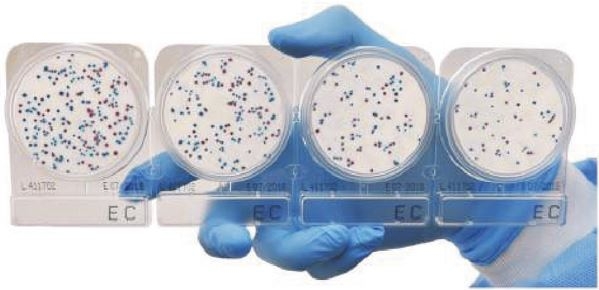
Shimadzu Compact Dry plates
2. Microbiological testing in snack cake processing recommended by Shimadzu
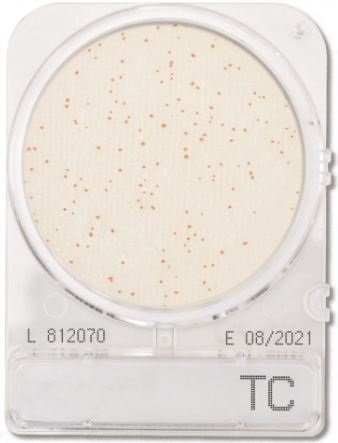
– Total Viable Count TC.
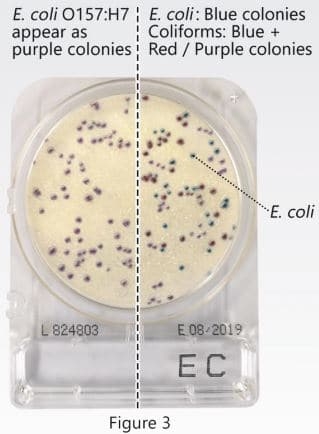
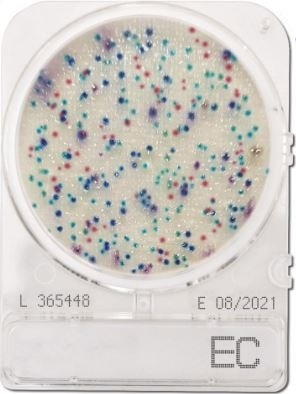
– Ecoli Coliform EC.
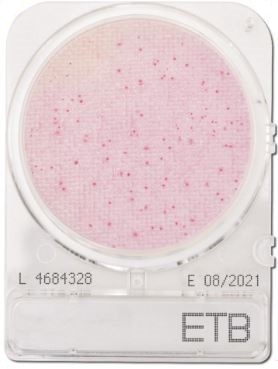
- Enterobacteriaceae ETB.
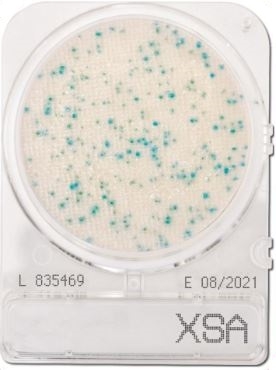
- Staphylococcus aureus X-SA.
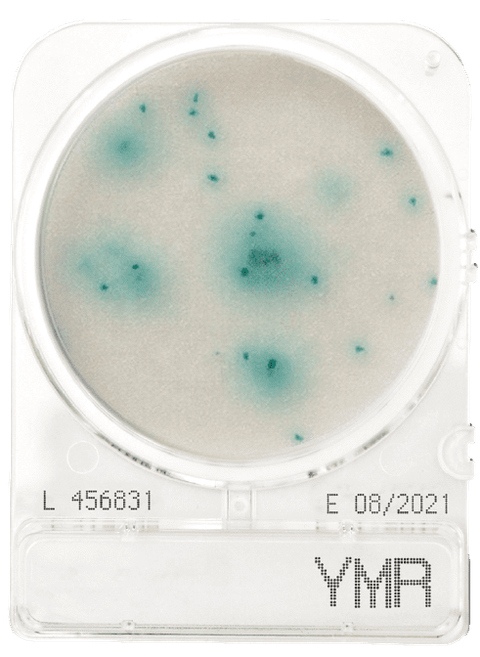
– Yeast and Mold Rapid YMR.
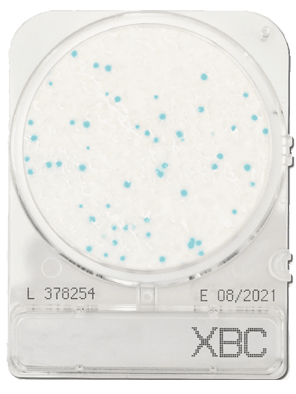
- Bacillus cereus BC
– Salmonella SL.
* Note: the codes such as TC, EC, ETB, YMR, X-SA, BC, SL are the product abbreviations.
3. Sample preparation procedure for microbiological testing in snack cake processing
* For indicator microorganisms (Total count, Ecoli Coliform, Enterobacteriaceae, yeast and mold, Staphylococcus aureus, Bacillus cereus):
- Homogenize the sample and weigh it according to the standard (for example 10 g or 25g) using a sterile knife or scissors.
- Place in a sterile container. Then add the appropriate volume of sterile diluent. For example 90ml or 225ml Buffered peptone Water (BPW), Maximum Recovery Diluent or MRD, or Peptone Water 0,1%).
- Then homogenize the sample and dilute it in a serial manner.
* For pathogenic microorganisms (Salmonella): Weigh 25g and dilute with 225ml Sterile BPW.
4. Limits regulations
Refer to Codex Alimentarius standards; food and drug standards (FDA); the Food Standards Agency (FSA) or local regulatory authorities.
5. Notes on the microbiological testing procedure in snack cake processing
– Use a 25g sample size for samples that absorb a large amount of diluent (for example: water and cookies).
– Users should use sample filter bags to minimize sample particles during inoculation.
– Check the sample pH after a 10-1 dilution, especially for acidic sample types. Ensure that the sample pH is in the range from 6 to 8; if not, neutralize by using sterile 0,1N Sodium Hydroxide (NaOH) if the pH is below 6; or 0,1N Hydrochloric Acid (HCl) if the pH is above 8.
6. Influence of color on interpreting microbiological test results for snack cake processing
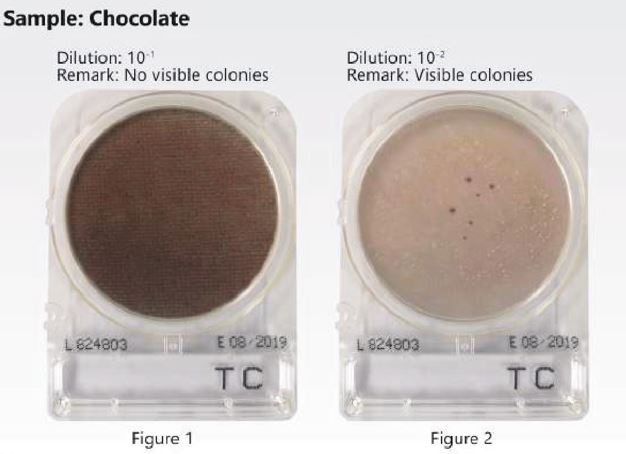
– The color of the sample can interfere with the interpretation of results. The plates can be diluted to the highest level without affecting the sensitivity required by the test procedure.
– For example, if the permitted level for aerobic count is 800 CFU/g; use a 1mL plate of dilution 10-2 but not 10-3 because it cannot detect the required level.
- Similar to other tests based on β-Glucuronidase activity to detect E.Coli, Compact Dry EC cannot detect E.coli O157: H7 as E.coli.