
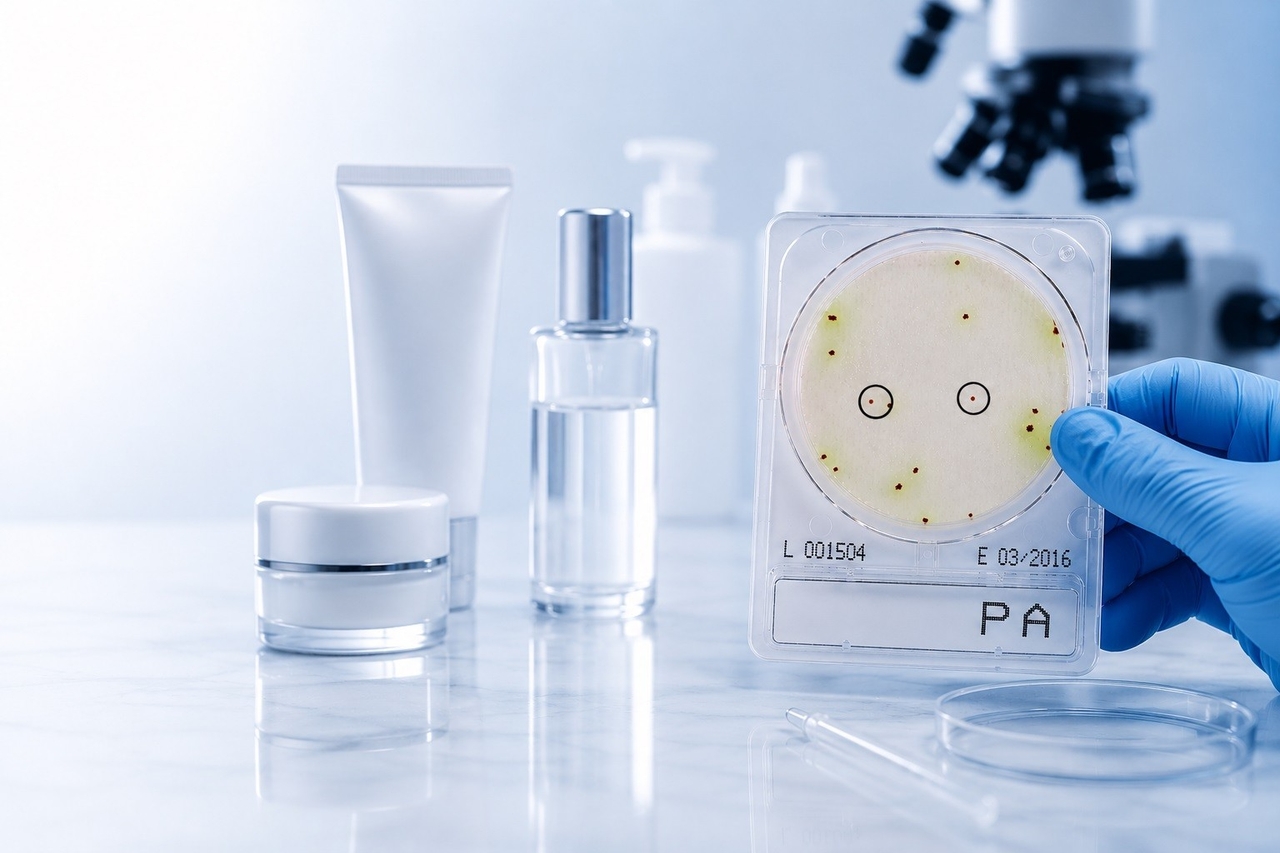
- A product contaminated with microorganisms can cause skin irritation, infections or shorten product shelf life, seriously damaging brand reputation.
- That is why microbiological testing of cosmetics under GMP is a mandatory requirement for modern cosmetics manufacturers. This article will help you understand the importance of microbiological testing, the parameters to test and the optimal solution for the QC department.
Why is microbiological testing necessary in cosmetics?
- Cosmetics often contain water, vegetable oils, proteins or other organic ingredients, creating favorable conditions for microbial growth if the production process is not strictly controlled.
- Common sources of microbial contamination include:
- Incoming raw materials
- Water used in production
- Air in the production area
- Equipment and utensils
- Operating staff
- Product packaging
- Microbiological testing helps businesses:
- Ensure compliance with cosmetics GMP standards
- Meet the requirements of regulatory agencies
- Limit defective products and goods recalls
- Protect consumers
- Enhance brand reputation
How does cosmetics GMP require microbiological control?
According to the ASEAN GMP guidelines and international standards, businesses need a comprehensive microbiological control program including:
* Testing incoming raw materials
Naturally derived materials such as:
- Plant extracts
- Essential oils
- Proteins
- Biological ingredients
must be tested for microbial contamination before entering production.
* Testing production water
Water is an ingredient that makes up a large proportion of many cosmetic lines:
- Skin creams
- Facial cleansers
- Toners
- Shampoos
Therefore, water must be monitored regularly to ensure it contains no harmful microorganisms.
* Testing the production environment
Including:
- Air
- Equipment surfaces
- Work tables
- Staff hands
The goal is to detect cross-contamination risks in the factory early.
* Testing finished products
- This is the final step to confirm products meet microbiological requirements before release.
Important microbiological parameters in cosmetics
Total aerobic microorganisms (TPC)
- The parameter assessing overall bacterial contamination in the product.
- Exceeding the TPC limit shows the production or storage process was not effectively controlled.
Total yeast and mold
Yeast and mold can:
- Alter colors
- Change product odor
- Decompose active ingredients
This is a mandatory parameter for most cosmetic products.
Pseudomonas aeruginosa
- This opportunistic pathogenic bacterium is strictly controlled in cosmetics.
- The presence of Pseudomonas can cause:
- Dermatitis
- Eye infections
- Infections of open wounds
Staphylococcus aureus
This bacterium can cause:
- Dermatitis
- Pustules
- Skin infections
Especially dangerous for products that are in direct contact with the skin.
Candida albicans
- A common pathogenic yeast of the skin and mucous membranes.
- Many cosmetics standards require that Candida not be detected in the product.
Difficulties of testing cosmetics microbiologically by traditional methods
Many QC departments today still use the traditional agar pouring method, leading to limitations:
- Time-consuming medium preparation
- Requires an autoclave (Autoclave)
- Takes storage space for media
- Requires experienced technicians
- Increases the risk of handling errors
- High operating costs
For cosmetics factories that need to test samples daily, this is a significant burden.
A rapid cosmetics microbiological testing solution with Compact Dry
- Compact Dry plates are a modern microbiological testing solution chosen by many food, beverage and cosmetics businesses.
* Standout advantages
- No medium preparation: the medium is already prepared on the plate.
- No autoclave needed: reduces laboratory investment and operating costs.
- Simple handling: just drop the sample onto the plate surface.
- Easy-to-read results: colonies display distinctive colors for quick identification.
- Time savings: significantly reduces sample preparation and processing time.
- GMP-friendly: supports building a standardized microbiological control process and makes staff training easy.
An effective cosmetics microbiological testing process
To ensure GMP compliance, businesses should:
* Step 1:
Build a periodic sampling plan:
- Raw materials
- Water
- Environment
- Finished products
* Step 2:
- Apply a validated testing method.
* Step 3:
- Track microbiological data trends over time.
* Step 4:
- Investigate causes as soon as a result exceeds the limit.
* Step 5:
- Carry out corrective and preventive actions (CAPA).
Benefits of investing in a GMP-aligned microbiological control system
An effective microbiological control program helps businesses:
- Ensure stable product quality
- Reduce the risk of product recalls
- Increase customer trust
- Meet GMP and export requirements
- Reduce costs arising from defective products
- Increase competitiveness in the market
Conclusion
- Microbiological testing for cosmetics under GMP is not only a legal requirement but also a core factor that helps businesses protect product quality and build a sustainable brand.
- In an increasingly competitive cosmetics industry, adopting rapid microbiological testing solutions such as Compact Dry will help the QC department save time, reduce operating costs and improve quality control effectiveness. This is the direction many modern cosmetics factories are choosing to meet the increasingly strict requirements of the domestic and international markets.