
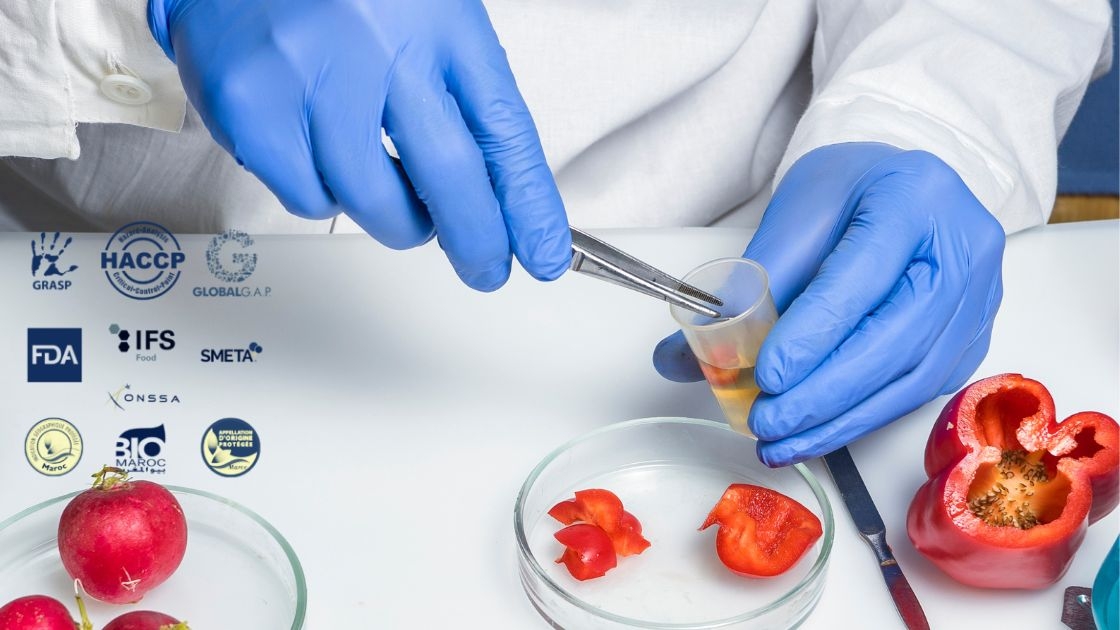
1. Introduction to microbiological standards in food
- Microbiological standards in food are established to ensure food safety, protect consumer health and limit the risk of disease outbreaks.
- These standards define the maximum limits of microorganisms in food, including bacteria, yeast, mold and other pathogenic microorganisms.
2. Common types of microorganisms in food
Microorganisms in food can be divided into three main groups:
- Pathogenic microorganisms: Salmonella, Listeria monocytogenes, Escherichia coli O157:H7, Staphylococcus aureus, Clostridium botulinum.
- Indicator microorganisms: total aerobic bacteria, Coliforms, Escherichia coli.
- Food-spoilage microorganisms: mold, yeast, Lactobacillus spp., Pseudomonas spp.
3. Food microbiological standards by regulation
- Codex Alimentarius: the international food standards commission
- FDA: the United States Food and Drug Administration
- EFSA: the European Food Safety Authority
- Vietnam's Ministry of Health and Ministry of Agriculture & Rural Development: QCVN — National technical regulations
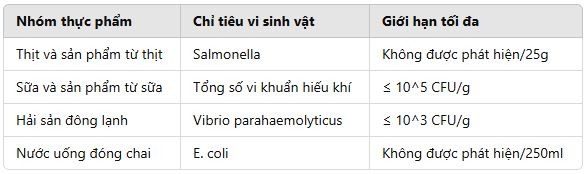
Examples of some microbiological standards for food in Vietnam:
4. Methods for testing microorganisms in food
Common methods for testing microorganisms in food include:
- The traditional culture method: uses culture media to determine the number and types of microorganisms in the food sample.
- The PCR method (Polymerase Chain Reaction): detects pathogenic microorganisms quickly and accurately by amplifying DNA.
- The ELISA method: uses antigen-antibody reactions to determine the presence of bacteria or their toxins.
- The rapid test-kit method: uses rapid test plates such as Compact Dry plates from Shimadzu to assess microorganisms quickly and effectively.
5. The importance of controlling microorganisms in food
Microbiological testing of food plays an important role in:
- Ensuring food safety and consumer health.
- Reducing the risk of food poisoning and foodborne disease.
- Complying with food safety laws and regulations.
- Raising the reputation and product quality of the business.
Microbiological standards in food are one of the important factors in ensuring food quality and protecting public health. Food manufacturers need to comply with the regulations on microorganism control and apply suitable testing methods to keep food safe before it reaches the market.