
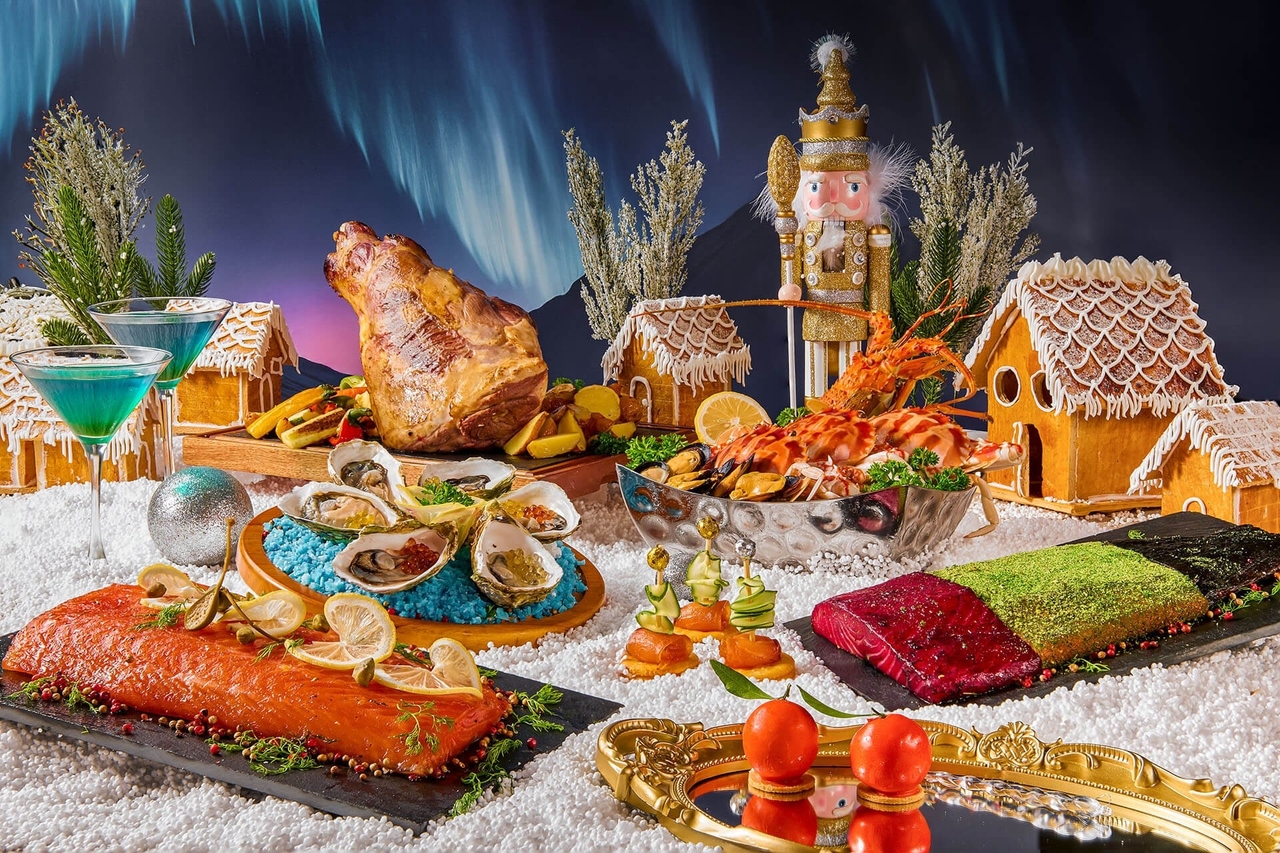
- The Christmas season is a time for celebration, and food plays a central part in bringing people together. From the festive dinner to sweet treats, the Christmas menu often includes a wide variety of ingredients, including some that pose significant health risks to people with allergies and sensitivities.
- In addition, preparing many large meals and handling leftovers can lead to microbial risks affecting food safety.
1. Common allergens in Christmas foods
Christmas meals and desserts often include ingredients that cause problems for people with food allergies. These are the top allergens to watch for:
1.1. Nuts (peanuts and tree nuts)
- Where they are found: nuts are a common ingredient in Christmas desserts such as cakes, cookies, and chocolate. Traditional fruitcake, roasted nuts, and mixed-nut platters are also holiday staples.
- The risk: nut allergy is one of the most common allergy types and can cause severe reactions, including anaphylaxis. Tree nuts include almonds, hazelnuts, walnuts, pecans, and cashews, while peanuts are a legume but are often grouped with tree nuts because of their similar allergenic properties.
1.2. Eggs
- Where eggs are found: eggs are in cakes, baked goods, custards, eggnog, and some holiday sauces.
- The risk: egg allergy can cause skin reactions, breathing problems, or digestive symptoms.
1.3. Milk and dairy products
- Where they are found: milk and dairy products are the main ingredients in butter, cream, cheese, chocolate, eggnog, and many other desserts.
- The risk: milk allergy, especially in children, can cause digestive, skin, and respiratory symptoms.
1.4. Wheat (gluten)
- Where it is found: holiday baked goods such as bread, cakes, cookies, and pies, and their fillings, usually contain wheat.
- The risk: for people with celiac disease or gluten intolerance, even a small amount of gluten can cause digestive problems, fatigue, and more serious health problems.
1.5. Soybeans
- Where they are found: soy is often hidden in processed foods, sauces, and some holiday vegetarian dishes.
- The risk: soy allergy can cause a range of symptoms, including indigestion and breathing difficulties.
1.6. Shellfish & Fish
- Where they are found: seafood dishes, including shrimp cocktails, seafood platters, and stews, are very popular at holiday parties.
- The risk: shellfish and fish allergy is very severe and can cause life-threatening reactions.
1.7. Sesame
- Where it is found: sesame is used in some breads, desserts, and holiday savory dishes, especially in Mediterranean and Middle Eastern cuisines.
- The risk: sesame allergy has become more common and can cause digestive and respiratory symptoms.
2. Microbial risks during the holiday season
- Alongside allergen concerns, microbial dangers rise during the holidays as the amount of food being prepared, stored, and consumed grows. These are the main microbial risks:
2.1. Salmonella
- Where it is found: raw or undercooked poultry, eggs, and improperly handled leftovers, such as turkey or eggnog, are common sources of Salmonella.
- The danger: Salmonella infection causes food poisoning, leading to stomach pain, fever, and dehydration.
2.2. Listeria monocytogenes
- Where it is found: Listeria is often present in ready-to-eat cold meats, soft cheeses, smoked fish, and pâté, popular foods at holiday gatherings.
- The danger: listeriosis can cause severe illness, especially in pregnant women, the elderly, and people with weakened immune systems.
2.3. Campylobacter
- Where it is found: Campylobacter is often present in undercooked poultry or through cross-contamination in the kitchen.
- The danger: it can cause food poisoning, leading to diarrhea, fever, and abdominal pain.
2.4. Clostridium perfringens
- Where it is found: this bacterium grows in large quantities of meat and poultry that are not stored or reheated correctly.
- The danger: it causes gastrointestinal illness with symptoms such as cramps and diarrhea.
2.5. Staphylococcus aureus
- Where it is found: foods that are handled frequently, such as cream desserts, salads, and cold meats, are easily contaminated by food handlers who do not wash their hands correctly.
- The danger: staphylococcal toxin causes food poisoning with symptoms of sudden vomiting and diarrhea.
2.6. Norovirus
- Where it is found: Norovirus spreads very easily and is commonly associated with raw oysters, leafy greens, and improperly handled fruit.
- The danger: it causes severe vomiting, diarrhea, and stomach pain, spreading quickly in public settings.
2.7. E. coli
- Where it is found: E. coli is found in undercooked beef and raw milk, but also in cookie dough or flour.
- The danger: some strains can cause severe gastrointestinal illness and, in rare cases, kidney damage, especially in young children.
Detection options and kits for assuring allergen and microbial safety
To minimize allergen and microbial contamination risks during the holiday season, food manufacturers, quality-control laboratories, and safety teams rely on reliable detection methods. Learn more about the tools of R-Biopharm and Shimadzu at the following links:
- Allergen detection solutions
- Making sure food products are free of common allergens such as nuts, gluten, and milk, and of harmful bacteria such as Salmonella and Listeria, not only meets regulatory standards but also gives consumers the confidence to enjoy their holiday meals without fear.
- Whether it is a family gathering around the Christmas dinner or a quiet evening with holiday treats, food safety measures combined with reliable detection technologies make sure everyone can celebrate in good health.