- Bacteria of the genus Listeria are found almost everywhere in nature. They are classified as "soil bacteria", and are common in sewage, soil and on plants. Therefore, unwashed fruit and vegetables are often contaminated.
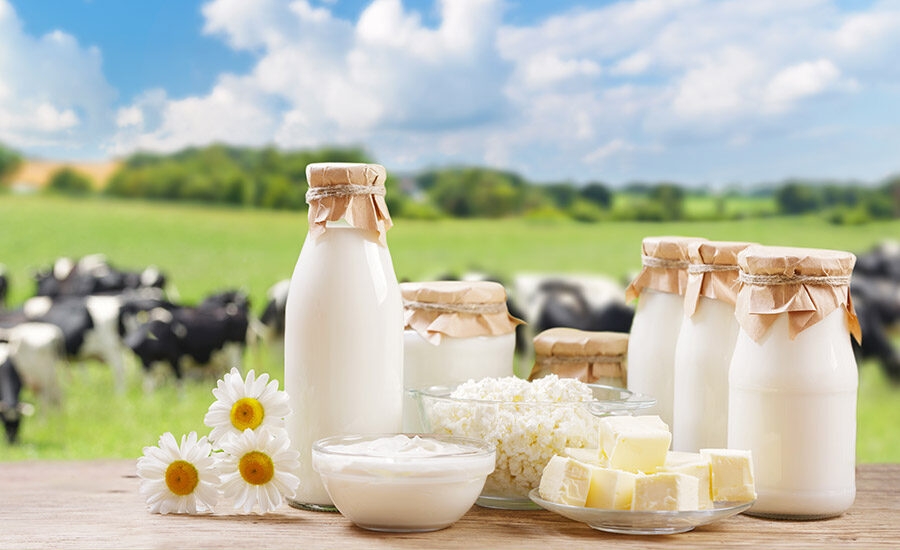
- However, food of animal origin can also contain Listeria through secondary contamination during processing. Raw milk and raw milk products, cheese, mayonnaise, raw sausages, raw minced meat, poultry, cold cuts and raw or smoked fish are particularly affected. It is important to note that Listeria can survive without oxygen and at cold temperatures - and can therefore grow even in vacuum packaging in the refrigerator.
How dangerous are Listeria bacteria?
- Listeria – mainly the species Listeria monocytogenes – can cause the disease listeriosis. In healthy people the infection is harmless and usually causes no symptoms. In newborns, elderly people and those with a weakened immune system, however, listeriosis can cause blood poisoning or dangerous meningitis – often fatal. The mortality rate is much higher than, for example, with salmonella infection. Moreover, Listeria infection in pregnant women can cause premature birth or miscarriage.
Is the number of Listeria infections increasing?
- On March 31, 2017, Italy reported the recall of smoked salmon due to Listeria bacteria. Three days later, Austria warned about Listeria bacteria in soft cheese. And just two days after that, Listeria was found in smoked ham from Denmark. The recalls seem to be increasing in number – and in fact the European Rapid Alert System for Food and Feed (RASFF) has published notifications about Listeria monocytogenes more frequently in recent years:

- Since the beginning of 2017, RASFF has published 26 notifications related to Listeria monocytogenes, 15 of which are alerts. The United States Food and Drug Administration FDA has also listed 15 recalls since the beginning of 2017. Similar to the number of recalls, the number of recorded listeriosis cases has increased since 2008, according to reports from the European Food Safety Authority (EFSA). In 2015, listeriosis affected around 2,200 people, causing 270 deaths – the highest number ever reported in the EU.
How can I protect myself?
To prevent contamination, strict adherence to general hygiene measures is essential. Specifically, this includes:
- Wash fruit and vegetables thoroughly. Wash knives and cutting boards thoroughly after preparing raw meat.
- Cook meat and fish thoroughly (at least 2 minutes at 70°C).
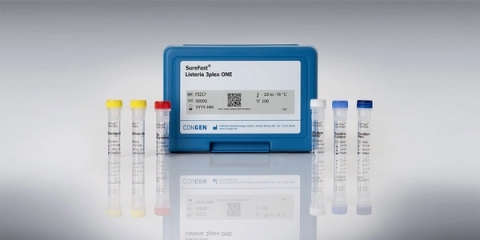
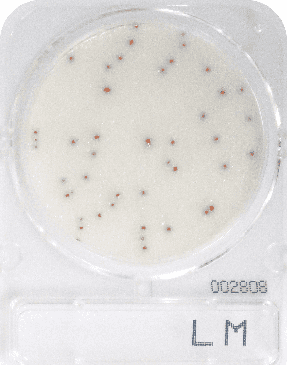
- Perform analyses to determine the total Listeria count to ensure hygiene in your facility. This includes the use of ELISA or PCR tests as well as culture plates.
Please contact us for more analytical methods and advice on products suitable for your needs!
Source: food.r-biopharm.com