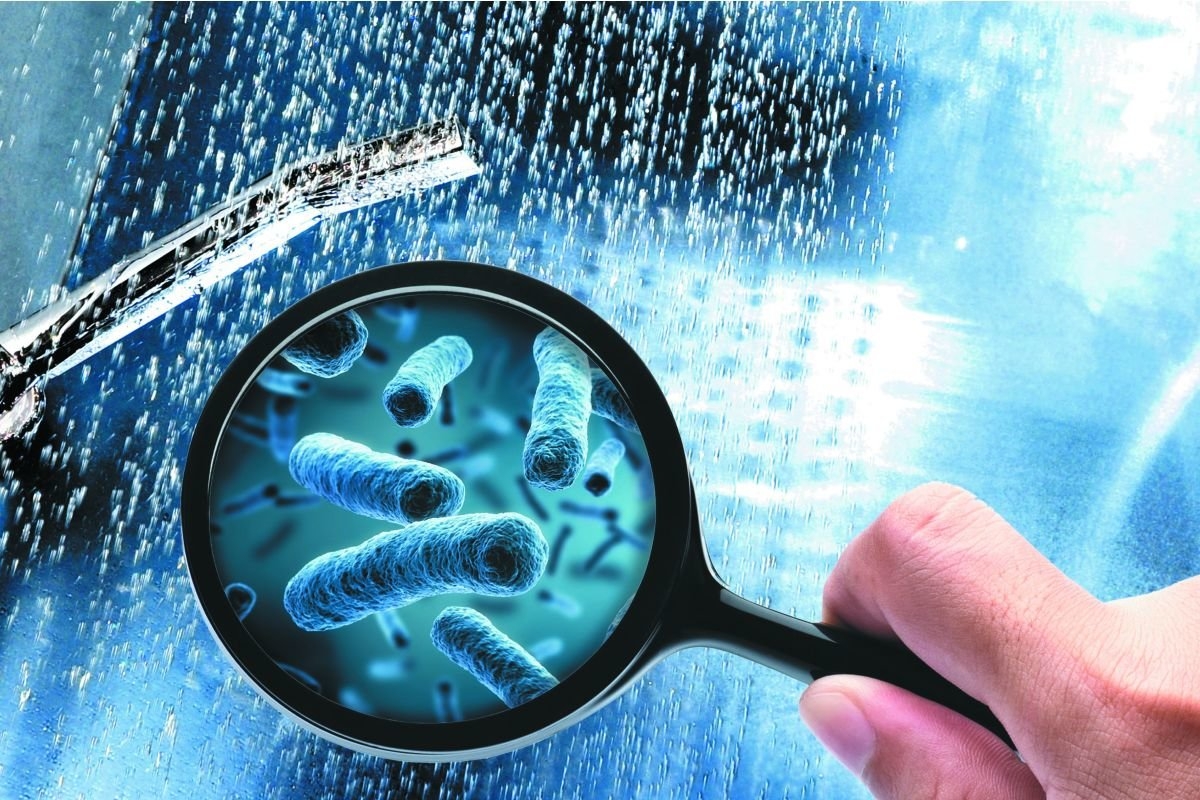
- Legionella in water is a health threat of growing concern in water systems, especially in hospitals, hotels, and large buildings.
- Legionella bacteria can multiply and spread through air-conditioning systems, showers, cooling towers, and decorative fountains.
- When droplets of water containing these bacteria are inhaled, people can develop legionnaires' disease (Legionella pneumonia) – a serious respiratory infection, even fatal if not detected and treated in time.
1. The origin and infection risk of Legionella in water
- Legionella is a rod-shaped, Gram-negative genus of bacteria that lives in water and is considered capable of causing disease in humans. The species Legionella that most often causes disease in humans is Legionella pneumophila – it causes Legionnaires' disease (legionellosis), a severe pneumonia that is often fatal if not detected and treated in time.
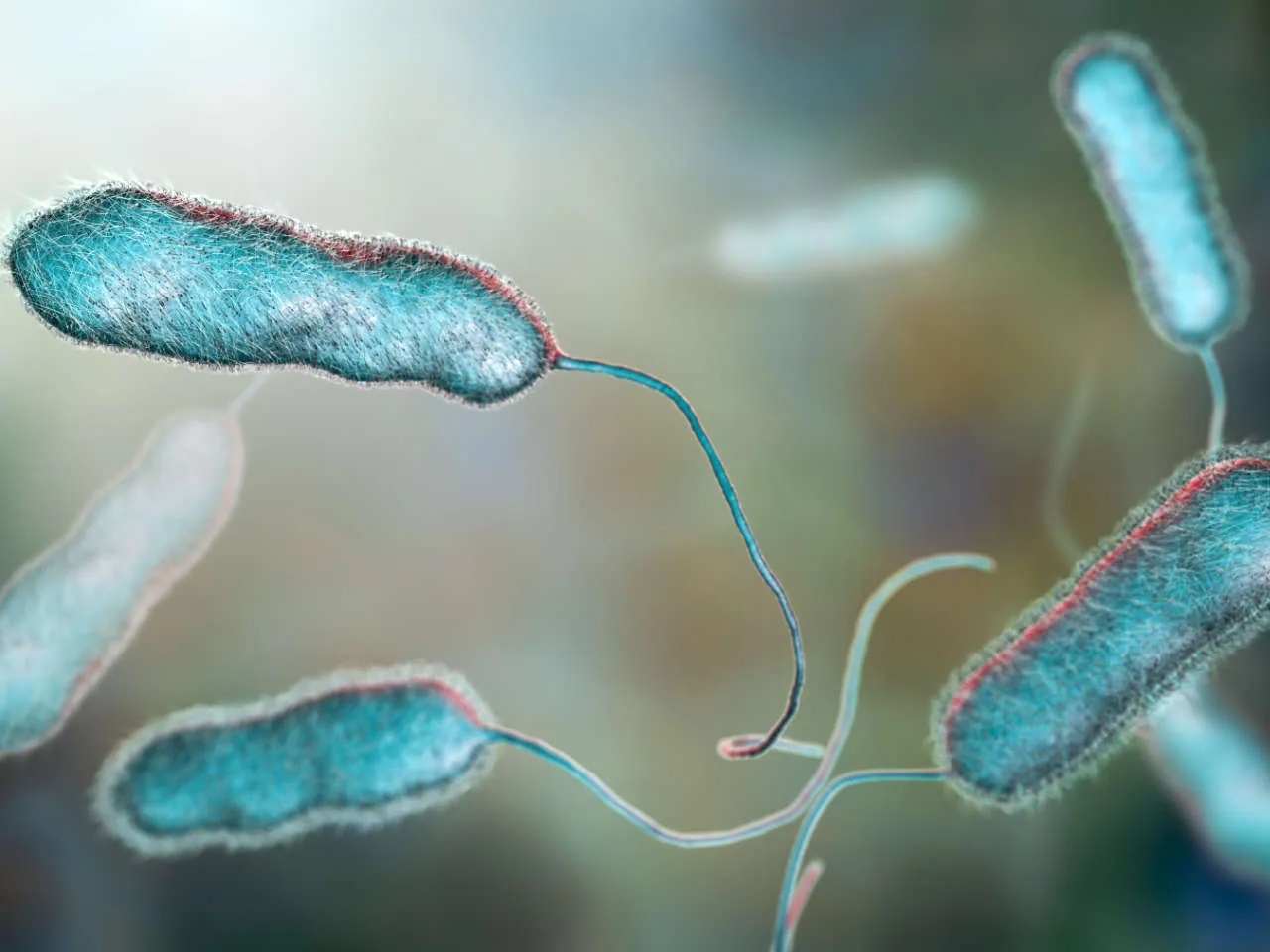
- The bacterium Legionella pneumophila is the most common disease-causing species among the more than 50 known Legionella species. This bacterium usually thrives in artificial warm water (25–45°C) – the ideal condition found in hot-water tanks, air-conditioning systems, and misting devices.
- When Legionella in water is dispersed as an aerosol, the bacteria can enter the lungs through the respiratory tract. The groups most at risk are the elderly, people with weak immune systems, and people with chronic lung disease.
2. Preventing Legionella in water
To control Legionella in water, several proactive preventive measures must be carried out, including:
- Designing and maintaining the water-supply system sensibly, limiting stagnant points and areas with little water flow.
- Cleaning, disinfecting, and checking the temperature regularly in storage tanks, heating and cooling systems.
- Monitoring the concentration of Legionella bacteria in the water regularly so that action can be taken promptly when abnormal signs are detected.
- The bacteria multiply especially well when water does not flow and when the temperature ranges from 25 to 50°C, so any warm, standing water system is a potential breeding ground for the Legionella bacteria.
- However, monitoring is only effective when using a testing method that is fast, sensitive, and accurate – among which Real-Time PCR is currently the advanced solution recommended in many international guidelines.
- What to do when contaminated with Legionella bacteria: In many countries, measures are required in the event of a colonization by Legionella. For example, residents may have to be notified and showering banned; restructuring measures or the installation of filters may be needed. Legionella can be killed, among other ways, by heat disinfection (heating the water to ≥ 70 °C throughout the system) or by chemical treatment of the water system.
- Is Legionella disease a mandatory reportable condition: In many countries, companies are obliged to carry out regular water analyses to detect the bacterium Legionella. Under the European Drinking Water Regulation (EU Directive 2020/2184), a limit value of 1000 colony-forming units (CFU) per litre of water applies to Legionella. If Legionella is detected in the water, it must be reported to the public health department.
3. Testing Legionella in water with the Real-Time PCR method
- Real-Time PCR technology detects the genetic material (DNA) of Legionella bacteria quickly, within just a few hours, without waiting days for a culture step.
- Today, the product lines for testing Legionella in water by Real-Time PCR that stand out on the market include:
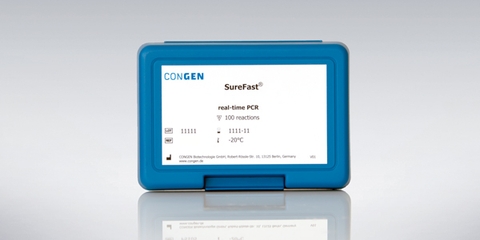
✅ SureFast® Legionella pneumophila PLUS
- Specific detection of the bacterium Legionella pneumophila: the species that causes the most disease in humans.
- Suitable for monitoring drinking water, domestic water, and industrial systems.
- Fast qualitative results within 2–4 hours.
✅ SureFast® Legionella Screen PLUS
- Overall detection of Legionella species (including pneumophila and the other species).
- Ideal for broad screening in high-risk environments such as hotels, hospitals, and cooling towers.
- Easy to use and can be integrated into internal control procedures.
Both kits use R-Biopharm's (Germany) proprietary Real-Time PCR technology, ensuring high sensitivity without interference from impurities in the water sample.
4. Conclusion
Legionella in water is a hazard that cannot be ignored. Controlling this bacterium tightly not only protects public health but also reduces the risk of disease outbreaks. SureFast® Legionella pneumophila PLUS and SureFast® Legionella Screen PLUS are powerful tools that help detect quickly, accurately, and in time, so you always stay in control of your water quality.
👉 Read the article Types of microorganisms in water and methods for microbiological testing of water