
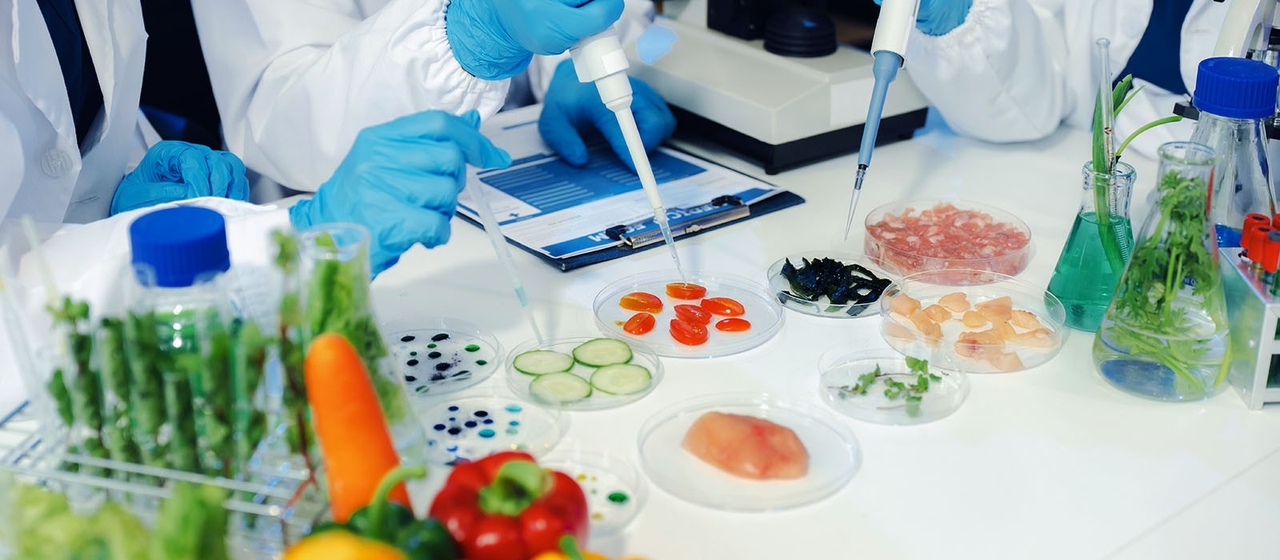
1. Protecting consumer health
- Pathogenic microorganisms such as Salmonella, E. coli O157:H7, Listeria monocytogenes or Campylobacter can cause serious illness and even death.
- Microbiological testing helps detect early latent pathogens in food, preventing the risk of illness to consumers.
2. Meeting legal regulations and food safety standards
- Countries usually apply strict regulations on microbiological control in food. Testing helps businesses comply with these standards and avoid legal issues.
- Meeting international standards such as ISO, HACCP, and BRC allows products to be exported to international markets.
3. Preventing food safety incidents and protecting brand reputation
- A food poisoning incident caused by pathogenic microorganisms not only affects customer health but also damages the reputation of the business.
- Regular microbiological testing helps detect and eliminate risks, minimizing the possibility of food safety incidents.
4. Supporting improvement of the production process
- Microbiological test results can provide useful information about risk points in the production line.
- Businesses can adjust the production process and improve hygiene and quality control more effectively.
5. Meeting consumer expectations
- Consumers are increasingly concerned about food quality and safety. Microbiological testing is a way for businesses to demonstrate their commitment to public health.
- Brands that publish their microbiological test results are usually trusted more by consumers.
6. Preventing food waste
- Microbiological testing helps determine the shelf life of food accurately, ensuring the product is safe throughout its time on the market.
- This not only protects consumers but also reduces food waste caused by unnecessary discarding.
7. Contributing to public health
- Reducing the risk of foodborne disease transmission helps reduce the medical burden and improve the quality of life of the people.
- A strong testing system also helps detect and control food-related disease outbreaks.
Testing for pathogenic microorganisms in food is not only mandatory but also the responsibility of food producers and traders in protecting public health. Investing in a modern testing system and quality control procedures is an essential step to build a safe and sustainable food industry.
Pathogenic microorganism testing in food is an important step to ensure food safety and public health. This examination helps detect the presence of microorganisms that can cause food poisoning or foodborne disease, while also assessing the level of microbiological contamination of the product.
1. Pathogenic microorganisms commonly tested
- Salmonella: causes food poisoning with symptoms of diarrhea, fever, and abdominal pain.
- Escherichia coli (E.coli) O157:H7: a strain of E. coli that causes severe diarrhea and can lead to haemolytic uraemic syndrome (HUS).
- Listeria monocytogenes: causes listeriosis, particularly dangerous for pregnant women, newborns, and immunocompromised people.
- Staphylococcus aureus: produces toxins in food, causing acute food poisoning.
- Clostridium botulinum: causes botulism, a serious condition affecting the nervous system.
- Campylobacter: associated with gastrointestinal diseases and Guillain-Barré syndrome.
2. Microbiological testing methods
* Traditional method (cultivation and isolation)
- Use specialized culture media to detect the target microorganisms.
- Advantages: high accuracy, identification capability.
- Disadvantages: long turnaround time (24-72 hours or more).
* Rapid methods
- PCR (Polymerase Chain Reaction): detects specific genes of pathogenic microorganisms.
- ELISA: uses antibodies to detect antigens of microorganisms.
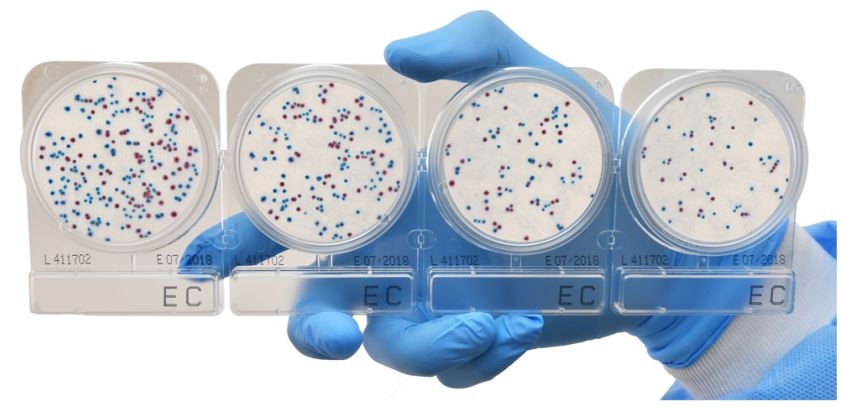
- Compact Dry plates: help detect and enumerate microorganisms in just 24-48 hours.
3. Basic testing procedure
- Sample collection: take food samples according to food safety standards.
- Sample preparation: homogenize, dilute and inoculate the sample onto suitable media.
- Incubation: cultivate at a suitable temperature and time depending on the type of microorganism.
- Isolation and identification: identify the pathogenic microorganisms through specific examination steps.
- Conclusion: compare the results with the permissible limits according to the regulations of the standard (such as ISO, HACCP, or national standards).