Among the company's outstanding products, immunoaffinity columns are considered a breakthrough tool, particularly useful in the analysis of mycotoxins, prohibited substances, and complex biological compounds.
1. Introduction to immunoaffinity columns
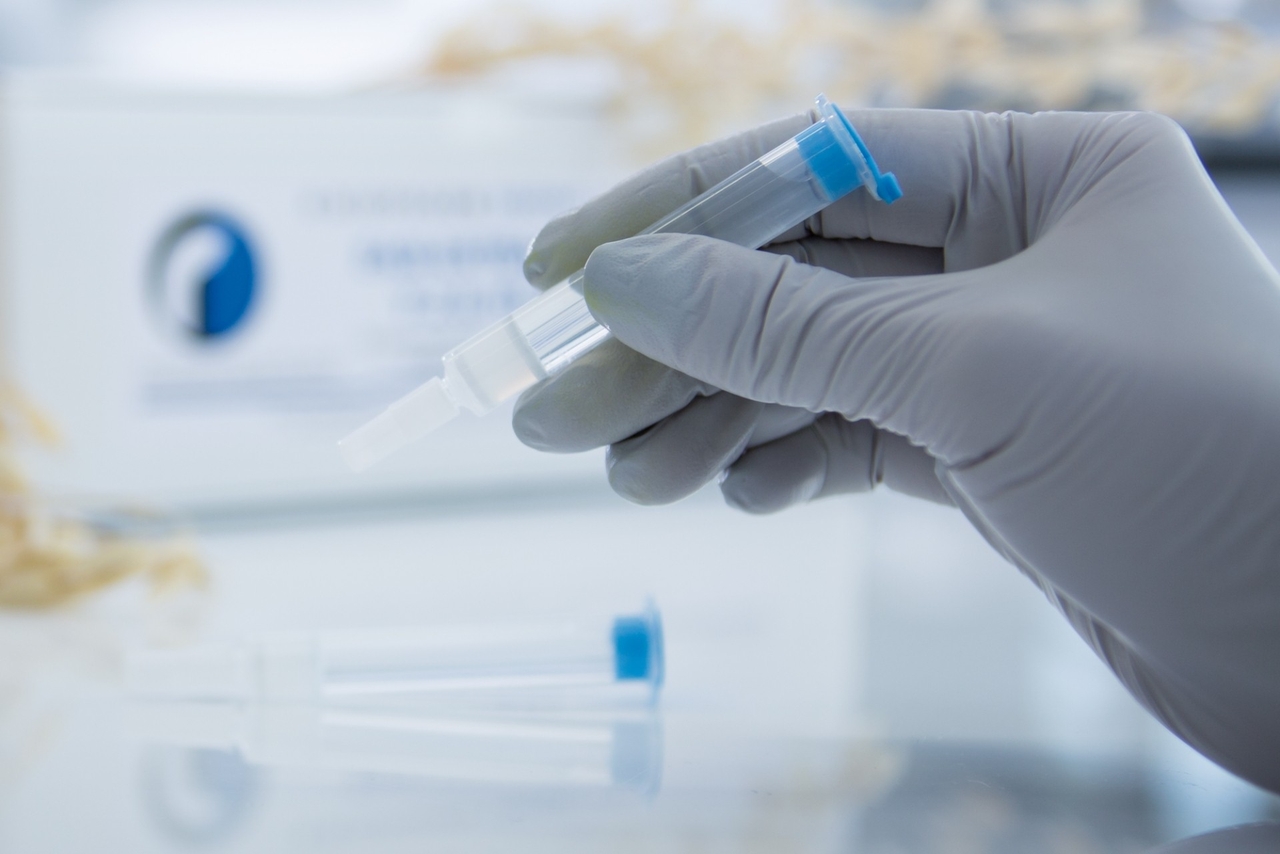
R-Biopharm immunoaffinity columns are designed on the principle of antigen - antibody interaction. Specific antibodies are immobilized on a solid phase, usually agarose gel or polymer, allowing selective binding to target molecules such as aflatoxin, ochratoxin, fumonisin, or other compounds.
1.1. Key features
- High specificity: The antibodies on the column bind only to the target compounds, helping to remove as much interference from the sample as possible.
- High recovery efficiency: Optimized to ensure analyte recovery of 90–100%.
- Compatible with many sample types: the column can be used with complex samples such as cereals, milk, wine, processed foods, and animal feed.
- Easy to use: Simple procedure, already integrated into many testing protocols.
1.2. Application in mycotoxin analysis
- Mycotoxins are one of the largest groups of hazardous substances in food and animal feed. R-Biopharm immunoaffinity columns are designed to analyze common mycotoxins such as:
- Aflatoxin (B1, B2, G1, G2): Used in the testing of cereals, oilseeds, and dairy products.
- Ochratoxin A: Commonly analyzed in wine, coffee, and cereals.
- Fumonisin: Mainly in corn and corn products.
- Zearalenone: Testing in animal feed and cereals.
- Deoxynivalenol (DON): Associated with cereals and processed foods.
1.3. Benefits of using immunoaffinity columns
- Meets international standards such as AOAC, ISO and EU Regulations.
- Reduces analytical errors thanks to high sensitivity and the ability to remove background interference.
- Saves time thanks to a rapid procedure, usually taking only 30-60 minutes.
2. Procedure
- The procedure for using R-Biopharm immunoaffinity columns usually includes the following main steps:
- Sample preparation: Treat the sample with a suitable solvent (usually methanol or acetonitrile). Filter through a membrane filter to remove the residue.
- Load the sample onto the column: pour the sample solution through the immunoaffinity column. The analytes will bind to the antibodies on the column.
- Wash the column: wash the column with buffer solution to remove unrelated substances.
- Release the analyte: use the release solution (usually methanol) to recover the analyte.
- Quantitative analysis: analyze the released substance by HPLC, LC-MS/MS, or ELISA.
3. Featured product lines
- R-Biopharm offers many types of immunoaffinity columns, optimized for each mycotoxin and specific application. Some featured product lines include:
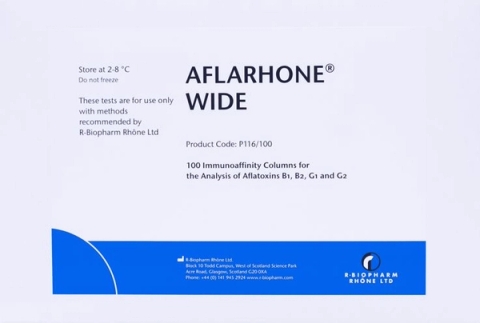
- Aflatoxin immunoaffinity column | AFLARHONE® WIDE
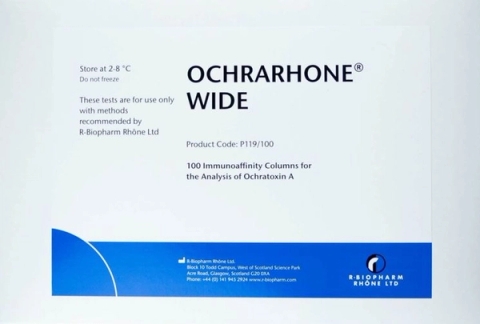
- Ochratoxin immunoaffinity column | OCHRARHONE® WIDE
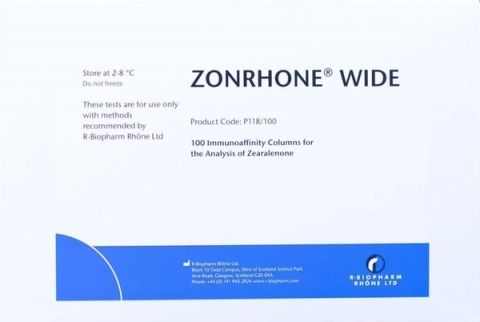
- Zearalenone immunoaffinity column | ZONRHONE® WIDE
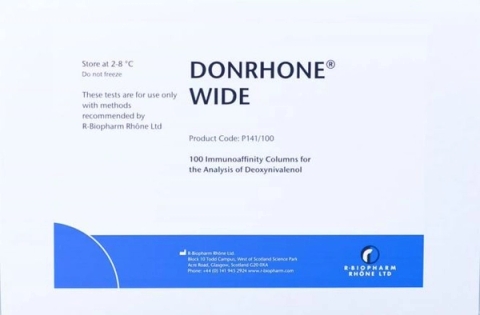
- DON immunoaffinity column | DONRHONE® WIDE
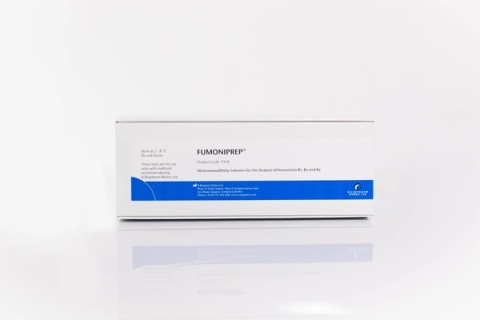
- Fumonisin immunoaffinity column | FUMONIPREP®
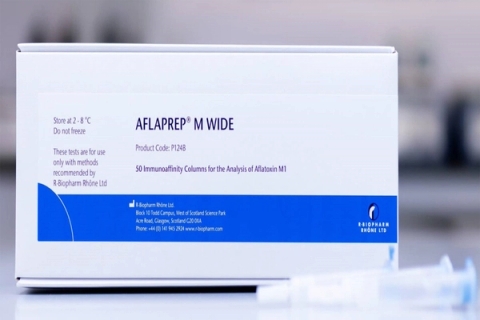
- Aflatoxin M1 immunoaffinity column | AFLAPREP® M WIDE
4. Advantages over other methods
Compared with traditional extraction methods, R-Biopharm immunoaffinity columns offer many outstanding advantages:
- Safety: Minimizes the use of hazardous solvents.
- High reliability: Stable and reproducible results.
- Cost reduction: Optimized procedure, fewer errors and shorter analysis time.
R-Biopharm immunoaffinity columns are an indispensable tool in the field of food analysis and food safety control. With high specificity, outstanding sensitivity, and flexible applicability, this product not only meets strict standards but also helps laboratories save time and resources.
If you are looking for an efficient and reliable solution for the analysis of mycotoxins or other biological compounds, R-Biopharm immunoaffinity columns are certainly the optimal choice.