- However, how can you tell whether the CIP process has cleaned effectively and reduced the risk of residues after cleaning?
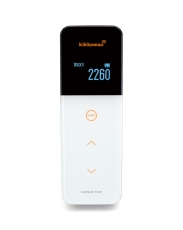
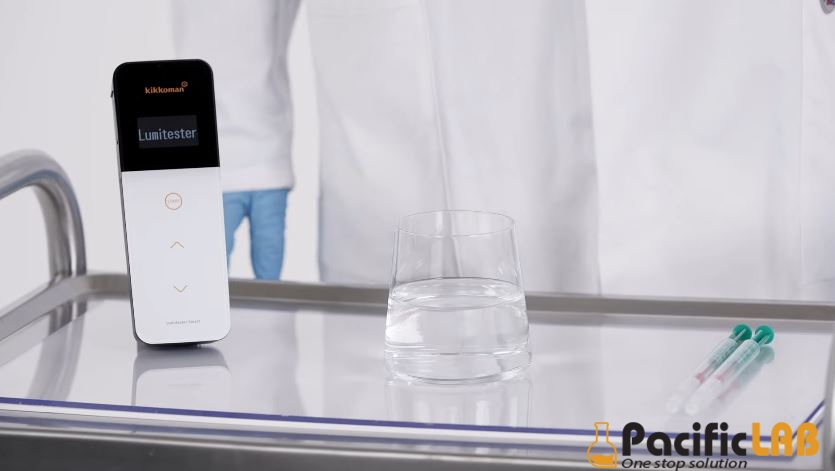
- ATP-based CIP testing is a solution for quickly assessing the cleanliness of surfaces and equipment after cleaning. With an ATP meter such as the Kikkoman Lumitester Smart and a compatible swab, businesses can quickly test key locations, monitor cleaning effectiveness and promptly detect points to improve in the CIP process.
1. What is CIP? Why test CIP cleaning effectiveness?
- CIP (Cleaning in Place) is a method of cleaning equipment and production systems in place by circulating water, cleaning solutions and rinsing steps according to an established process.
- The CIP method is widely applied in:
- Dairy plants: cleaning milk tanks, milk pipelines, pasteurizers and filling systems.
- Beverage plants: cleaning mixing tanks, pipelines, product storage tanks and bottling equipment.
- Breweries: cleaning fermentation tanks, beer storage tanks, pipelines and other equipment in the production line.
- Although a CIP system can run automatically, that does not mean every location inside the system has been cleaned to standard.
- Problems that can occur include:
- Milk, protein, fat or sugar residues remaining on surfaces.
- Organic buildup in hard-to-clean locations.
- Hygiene parameters such as temperature, time, chemical concentration or circulation flow not meeting requirements.
- Uneven cleaning effectiveness across equipment or between CIP cycles.
- That is why evaluating CIP cleaning effectiveness is a necessary step that helps the plant verify cleaning results, control risks and improve process stability.
2. The role of ATP in CIP testing
- ATP (Adenosine Triphosphate) is a molecule involved in cellular energy metabolism and can be present in biological materials.
- ATP testing uses a bioluminescence reaction to detect ATP in the sample. The emitted light intensity is recorded by the meter and expressed in RLU (Relative Light Units).
- In CIP testing, ATP results help businesses quickly assess biological residue levels on surfaces or at sampling points after cleaning.
- The main benefits of ATP CIP testing include:
- Fast results, allowing testing right after cleaning is completed.
- Early detection of locations with high ATP residues.
- Support for assessing consistency across CIP cycles.
- Helping identify areas that need re-cleaning or root-cause investigation.
- Supporting tracking data and process improvement.
- Note that ATP is not a specific test for pathogenic microorganisms. ATP results also cannot fully replace microbiological testing, chemical residue checks or other specialized assays.
3. How does the ATP Lumitester Smart test CIP cleaning effectiveness?
- Kikkoman Lumitester Smart is an ATP meter used for rapid cleanliness testing within hygiene monitoring programs in food and beverage plants.
- Combined with a compatible ATP swab, the device helps staff test the sampling points defined in the hygiene monitoring plan.
- The CIP ATP testing process can follow these steps:
Step 1: Identify the locations to test
- The plant should define representative locations and points at risk of high residues after CIP, such as:
- Inner tank surfaces at accessible and appropriate sampling positions.
- Pipelines, valves and connection points at risk of accumulation.
- Heat exchanger surfaces and related components.
- Filling heads, product-contact areas and other hygiene checkpoints.
- For closed pipework, choose an appropriate sampling method, such as sampling at a safe access point or sampling the final rinse water according to the validated process. Do not open a running system to take samples.
Step 2: Sample after CIP is complete
- The sampling time needs to be standardized so that results across tests are comparable.
- Staff take samples using a swab suitable for the sample type and test location, following the manufacturer's instructions.
- Note that cleaning chemical residues can affect the ATP reaction. Therefore, the sampling time and rinsing conditions must match the plant's validated process.
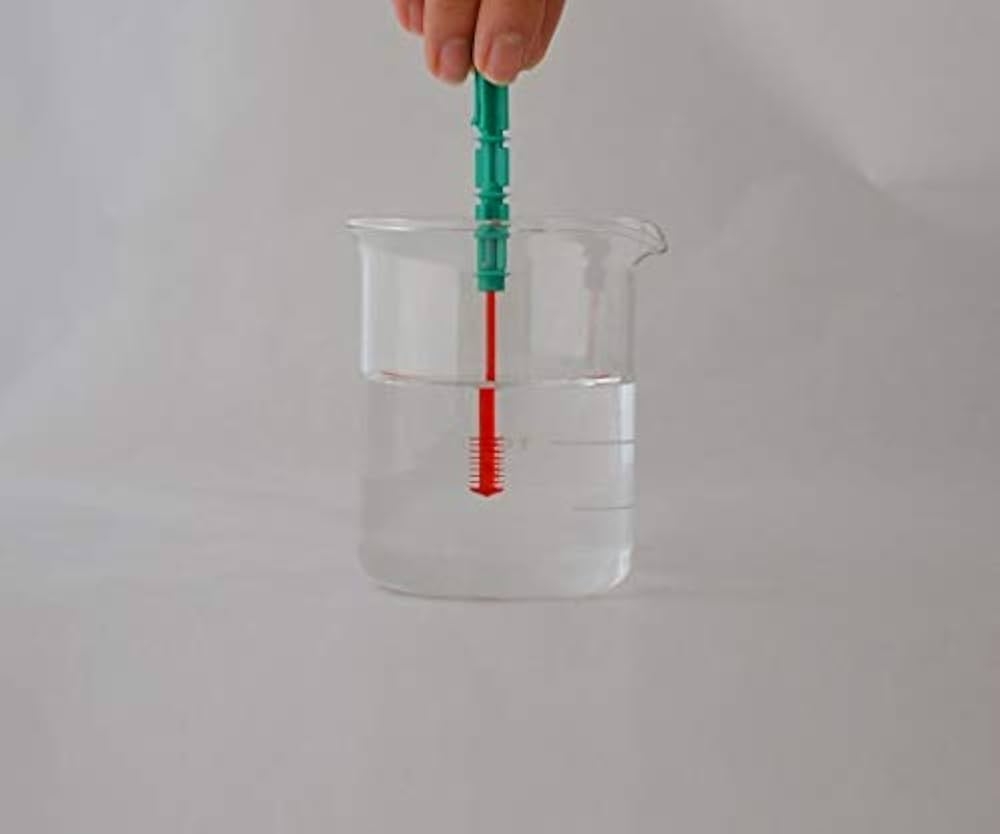
Step 3: Measure ATP with the Lumitester Smart
- After sampling, staff carry out the reaction according to the compatible ATP swab instructions, insert the swab into the Lumitester Smart and take the measurement.
- The device records the luminescence signal and displays the RLU result for evaluation.
- Actual handling time and time to result depend on the swab type, the sampling process and the device instructions.
Step 4: Evaluate the RLU results
- RLU results should be compared against acceptance limits established and validated by the plant for each type of equipment, sampling location and test condition. For example:

- Specific limit levels should be established based on real data and the plant's validation process. Do not use a single RLU threshold across all equipment, products or sampling methods.
Step 5: Record and track results
- Businesses should keep ATP results together with related information such as the sampling location, test time, equipment code, CIP cycle, operator and any corrective actions taken.
- Tracking data across cycles helps the plant recognize abnormal trends and identify locations that regularly fail.
4. ATP CIP applications in dairy, beverage and brewery plants
4.1. Dairy plants
- Dairy products can leave proteins, fats and other organic components on equipment surfaces. If the CIP process is not suitable, these residues can reduce cleaning effectiveness.
- ATP testing at appropriate locations helps quickly assess post-CIP hygiene and identify areas needing extra checks or cleaning.
4.2. Beverage plants
- In beverage production lines, sugar residues, ingredients and other organic compounds can remain in mixing tanks, pipelines or filling equipment.
- ATP helps sanitation staff monitor cleanliness at sampling points, supporting assessment of CIP process consistency.
4.3. Breweries
- Brewery systems usually include fermentation tanks, storage tanks, pipelines and many product-contact items.
- Post-CIP ATP testing can support hygiene monitoring at suitable locations, helping detect points with signs of biological residues early.
- However, ATP cannot on its own confirm the presence or absence of beer-spoilage microorganisms. The plant still needs suitable microbiological methods when assessing those risks.
5. Factors affecting the reliability of ATP-based CIP test results
- For ATP results to be valuable in a hygiene monitoring program, the plant needs to control several important factors.
- Sampling location: Locations must be clearly defined, representative and sampled consistently.
- Sampling time: Standardize the post-CIP sampling time and rinsing conditions to limit variation between measurements.
- Chemical effects: Residues of detergents or disinfectants can affect the ATP reaction. Compatibility and effects of chemicals must be evaluated under real conditions.
- Sample type: Surface swabs and rinse-water samples behave differently, so results should not be compared directly unless the sampling methods are standardized.
- RLU limits: The plant should set acceptance thresholds based on baseline data, risk assessment and method validation for each application.
- Staff training: Sampling, swab storage and device operation must follow the manufacturer's instructions to limit errors.
6. Why use the Lumitester Smart in a CIP effectiveness program?
Applying the ATP Lumitester Smart brings practical benefits to QA/QC teams, sanitation staff and production managers.
- Fast testing: Supports hygiene assessment without waiting for conventional microbiological results.
- Early problem detection: Helps identify locations with abnormal ATP results for timely checks and corrective action.
- Standardized hygiene monitoring: Supports building periodic test procedures and consistent acceptance criteria.
- Optimized cleaning operations: ATP data helps identify areas for improvement, supporting CIP process optimization.
- Quality management support: Results recorded by location and cycle create a basis for trend evaluation and continuous improvement.
Note: Data storage, data transfer or management system integration depends on the device configuration, the application and compatible software solutions.
7. Frequently asked questions about ATP CIP testing
Can ATP replace microbiological testing after CIP?
No. ATP provides a quick indicator of ATP-containing biological material in the sample, but it does not identify specific microorganisms or confirm the absence of pathogens. Businesses should combine suitable microbiological methods with their quality control goals.
Can the Lumitester Smart test closed CIP pipework?
Testing can be run at appropriate sampling points, but the sampling method must be validated. For closed systems, the plant can consider sampling the rinse water or using suitably designed access points. Rinse-water results are not fully equivalent to direct surface swabs.
How many RLU count as pass?
There is no single RLU threshold suitable for all dairy, beverage and brewery plants. Acceptance limits must be established based on the equipment, sampling location, test method and real validation data.
How soon after CIP should ATP be tested?
Testing frequency depends on the risk level, product type, production schedule, cleaning schedule and quality management system requirements. The plant can set a periodic testing plan and increase frequency at locations with abnormal results.
8. Where to buy a Kikkoman Lumitester Smart for CIP testing?
- If your business is looking for a solution for CIP testing, ATP CIP and CIP cleaning effectiveness assessment in a dairy, beverage or brewery plant, the Kikkoman Lumitester Smart is a device worth considering for a rapid hygiene monitoring program.
- When selecting a device, businesses should consider the sample type to test, compatible ATP swabs, sampling methods, the ability to set RLU criteria and the plant's data management needs.
- Contact PacificLAB for advice on the ATP Lumitester Smart, choosing suitable consumables and building a hygiene testing plan for your actual needs.
- Investing in a suitable ATP testing solution helps businesses improve hygiene monitoring, detect problems early and improve the CIP process systematically.
- See the ATP Lumitester Smart products we supply here.
PACIFICLAB CO., LTD
Office: No. 28 Street No. 20, Him Lam Residential Area, Tan Hung Ward, Ho Chi Minh City
Contact: Mr. Tien 0972 598 642 or email: xuantien@pacificlab.vn