

1. Understand your own or your relative's food allergy
- Identify the allergy triggers: common allergenic foods include milk, eggs, peanuts, seafood, soy, wheat and tree nuts.
- Recognize allergy symptoms: these include itching, rash, swelling, difficulty breathing, abdominal pain or anaphylactic shock.
2. Read the allergen labels on products carefully
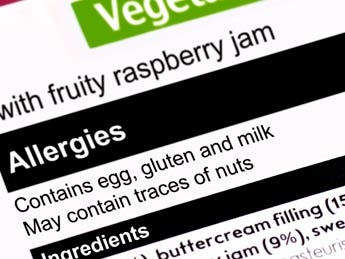
- Check the ingredient list: look for allergens stated clearly, such as "contains peanuts" or "may contain traces of milk."
- Pay attention to allergen warnings: warning labels such as "produced in a facility that processes soy products" need special attention.
- Recognize alternative terms: for example, whey protein is a milk ingredient, or lecithin may be derived from soy.
3. Look for products certified as safe
- Allergen-free products: some foods are certified to contain none of the common allergens.
- Certification labels: look for labels such as "Gluten-Free" or "Nut-Free" to make sure the product is suitable.
4. Choose reputable brands
- Brands with clear allergen control policies are usually more trustworthy.
- Look for information on the brand's website about production and allergen testing processes.
5. Shop at specialized stores
- Organic or specialty food stores often have more choices for people with allergies.
- Ask store staff about suitable products.
6. Be cautious with ready-to-eat food
Processed foods have a higher risk of cross-contamination. If unsure, choose fresh food and cook it yourself.
7. Ask for information at restaurants
- If eating out, clearly tell the restaurant staff about your allergy.
- Ask for details about how the dish is prepared and review the ingredient list.
8. Test new products gradually
- When trying a new product, take a small amount first to check your reaction.
- Do the trial in a safe environment, with allergy medication on hand if needed.
9 . Notes when traveling
- Bring safe foods, especially if you are traveling somewhere with a different language and food culture.
- Learn to express your allergy in the local language or carry an allergy information card.
10. Always be prepared for an emergency
- Carry allergy medication or an EpiPen if needed.
- Tell friends, family or colleagues about your allergy condition so they can help when necessary.
Being careful and proactive in choosing food will help you and your loved ones avoid the risks of allergy, ensuring health and safety at every meal.