
How Molds and Yeasts Differ
There are about 400000 molds different from each other. In contrast, only about 1500 yeast species are known. Looking at damage in food, do you think it is "fermenting" or "molding"? The following differences will give you a clearer view of these 2 types of microorganisms.
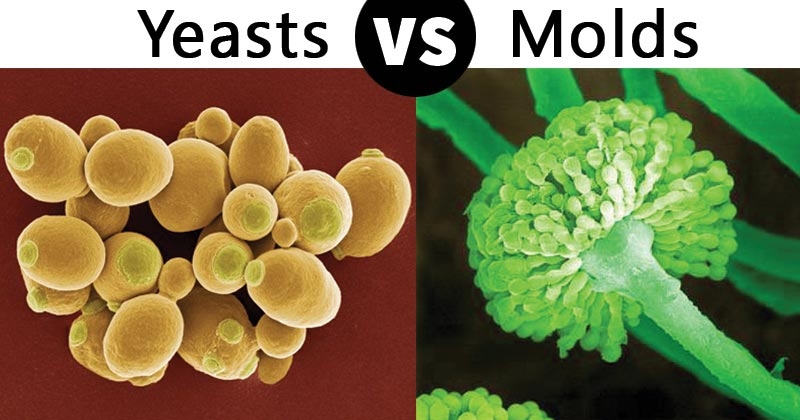
Yeasts | Molds |
|---|---|
Yeasts are unicellular fungi, usually spherical or oval in shape. | Molds are fungi that grow in the form of multicellular filaments, also called hyphae. These tubular hyphal branches have many nuclei that are genetically identical to each other, but form a single unified body. |
Yeasts are very common. They can be found in many places such as on fruits, berries, and even on the skin or in the stomach of mammals... | Molds are usually found in damp, dark areas. |
Yeasts are not spore fungi | Molds are spore fungi. |
Colonies of yeasts are soft, opaque white and creamy in color | Colonies of molds are filamentous, tubular |
Yeasts usually develop within 24 to 36 hours after being inoculated onto the medium | Molds usually develop more slowly than yeasts after being inoculated onto the medium. |
Yeasts can grow under both aerobic and anaerobic conditions. | Molds only grow under aerobic conditions. |
Yeasts have limited growth in the pH range from 4,0 to 4,5. | Molds can grow over a wider acidity (pH) range than yeasts. |
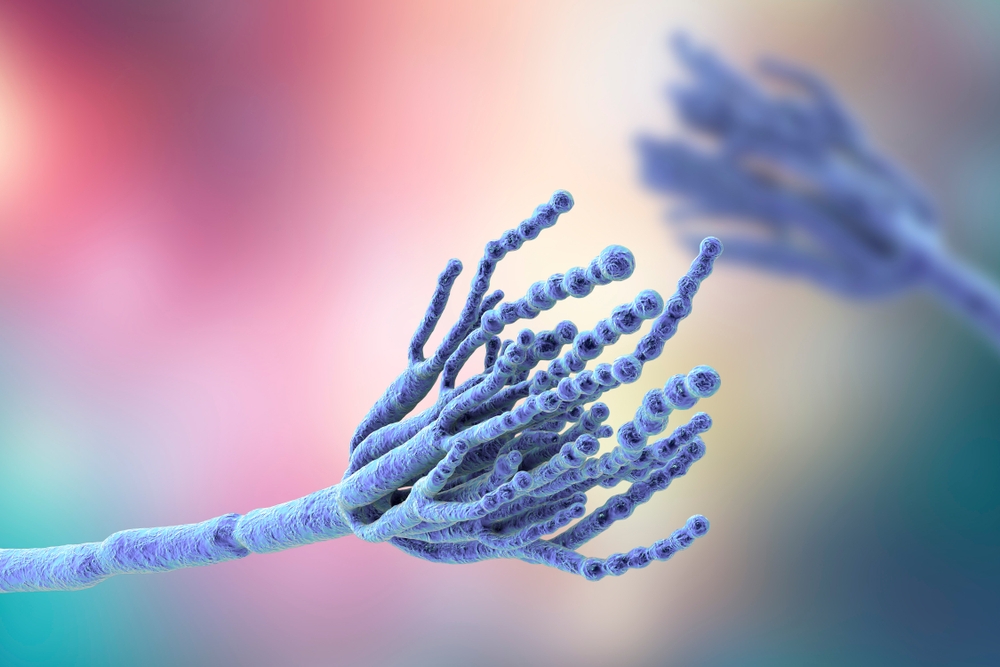
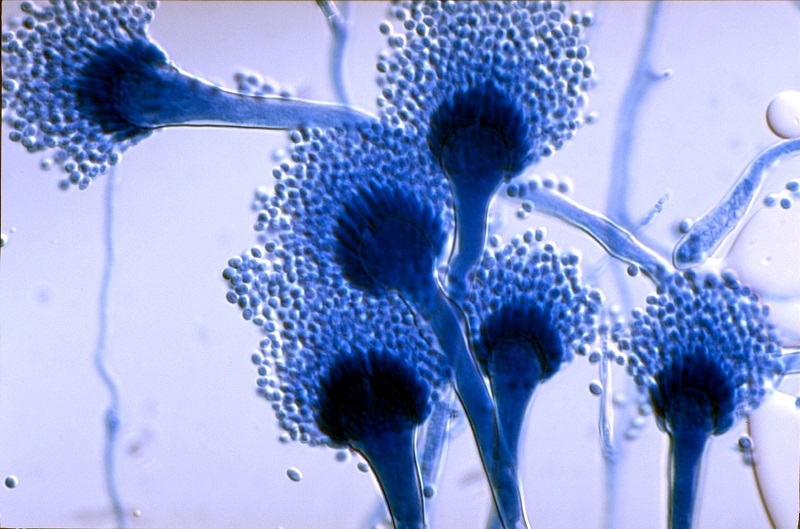
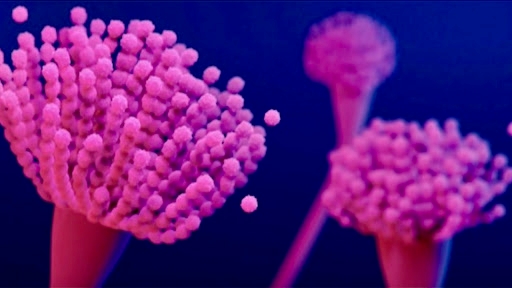
Yeasts are usually white, opaque white or pale. | Molds come in a wide range of colors and can be orange, green, black, brown, pink or purple. |
Identification based on physiological tests and a few main morphological differences. | Most mold species can be identified and distinguished by examining with a microscope the morphology of their asexual spores. |
Mostly reproduce asexually by mitosis (budding). | Reproduce through spores, which can be sexual or asexual. |
They can cause infection in people with a weakened immune system. | They can cause allergic reactions and respiratory problems. |
Convert carbohydrates into alcohol and carbon dioxide under anaerobic conditions through fermentation. | Secrete hydrolytic enzymes that break down carbohydrates such as starch, cellulose and lignin into simpler substances that can be absorbed |
References https://sciencing.com/characteristics-salmonella-bacteria-5527822.html
Molds come in more colors and look more eye-catching than you think, right?
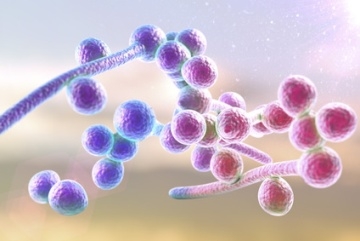
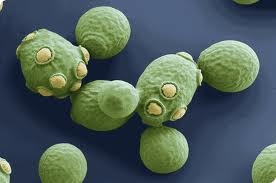
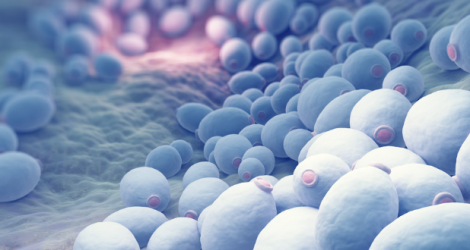
Yeasts are pale and mainly spherical or oval:
The role and harmful effects of yeasts
The yeast species most widely used by humans is Saccharomyces cerevisiae. Fermenting under anaerobic conditions it produces ethanol and carbon dioxide gas, so it is used to produce wine, bread and beer.
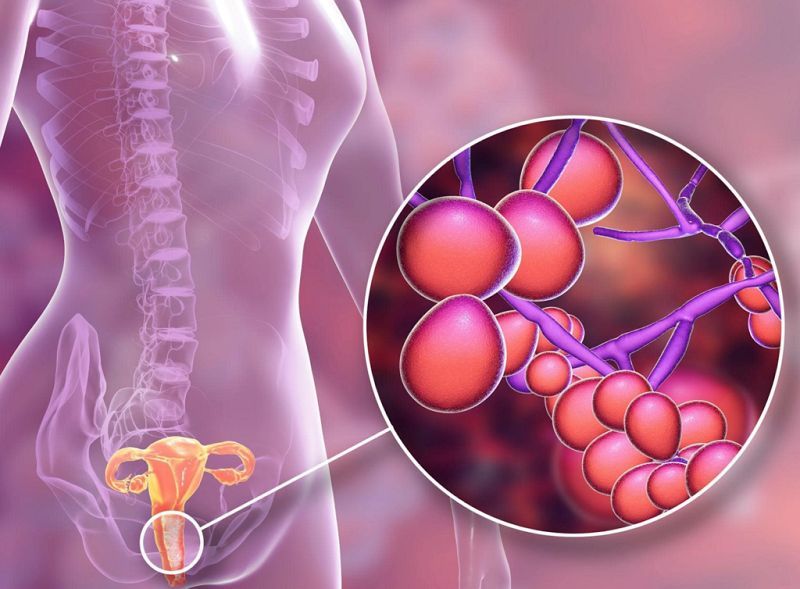
A few yeast species, such as Candida albicans, can cause vaginal yeast infection in humans (candidiasis). (Illustration image)
The role and harmful effects of molds
Benefits of molds
Molds play an important role in synthesizing useful antibiotics such as penicillin, griseofulvin..., organic acids (oxalic, citric, gluconic...), some vitamins (B group, riboflavin), growth stimulants (gibberellin, auxin, cytokinin), along with some enzymes and other substances used in the food and pharmaceutical industries .... In addition, fungi also play an important role in decomposing organic matter, returning fertility to the soil. (According to the Mycology textbook - Nguyễn Văn Thành, Cao Ngọc Diệp, Nguyễn Văn Bá).
About the harmful effects of molds
- - Some species belonging to the genera Rhizopus, Mucor cause disease in humans.
- - Microsporum causes disease in dogs: In dogs, 70% of roundworm infection cases are caused by the fungus microsporum canis and 20% are caused by the fungus microsporum gypseum.
- - Aspergillus fumigatus causes avian aspergillosis in birds;
- - Saprolegnia and Achlya cause parasitic fungal disease in fish.
- - Common plant pathogenic fungi include Phytophthora, Fusarium, Cercospora.... Especially the fungus Aspergilus flavus and Aspergillus fumigatus on cereals under favorable conditions produce aflatoxin toxins.
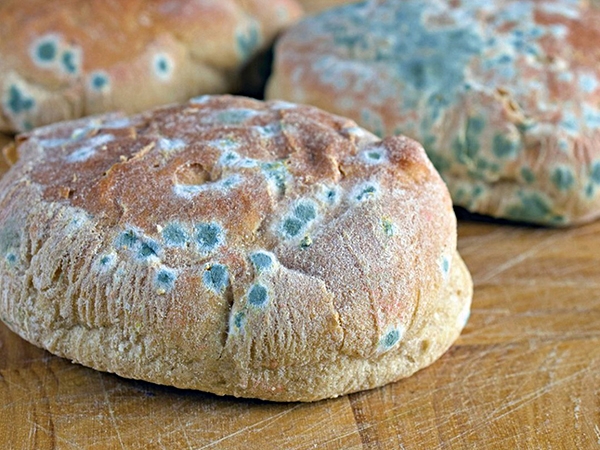
Mold toxins (mycotoxin) including aflatoxin: these are toxic substances produced by many fungi and molds. Food contaminated with mold toxins can be due to the raw materials, contaminated at the place of production or during storage. When molds encounter favorable temperature and humidity, they multiply and can produce mycotoxin.
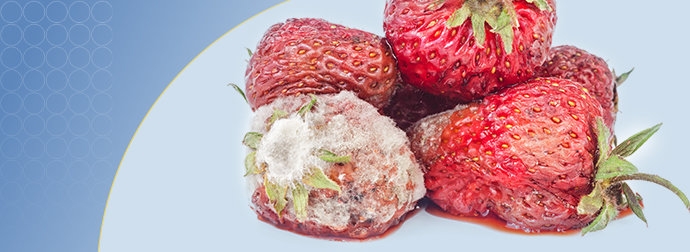
Cereals are most affected by molds . Next, fruits also contain mold toxins. The presence of mold toxins in food and animal feed can affect human and animal health. These substances can cause many adverse effects on health. For example, they cause cancer and cause mutations. Mold toxins can also cause physiological disorders, digestive disorders and affect kidney function.
Read more about the harmful effects of molds and mold toxins in the article about the rapid testing method for mold toxins in cereals of PacificLAB here